Your cart is currently empty!
+86 15863276370

How to Choose the Right Poultry Farming System and Equipment
Selecting the right farming method and equipment starts with evaluating your farm scale, climate conditions, and target market.
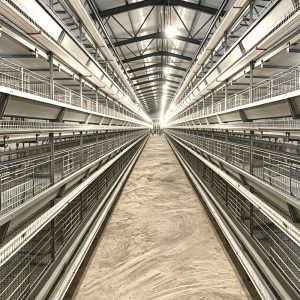
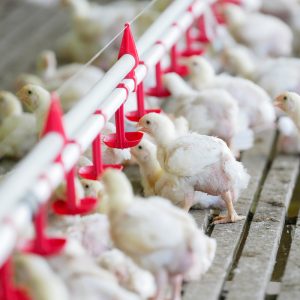
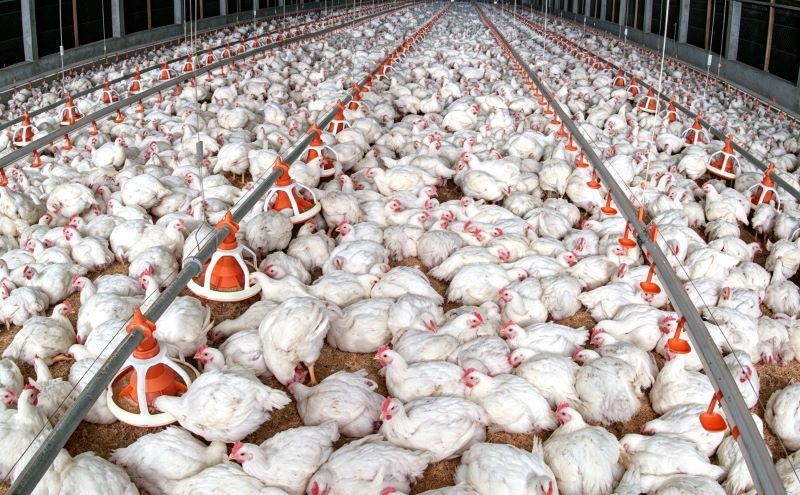
Floor rearing is suitable for welfare-focused farms, offering lower initial investment, easier all-in/all-out sanitation management, and relatively simple litter handling. Cage systems maximize stocking density but face increasingly strict regulatory restrictions in many regions. Free-range systems are ideal for premium markets but require more land and biosecurity investment.
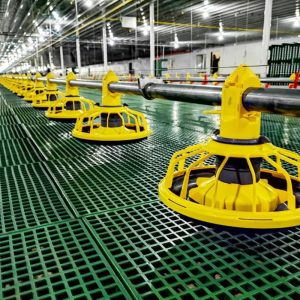
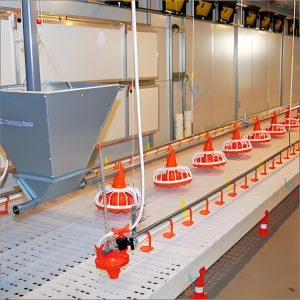
When selecting equipment, prioritize automation. Pan feeders and nipple drinkers reduce feed and water waste. Tunnel ventilation combined with evaporative cooling pads is essential in hot climates to effectively prevent heat stress. Choose easy-to-clean materials to ensure biosecurity, and opt for energy-efficient components such as variable-frequency fans to achieve long-term cost savings.
Focus on return on investment rather than just purchase price. Automated equipment typically pays for itself within 12 to 24 months through reduced mortality, lower feed waste, and improved growth performance.
For new farms, it is recommended to start with one or two houses as a pilot to test equipment reliability before scaling up. Contact us for more professional advice.


Share this:
Other Posts
-
Global Broiler Equipment Market to Reach $6.87 Billion by 2035
The global broiler farming equipment market is expanding steadily. Valued at $4.18 billion in 2025, it is projected to grow to $6.87 billion by 2035, driven by rising poultry consumption and farm automation. Key growth factors include labor shortages in developed regions, stricter animal welfare regulations favoring floor rearing systems, and climate‑resilient technologies such as…
-
How does precision feeding in automated poultry farming systems save money?
Manual feeding in broiler houses often leads to uneven feed distribution and significant waste—up to 10% of total feed. Automated feeding systems solve this with precision. Using sensors and timers, they deliver exact portions based on bird age and weight, ensuring consistent intake across the flock. This accuracy reduces feed waste by 5–10%, directly cutting…
-
Poultry House Cooling Sequence During Extreme Heat: When to Start Tunnel Fans and Evaporative Cooling Pads
Extreme heat requires a coordinated cooling strategy in poultry houses. A staged approach generally begins with increased tunnel ventilation to remove accumulated heat and improve air movement. Evaporative cooling pads can then be introduced when ventilation alone is insufficient, provided that humidity and airflow conditions are suitable. During severe heat, fans and cooling pads can…
-
What’s the Payback Gap? An Empirical ROI Comparison of Semi‑Automated vs. Fully Automated Floor Rearing Equipment
This study compares payback periods for semi‑automated (auto feeders only) and fully automated (feeders + ventilation + manure removal) floor rearing systems in a 10,000‑bird house. Semi‑automated equipment costs $8,000–$10,000, saving 70% of feeding labor and 5% of feed waste. Fully automated systems cost $25,000–$30,000 but eliminate 90% of labor and reduce feed waste by…
Product Categories
Subscribe To Product News
Leave your email address and receive our latest product updates