Your cart is currently empty!
+86 15863276370

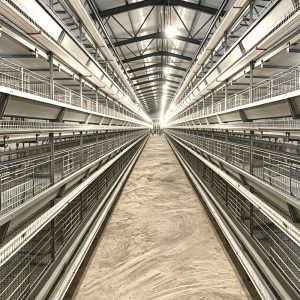
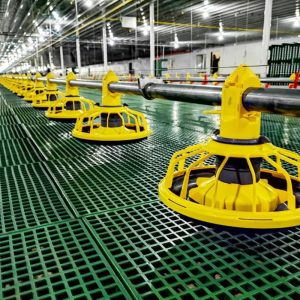
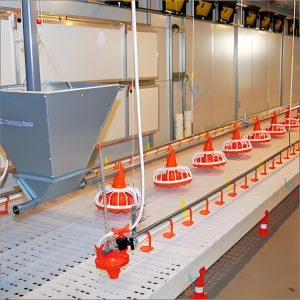
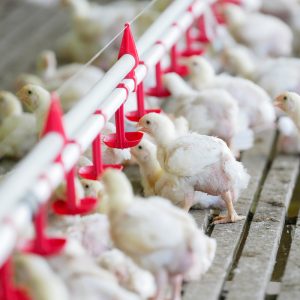
The EU will ban conventional cages for laying hens and broilers by 2027. This regulation forces farms to switch to cage‑free systems, primarily floor rearing and aviaries. Consequently, demand for floor rearing equipment—feeders, drinkers, litter management, and ventilation—has surged.
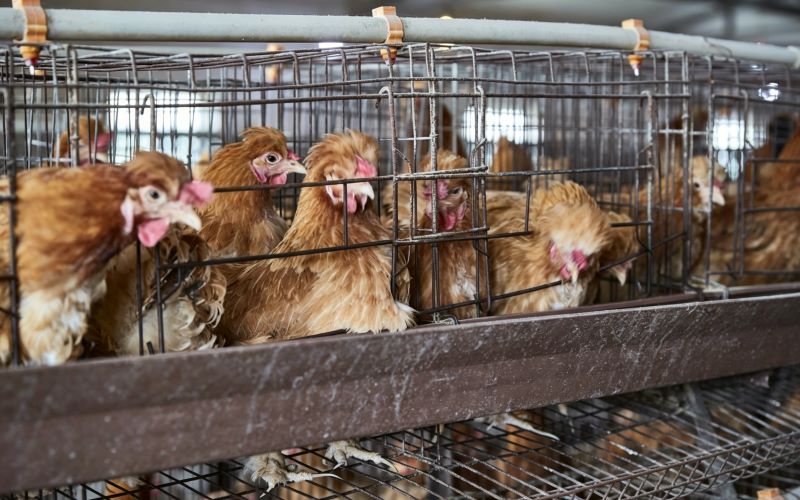
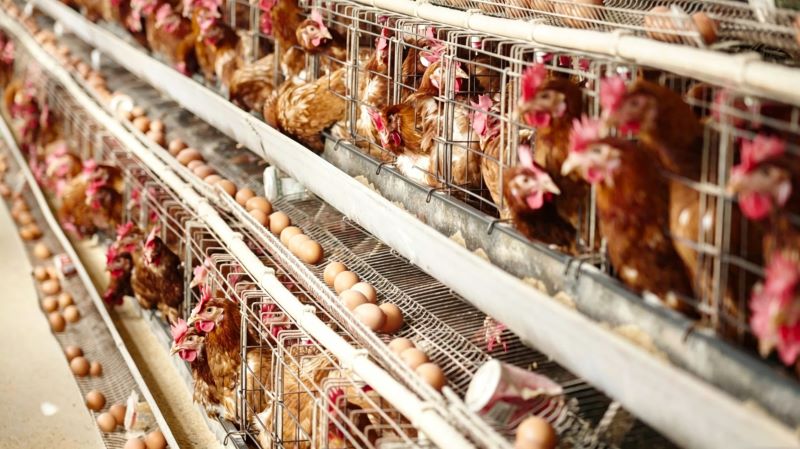
Market analysts estimate that the transition affects over 300 million hens in Europe alone. Replacement cycle typically spans 3–5 years, meaning peak equipment sales will occur between 2025 and 2028. However, policy spillover to other regions extends the boom. In the US, several states (e.g., California, Michigan) have passed similar cage‑free laws, while large food retailers globally commit to cage‑free supply chains.
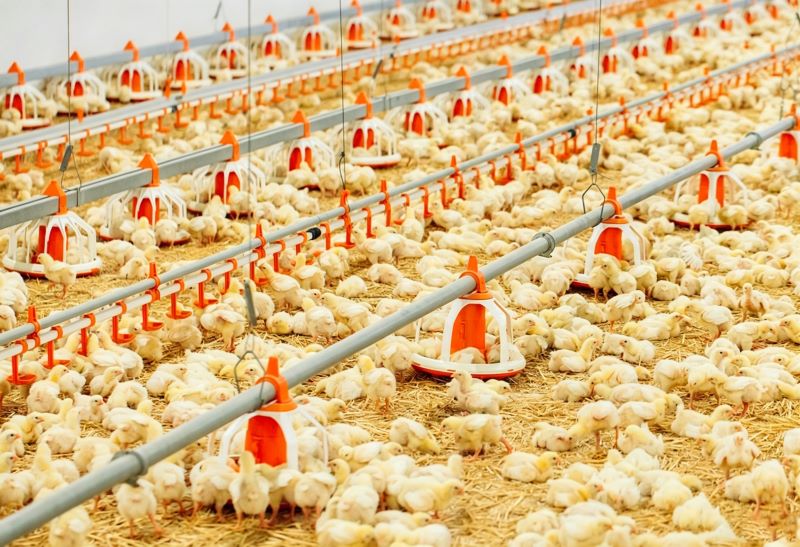
Thus, the “policy dividend” for floor rearing equipment will likely continue beyond 2030, driven by lagging adopters, retrofit demand, and emerging markets following Europe’s lead. Suppliers should prepare for sustained growth, not a short‑term spike.
Share this:
Other Posts
-
A New Era of Human‑Machine Collaboration: Challenges and Solutions for Deploying AI Decision Systems in Floor‑Rearing Farms
Deploying AI decision systems in floor‑rearing farms promises improved efficiency but faces practical hurdles. Three major challenges emerge: data infrastructure gaps, worker acceptance, and system maintenance cost. Many farms lack reliable sensors or stable internet, leading to incomplete data. Workers, accustomed to manual observation, often distrust AI recommendations. Solutions include phased deployment starting with basic…
-
Indonesia, Vietnam, the Philippines: Opportunities and Entry Strategies for Floor Rearing Equipment in Southeast Asia’s Three Key Markets
Southeast Asia’s poultry sector is shifting from backyard farming to commercial production, creating strong demand for floor rearing equipment. Indonesia, Vietnam, and the Philippines represent the region’s most promising markets. Indonesia has the largest broiler population but faces fragmentation. Success requires affordable semi‑automated systems and local after‑sales support. Vietnam’s market is more structured, with growing…
-
Mold Prevention in Poultry Feeding: How Feed Quality Management Can Reduce Health Risks and Operating Costs
Feed quality is closely related to poultry health and farm management costs. Poor storage conditions can increase moisture and mold risk, potentially affecting feed quality and flock performance. A preventive feeding strategy can help reduce avoidable losses, although the actual economic impact depends on farm conditions and disease management.
-
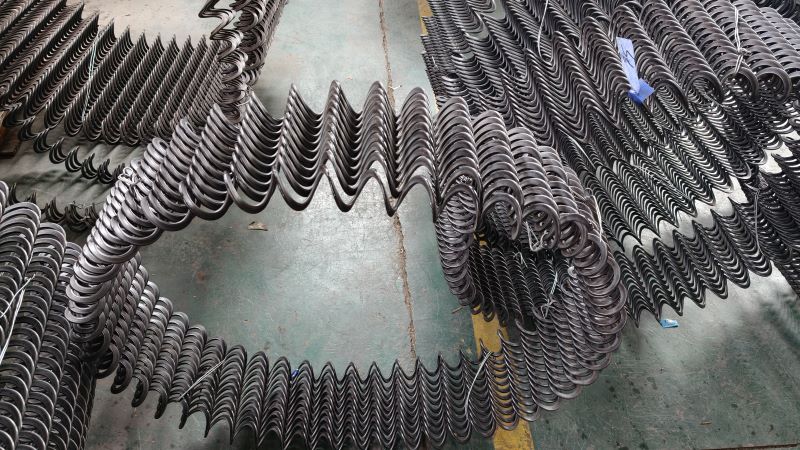
Poultry Feed Auger Diameter: 45mm vs 60mm vs 75mm – How to Choose
Feed augers (screw conveyors) are the core of automated feeding systems, moving feed from silos to feeder lines. The three most common diameters for poultry are 45mm, 60mm, and 75mm. Correct selection impacts delivery efficiency and system longevity. 45mm Auger – Small Farms or Main Feed LineDelivers 250–500 kg/h. Suitable for farms under 5,000 birds,…
Product Categories
Subscribe To Product News
Leave your email address and receive our latest product updates