Your cart is currently empty!
+86 15863276370

Feed efficiency is a critical factor in modern poultry production, directly influencing profitability and sustainability. However, three major sources of feed loss—spillage, spoilage, and feed refusal—are often underestimated. Quantifying these losses helps farmers improve management strategies and reduce operational costs.
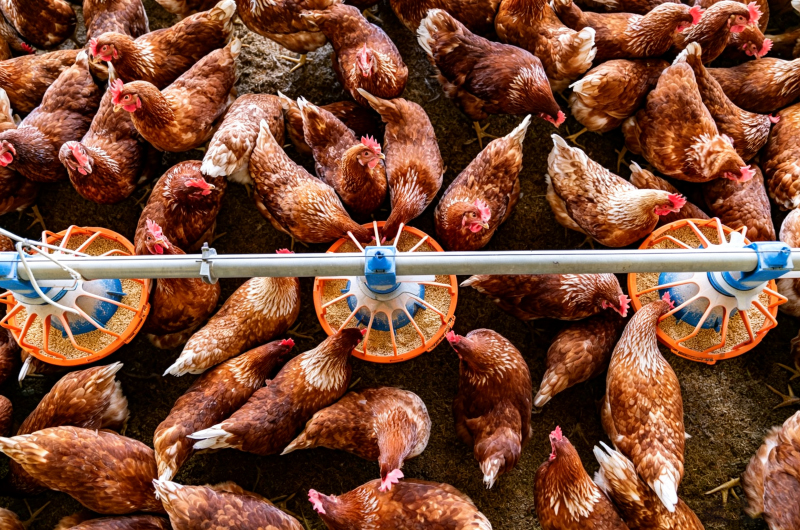
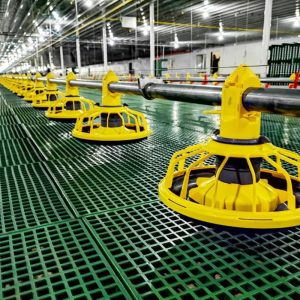
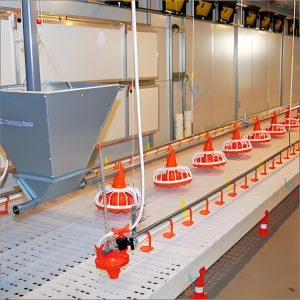
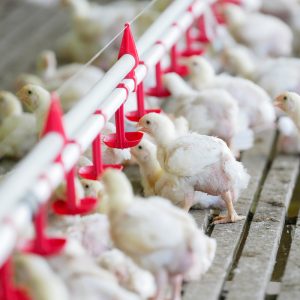
Spillage occurs when feed is wasted due to improper feeder design or bird behavior. Studies indicate that poorly adjusted feeders can lead to losses of up to 5–10%. Optimizing feeder height, controlling feed flow, and using well-designed poultry equipment can significantly reduce this issue.
Spoilage is another important factor, often caused by moisture, microbial contamination, or prolonged storage. Mold growth and nutrient degradation not only reduce feed quality but may also pose health risks to poultry. Research shows that improper storage conditions can result in 3–8% feed loss. Implementing dry storage systems and regular feed turnover is essential for maintaining feed integrity.
Feed refusal refers to the portion of feed not consumed by birds due to poor palatability, imbalanced nutrition, or environmental stress. This loss can range from 2–6% depending on diet formulation and farm conditions. Ensuring balanced nutrition, maintaining proper temperature, and reducing stress factors can improve feed intake efficiency.
By systematically analyzing these three loss sources, poultry producers can achieve better feed conversion ratios and enhance farm performance. Investing in high-quality poultry feeding equipment and adopting scientific management practices are key steps toward minimizing feed waste and maximizing productivity.
Share this:
Other Posts
-
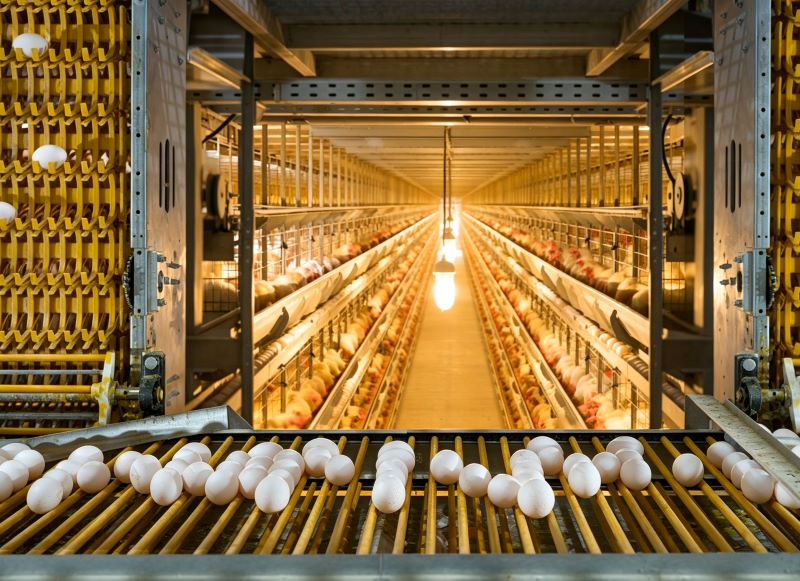
Semi-Automatic vs. Fully Automatic Poultry Farming Systems: ROI Comparison and Investment Guide
Choosing between a semi-automatic and fully automatic poultry farming system is an important investment decision. The right solution depends not only on equipment cost, but also on farm capacity, labor availability, management requirements, and long-term operating expenses.
-
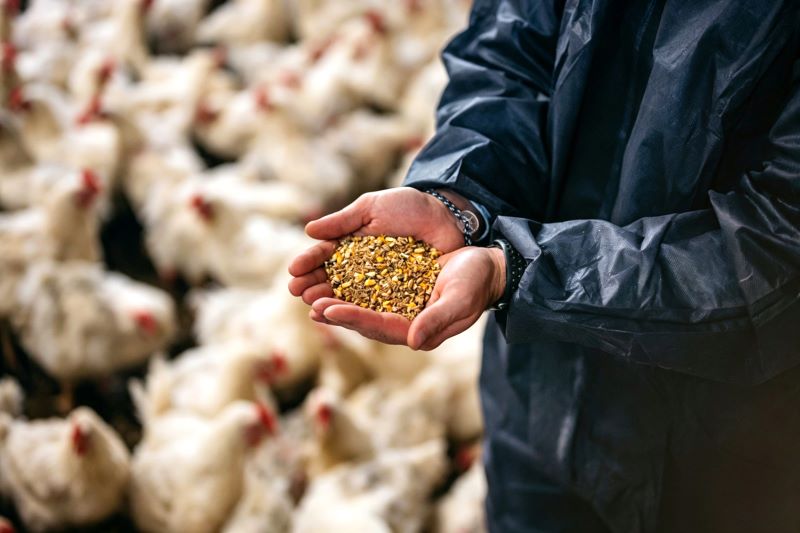
Input-Output Model of Automated Feeding Systems for Reducing Feed Cost
Feed constitutes 60–70% of total broiler production costs. Automated feeding systems reduce feed waste through precise portion control, creating a measurable input‑output economic model. Input (Investment) Output (Annual Savings from Feed Alone) Extended Output (Additional Savings) ROI CalculationPayback period (feed savings only) = $13,500 ÷ $2,600 = 5.2 yearsPayback (total savings) = $13,500 ÷ $14,000…
-
Linking Payback Period to Feed Savings: A Model for Automated Feeding Systems
The payback period of automated feeding systems directly correlates with feed savings achieved. A simple model expresses payback (months) = equipment cost / (annual feed saving × feed price). For a 10,000-bird house, automated feeders typically cut waste by 5–10%, saving 6–12 tons of feed yearly. At $450/ton, that equals $2,700–$5,400 annual saving. With equipment…
-
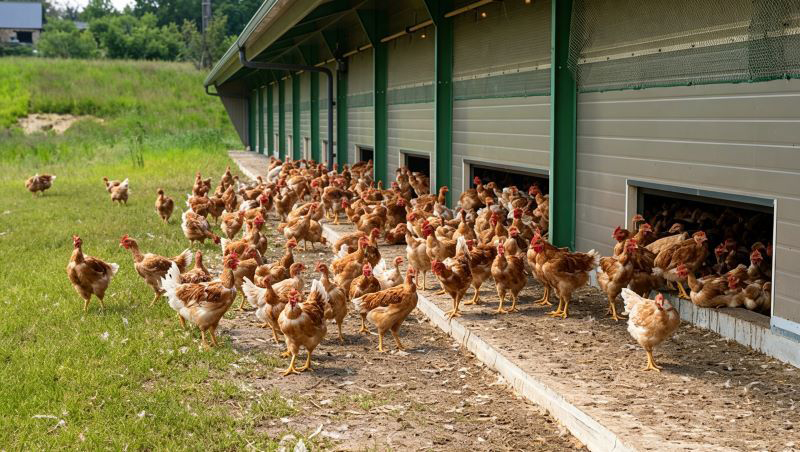
Managing Ammonia Emissions in Poultry Farms During El Niño: Practical Strategies for Waste and Odor Control
El Niño-related climate variability may create warmer or more humid conditions in some poultry-producing regions, increasing challenges in manure and ammonia management. This article examines practical approaches including automated manure removal, ventilation management, moisture control, and odor-treatment options. The effectiveness of each measure depends on local climate, poultry house design, manure characteristics, and operating practices.…
Product Categories
Subscribe To Product News
Leave your email address and receive our latest product updates