Your cart is currently empty!
+86 15863276370

Traditional poultry farming relied heavily on grower experience and manual judgment. Today, AI-driven environmental control systems are transforming this approach .
Recent research demonstrates significant breakthroughs. Scientists have developed predictive models like EMD-LSTM-Attention that forecast house temperature with a mean absolute percentage error as low as 0.76%, enabling proactive rather than reactive climate management .
Advanced ventilation algorithms now optimize microclimate conditions. In commercial trials, AI-controlled systems maintained optimal temperatures 92% of the time, compared to 74% under conventional control, while reducing mortality by 16.5% .
Modern systems integrate IoT sensors with intelligent platforms that monitor temperature, humidity, ammonia, and bird behavior in real time . When anomalies are detected, automated adjustments occur without human intervention . This shift from reactive to predictive management represents a fundamental breakthrough in poultry production efficiency.
Share this:
Other Posts
-
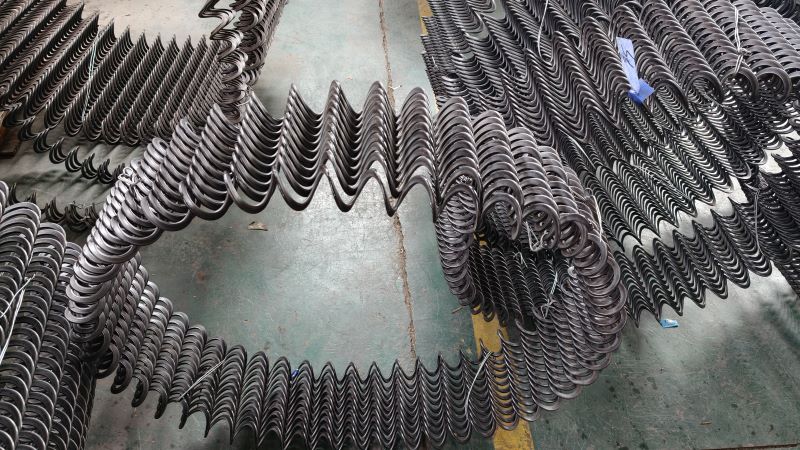
Poultry Feed Auger Diameter: 45mm vs 60mm vs 75mm – How to Choose
Feed augers (screw conveyors) are the core of automated feeding systems, moving feed from silos to feeder lines. The three most common diameters for poultry are 45mm, 60mm, and 75mm. Correct selection impacts delivery efficiency and system longevity. 45mm Auger – Small Farms or Main Feed LineDelivers 250–500 kg/h. Suitable for farms under 5,000 birds,…
-
Rainwater Harvesting and Water Recycling Systems: Evaluating a Sustainable Solution to Alleviate Water Stress in Hot Seasons
Water scarcity during hot seasons challenges poultry farms, especially for cooling pads and drinking lines. Rainwater harvesting captures runoff from roofs, stores it in tanks, and treats it for non-potable uses. When combined with recycling systems that filter and reuse water from cooling pads, overall freshwater demand drops significantly. A field study on a 50,000-bird…
-
EU’s 2027 Cage Ban: How Long Will the Policy-Driven Boom for Floor Rearing Equipment Last?
The EU will ban conventional cages for laying hens and broilers by 2027. This regulation forces farms to switch to cage‑free systems, primarily floor rearing and aviaries. Consequently, demand for floor rearing equipment—feeders, drinkers, litter management, and ventilation—has surged. Market analysts estimate that the transition affects over 300 million hens in Europe alone. Replacement cycle…
-
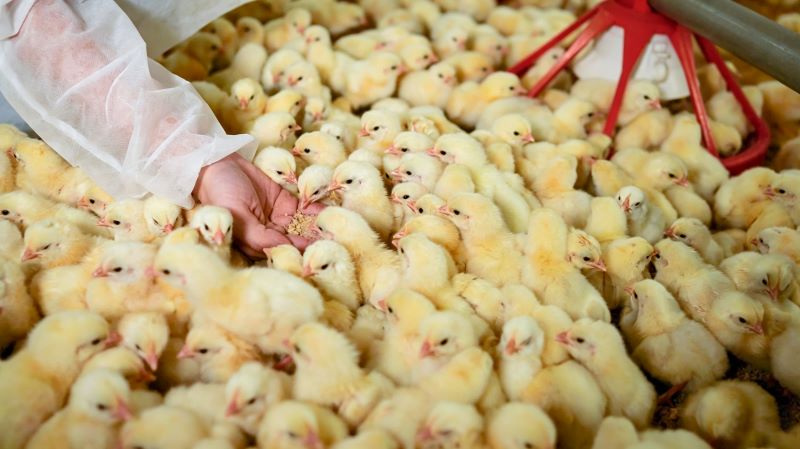
ROI Analysis of Precision Feeding Systems in Poultry Farming: How Smart Feeding Improves Feed Efficiency and Operational Performance
Precision feeding systems are becoming increasingly important in modern poultry production as farms seek better feed efficiency and more standardized management. This article analyzes the investment value of precision feeding technology by examining its impact on feeding accuracy, feed utilization, labor requirements, and operational efficiency. The ROI of such systems depends on factors including farm…
Product Categories
Subscribe To Product News
Leave your email address and receive our latest product updates