Your cart is currently empty!
+86 15863276370

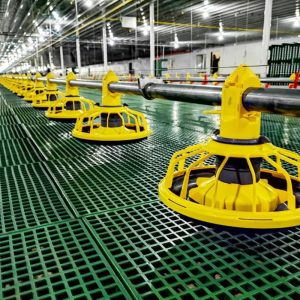
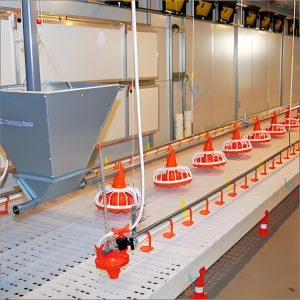
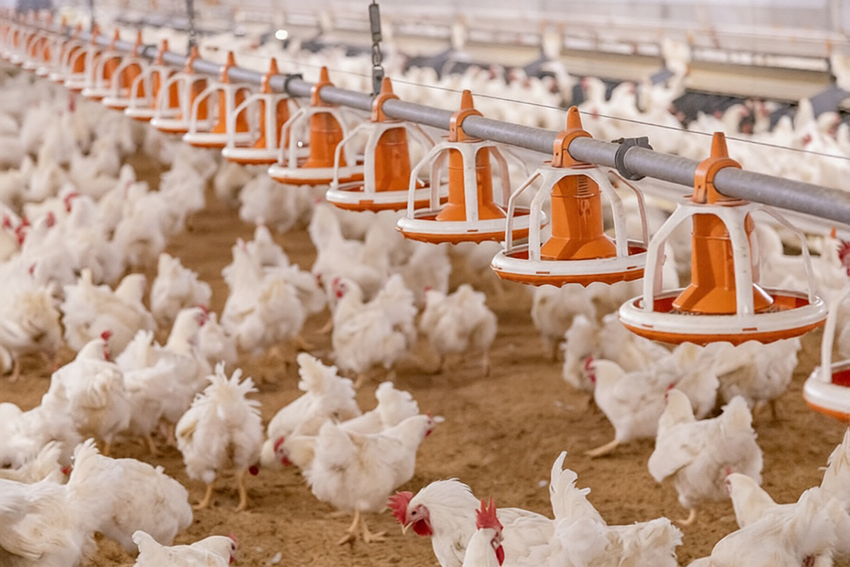
Traditional feeding often creates a dilemma: underfeeding some birds while overfeeding others. Automated feeding systems solve this through sensor and timer integration.
Sensors monitor feed levels in pans and detect bird activity patterns. When combined with timers programmed for specific feeding schedules, the system delivers precise portions at optimal times. This ensures feed is always available when birds are hungry—without accumulating stale leftovers.
The mechanism works in two ways. First, it matches feed delivery to actual consumption patterns, reducing spillage and waste. Second, it maintains feed freshness by avoiding prolonged exposure to air and moisture, which encourages intake and minimizes spoilage.
By delivering the right amount at the right time, sensor-timer systems eliminate the guesswork of manual feeding. The result is measurable waste reduction and improved feed conversion—turning precision into profit.
Share this:
Other Posts
-
Professional Broiler Breeding Equipment, Boosting Efficient Farming
As a professional manufacturer of broiler breeding equipment, we are committed to providing advanced layer-stacked broiler cage systems for farmers. Our products are made of high-quality hot-dip galvanized steel with a service life of over 15 years, featuring corrosion resistance and anti-aging properties to ensure long-term stable operation. Core Advantages: Our equipment adopts a frame…
-
Feed Loss and Quality Degradation in Poultry Farming: A Comparative Analysis of Manual Feeding vs Automated Feeding Systems
Feed loss and quality degradation are key challenges affecting efficiency in poultry production. This article compares manual and automated feeding systems in terms of feed spillage and deterioration risks. Manual feeding is often associated with uneven distribution, higher spillage rates, and increased exposure to environmental factors that may affect feed quality. Automated systems improve feeding…
-
Prevent Mold, Protect Health: How Automated Feeding Reduces Gut Disease and Veterinary Costs
Manual feeding often exposes feed to moisture, leading to mold growth and mycotoxins that damage gut health. Automated feeding systems paired with sealed silos keep feed dry and fresh from storage to delivery. This reduces the risk of intestinal diseases like necrotic enteritis, lowering mortality and veterinary expenses. For a 10,000-bird house, annual savings on…
-
Nipple Drinker vs. Traditional Trough: Which Suits Your Poultry Farm Better?
Watering system choice impacts bird health, water consumption, and labor. Nipple drinkers provide fresh, clean water on demand, reducing spillage and litter moisture. This lowers ammonia emission and footpad dermatitis incidence. Nipples also prevent fecal contamination, improving biosecurity. However, initial cost is higher, and birds need training to use them. Traditional troughs are cheaper and…
Product Categories
Subscribe To Product News
Leave your email address and receive our latest product updates