Your cart is currently empty!
+86 15863276370

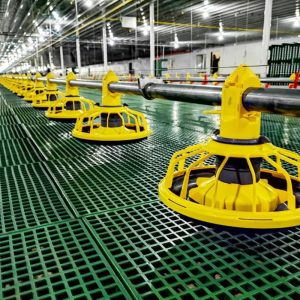
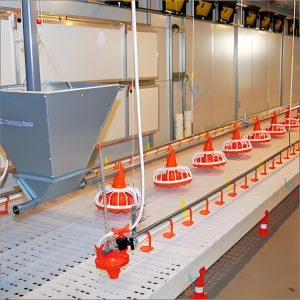
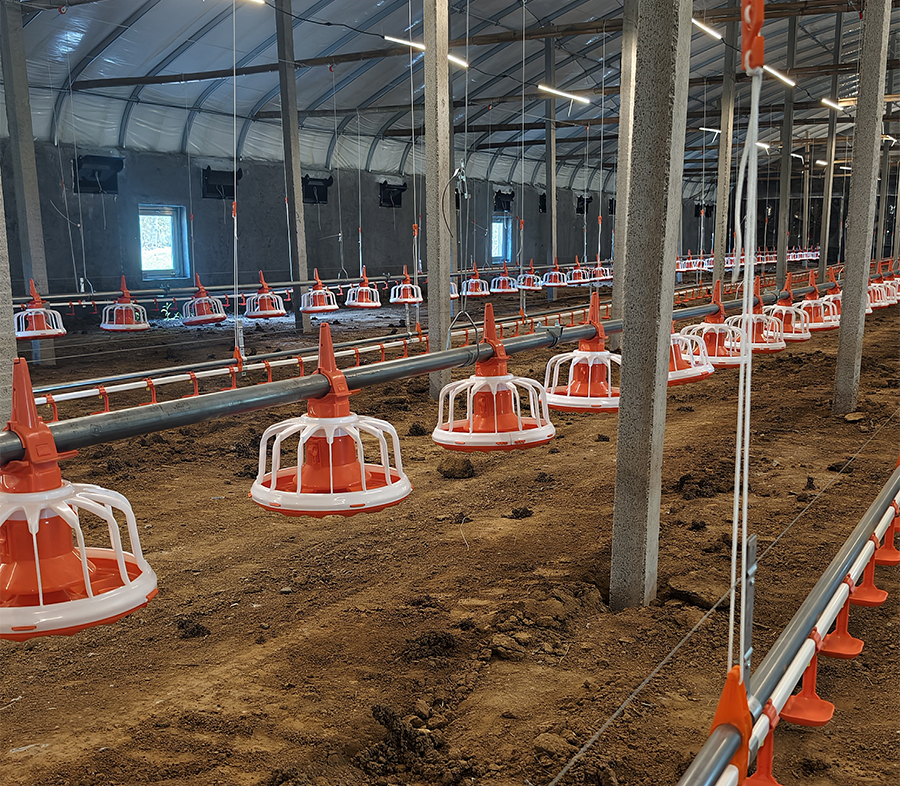
Over the next five years, three automation technologies will lead floor rearing adoption. Automated feeding systems top the list. Their clear payback (12–24 months) and direct feed savings (5–10%) make them the first standard feature globally.
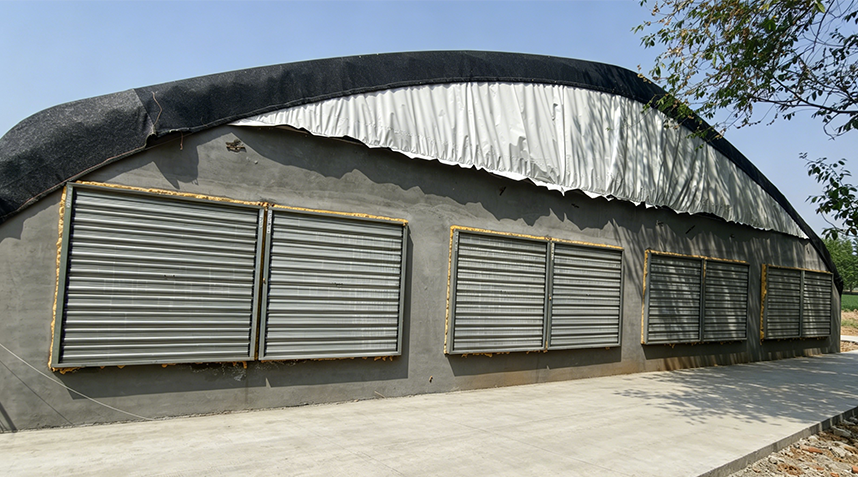
Tunnel ventilation with evaporative cooling follows closely. Rising heat waves and climate volatility push this system from optional to essential in tropical and subtropical regions.
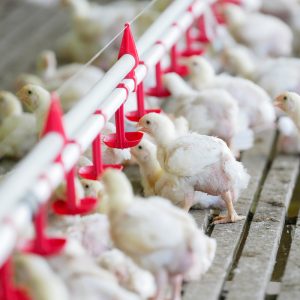
Automated drinking lines with water monitoring rank third. Clean water hygiene and real‑time flow data are becoming baseline requirements, especially under stricter biosecurity rules.
Meanwhile, automated manure removal and AI‑driven environmental control will remain optional for mid‑sized farms until costs drop further. By 2030, feeding, cooling, and smart drinking systems will be standard in modern floor rearing houses.
Share this:
Other Posts
-
Input-Output Model of Automated Feeding Systems for Reducing Feed Cost
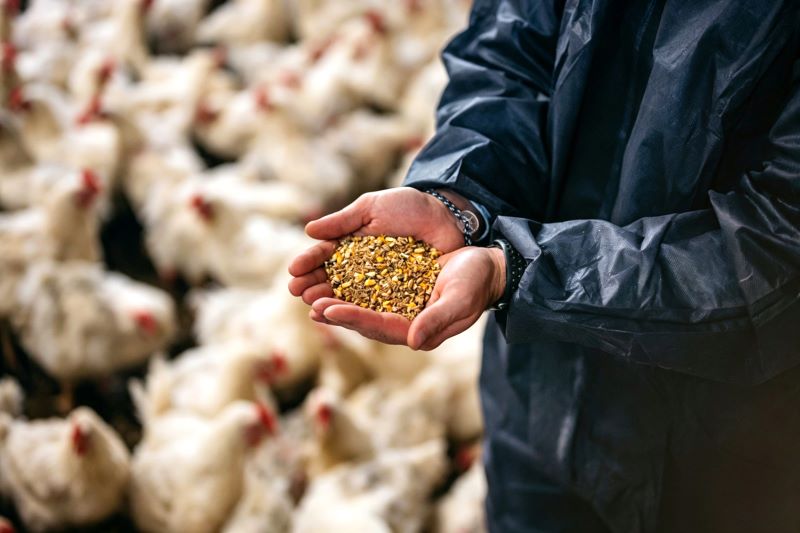
Feed constitutes 60–70% of total broiler production costs. Automated feeding systems reduce feed waste through precise portion control, creating a measurable input‑output economic model. Input (Investment) Output (Annual Savings from Feed Alone) Extended Output (Additional Savings) ROI CalculationPayback period (feed savings only) = $13,500 ÷ $2,600 = 5.2 yearsPayback (total savings) = $13,500 ÷ $14,000…
-
Quantifying Feed Waste in Manual Poultry Feeding: Spillage, Mold Contamination, and Feed Refusal Analysis
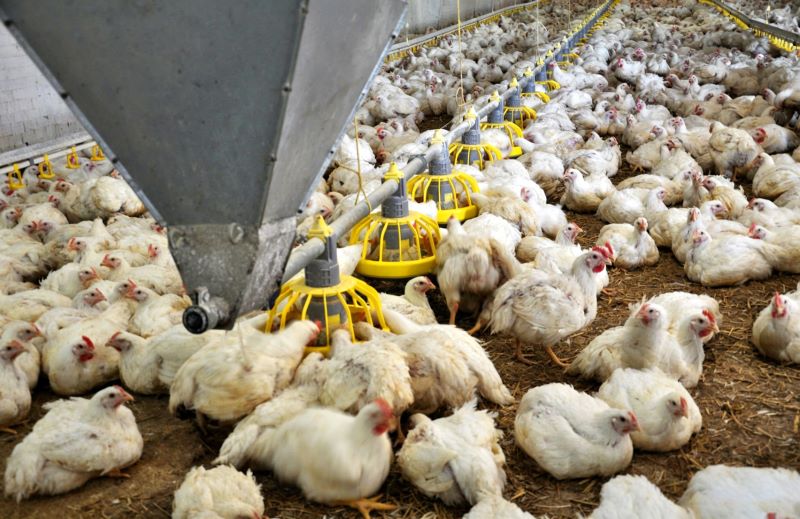
Feed efficiency is a critical factor in determining the profitability of commercial poultry production. In manual feeding systems, feed waste is often underestimated, yet it can significantly impact operational costs. This article provides a quantitative breakdown of three major feed loss channels: spillage, mold contamination, and feed refusal. Spillage is one of the most visible…
-
Is Automation Upgrade Worth It? An ROI Analysis Model and Calculation Case for a 10,000-Bird Broiler Farm
This study builds an ROI model to evaluate automation upgrades for a 10,000-bird floor rearing farm. The model compares total investment (equipment + installation) against annual savings from labor, feed, medication, and mortality reduction. Key inputs: automated feeding system cost – 12,000;manuallaborcost–12,000;manuallaborcost–15/hour; feed waste reduction – 7%; mortality decrease – 2%; medication saving – 20%. Calculation:…
-
Techno-Economic Assessment of Tunnel Ventilation Retrofitting: Pathways for Transitioning Conventional Houses to High-Airflow Systems
Conventional poultry houses often struggle with heat stress during summer, leading to reduced feed intake and higher mortality. Tunnel ventilation retrofitting offers a proven solution. The technical pathway involves installing high-capacity fans at one end, evaporative cooling pads at the opposite end, and sealing side inlets to create uniform 2–3 m/s airflow. This system lowers…
Product Categories
Subscribe To Product News
Leave your email address and receive our latest product updates