Your cart is currently empty!
+86 15863276370

Feed efficiency is a critical factor in determining the profitability of commercial poultry production. In manual feeding systems, feed waste is often underestimated, yet it can significantly impact operational costs. This article provides a quantitative breakdown of three major feed loss channels: spillage, mold contamination, and feed refusal.
Spillage is one of the most visible forms of feed waste. It typically occurs due to uneven manual distribution, bird competition, and improper feeder design. Studies in commercial broiler farms suggest that spillage can account for approximately 3–8% of total feed input, depending on management practices and stocking density.
Mold contamination represents a less visible but equally important loss factor. In manual feeding environments, feed exposure to humidity, poor storage conditions, and delayed consumption can accelerate fungal growth. Contaminated feed not only reduces nutritional value but may also pose health risks, leading to reduced growth performance. Estimated losses from mold-related degradation can reach 2–5% under suboptimal conditions.
Feed refusal refers to the portion of feed that birds do not consume due to poor palatability, inconsistent feeding schedules, or environmental stress. In manually managed systems, irregular feeding timing often disrupts feeding behavior, resulting in 2–6% feed rejection rates.
When combined, these three factors may result in total feed losses ranging from 7% to 15% in conventional manual feeding systems. In contrast, automated feeding systems with controlled delivery, environmental monitoring, and optimized feeding schedules can significantly reduce these inefficiencies.
Understanding and quantifying these waste channels provides a scientific basis for improving feed management strategies and supports the transition toward precision poultry farming systems.
Share this:
Other Posts
-
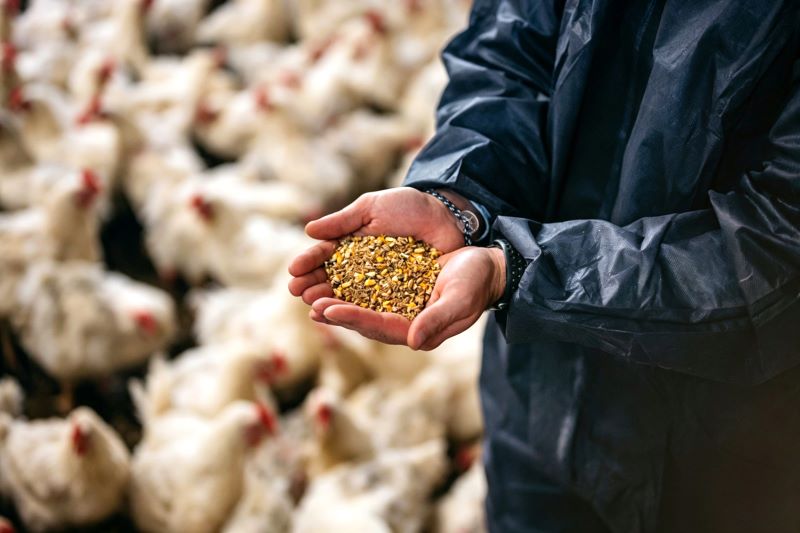
Input-Output Model of Automated Feeding Systems for Reducing Feed Cost
Feed constitutes 60–70% of total broiler production costs. Automated feeding systems reduce feed waste through precise portion control, creating a measurable input‑output economic model. Input (Investment) Output (Annual Savings from Feed Alone) Extended Output (Additional Savings) ROI CalculationPayback period (feed savings only) = $13,500 ÷ $2,600 = 5.2 yearsPayback (total savings) = $13,500 ÷ $14,000…
-
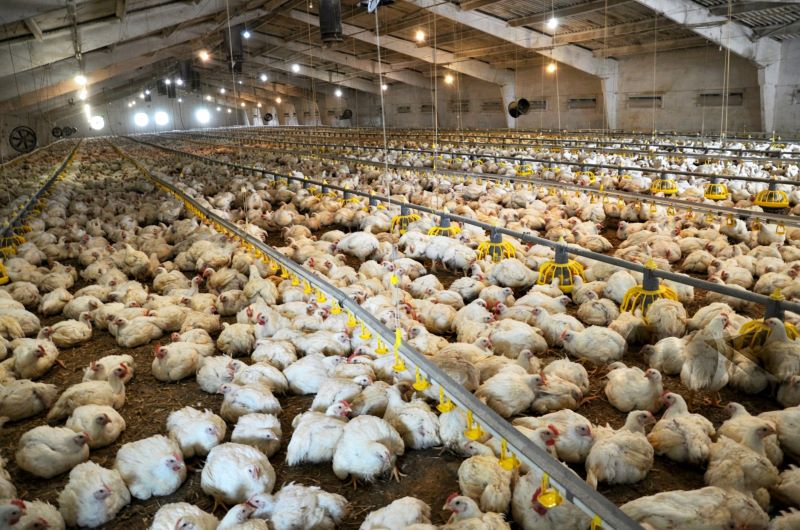
Global Cage-Free Poultry Equipment Market Outlook 2026–2030: Growth Opportunities in the Middle East and Southeast Asia
The global poultry industry is entering a new stage of modernization, with increasing demand for efficient, automated, and sustainable farming solutions. This article analyzes the development opportunities of cage-free poultry equipment markets from 2026 to 2030, focusing on the Middle East and Southeast Asia. It explores regional differences in production needs, climate challenges, labor conditions,…
-
Equipment-as-a-Service: Feasibility and Market Acceptance in Automated Poultry Farming
Equipment-as-a-Service (EaaS) is emerging as an innovative procurement model in the livestock industry, particularly in automated poultry farming. Instead of large upfront investments, farmers can access advanced equipment such as feeding systems, ventilation units, and water supply systems through subscription-based or pay-per-use models. This approach significantly reduces financial pressure and allows small and medium-sized farms…
-
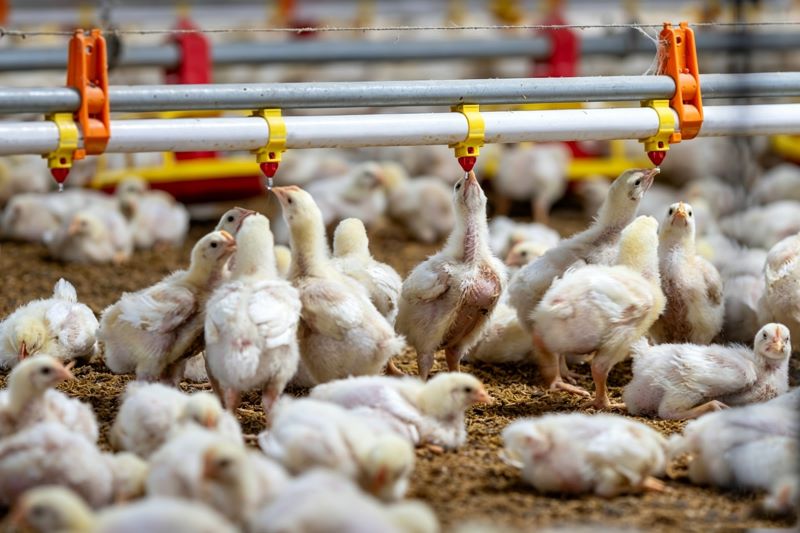
Deconstructing the Payback Period of Automated Feeding Systems: A Quantitative Analysis of Feed Savings Contribution
Automated feeding systems significantly shorten payback periods by reducing feed waste. This study quantifies how much feed savings contribute to overall return on investment in a 10,000‑bird broiler house. A typical automated feeding system costs $12,000–$15,000 installed. Annual savings come from three sources: labor (70% reduction, saving ~$10,000), feed waste reduction (5–10% saving, ~$2,700–$5,400), and…
Product Categories
Subscribe To Product News
Leave your email address and receive our latest product updates