Your cart is currently empty!
+86 15863276370

Floor egg rate is an important performance indicator in layer poultry production, directly affecting egg collection efficiency, hygiene control, and overall farm profitability. In commercial operations, reducing floor eggs from 8% to 2% requires both proper nest box selection and systematic management strategies.
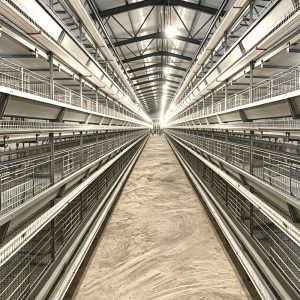
Nest box design is the first critical factor. Appropriate size, entrance height, lighting balance, and internal comfort conditions significantly influence hen nesting behavior. Poorly designed systems often lead to birds laying eggs outside designated areas, increasing floor egg incidence. Multi-tier nest systems with optimized space distribution are commonly used to improve accessibility and reduce competition among hens.
Management practices are equally important. Stable lighting schedules, early training of hens to use nest boxes, and consistent egg collection routines help establish behavioral habits. In addition, maintaining clean bedding materials and controlling humidity levels inside the housing environment further encourages proper nest usage.
Stocking density also plays a key role. Overcrowding increases stress and competition, which directly raises the probability of floor laying behavior. Proper flock distribution across nest units ensures balanced usage and reduces pressure on specific zones.
Field observations in commercial poultry farms show that with optimized nest box configuration and standardized management, floor egg rates can be reduced from approximately 8% to around 2%. This improvement not only reduces egg loss but also enhances hygiene standards and labor efficiency in egg collection processes.
Overall, minimizing floor eggs requires a combination of equipment design, behavioral conditioning, and environmental control, forming a comprehensive management system for modern layer production.
Share this:
Other Posts
-
Top 10 Innovation Trends in Poultry Equipment for 2026: From Operational Tools to Strategic Assets
Poultry equipment is no longer just hardware—it is evolving into data-driven decision engines. Here are ten trends shaping the industry. 1. Digital Twins Go OperationalDigital twins move beyond pilot projects. They now simulate flock growth, test ventilation changes, and predict feed conversion before a single bird enters the house. Key shift: from visualization to actionable…
-
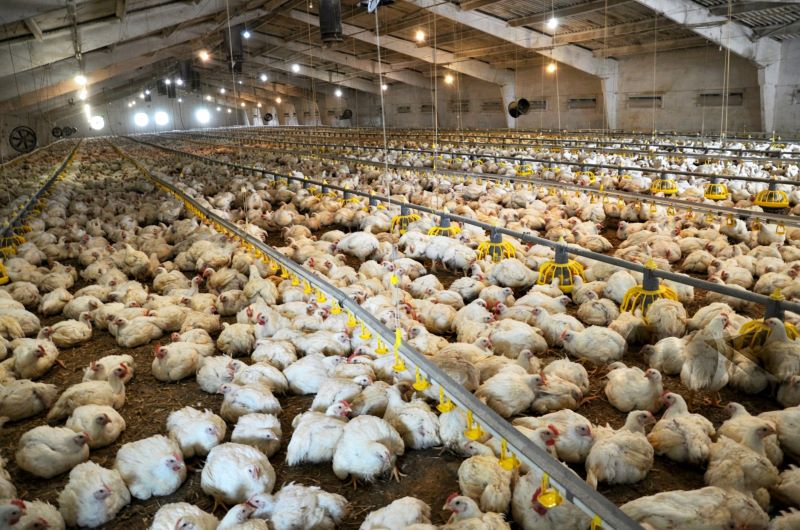
Global Cage-Free Poultry Equipment Market Outlook 2026–2030: Growth Opportunities in the Middle East and Southeast Asia
The global poultry industry is entering a new stage of modernization, with increasing demand for efficient, automated, and sustainable farming solutions. This article analyzes the development opportunities of cage-free poultry equipment markets from 2026 to 2030, focusing on the Middle East and Southeast Asia. It explores regional differences in production needs, climate challenges, labor conditions,…
-
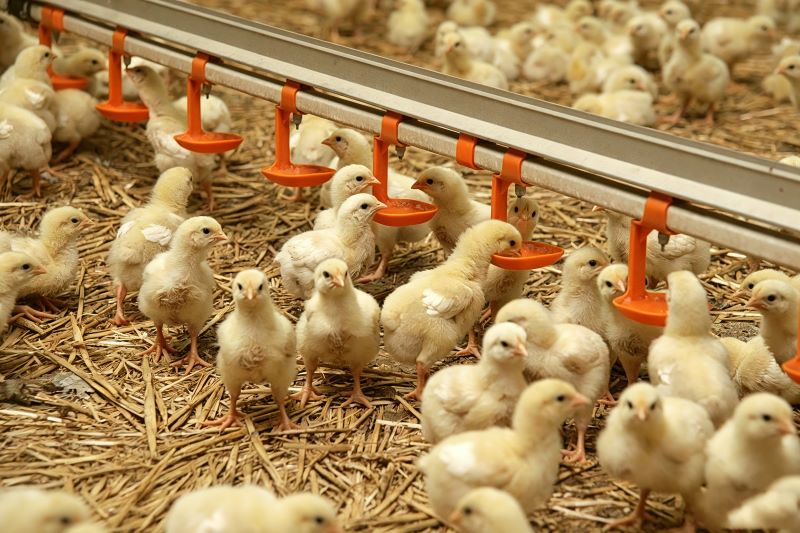
Broiler Drinking Water Management in Summer: Density, Temperature, and Electrolytes for Heat Stress Relief
Water is the most critical nutrient for broilers during hot weather. When temperatures rise, birds can double their water intake. Yet many farms overlook three key factors: drinker density, water temperature, and electrolyte supplementation. Here’s what the data shows. Drinker Density: Enough Points Matter Inadequate drinker access is a primary bottleneck during heat stress. Industry…
-
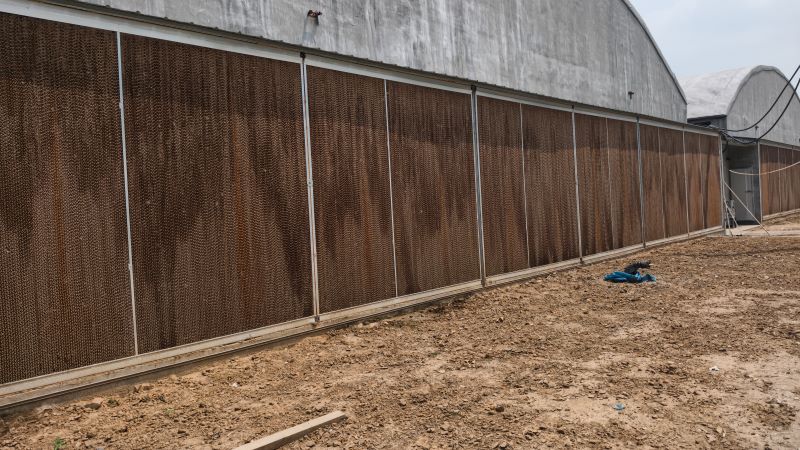
Evaporative Cooling Pad Water Quality and Maintenance: How Hardness, pH, and Mineral Scale Affect Cooling Performance
Water quality is an important factor affecting the performance and maintenance of evaporative cooling pads in poultry houses. High mineral content, unsuitable pH conditions, and accumulated scale can interfere with water distribution and evaporation efficiency. This article examines practical maintenance strategies, including water testing, controlled bleed-off, periodic flushing, and routine inspection. Effective water management can…
Product Categories
Subscribe To Product News
Leave your email address and receive our latest product updates