Your cart is currently empty!
+86 15863276370

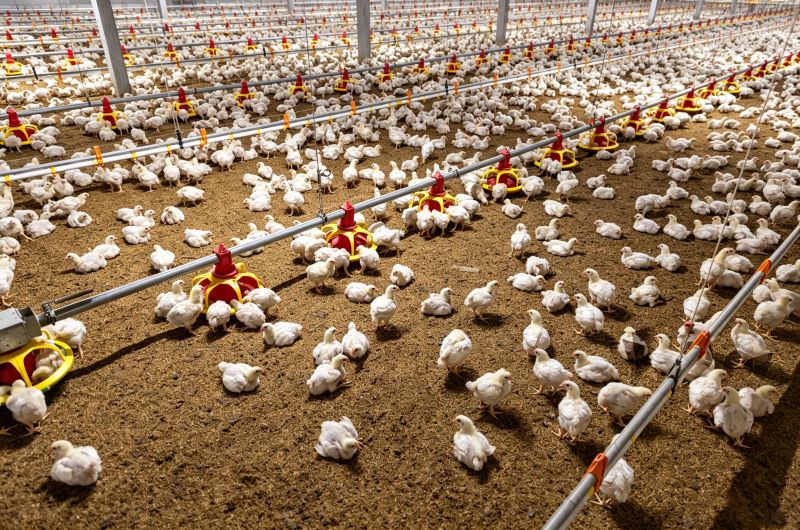
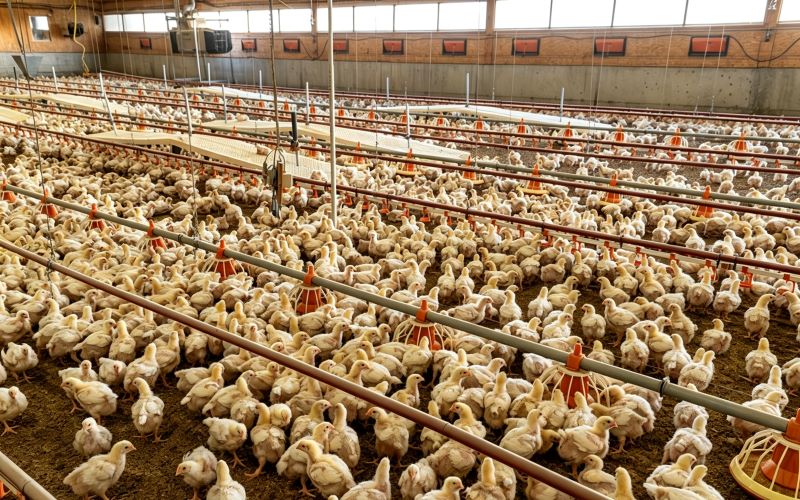
Feed management is a critical factor affecting production efficiency and cost control in poultry farming. Among various influencing factors, feed spillage and quality degradation during storage and distribution can significantly impact overall feed utilization. This study compares feed loss patterns between manual feeding and automated feeding systems, focusing on spillage rates and feed deterioration risks.
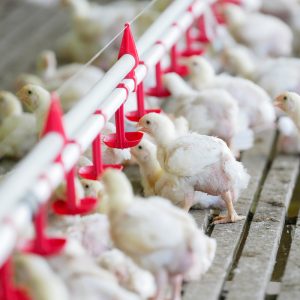
In manual feeding systems, feed is typically distributed by workers in batches, often resulting in uneven allocation. Overfilling feed trays can lead to spillage as birds scratch or move feed outside the feeding area. In addition, prolonged exposure of feed to air and moisture increases the likelihood of contamination, mold growth, and nutrient degradation, especially under high humidity conditions.
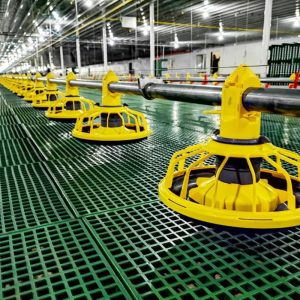
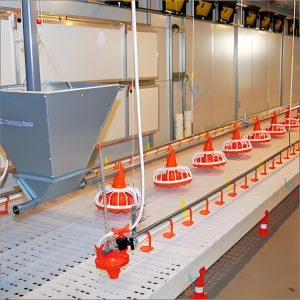
Automated feeding systems, by contrast, are designed to deliver feed in controlled quantities and at regular intervals. This reduces excessive accumulation in feeding pans and minimizes physical disturbance by birds. As a result, spillage rates are generally lower, and feed freshness is better maintained. Closed or semi-enclosed delivery systems also limit exposure to environmental moisture, which helps reduce the risk of feed spoilage.
Another advantage of automated feeding is the consistency of feed distribution across the poultry house. Uniform feeding conditions contribute to more stable feed intake behavior and reduce selective feeding, which can otherwise increase waste.
The overall effectiveness of feed management depends on system design, equipment maintenance, feed quality, and environmental conditions. While automation does not eliminate all forms of feed loss, it provides a more controlled and predictable feeding process.
Optimizing feeding strategies by reducing spillage and maintaining feed quality can contribute to improved feed conversion efficiency and more stable production performance in poultry farms.
Share this:
Other Posts
-
Why Automated Floor Rearing Systems Are Transforming Broiler Farming
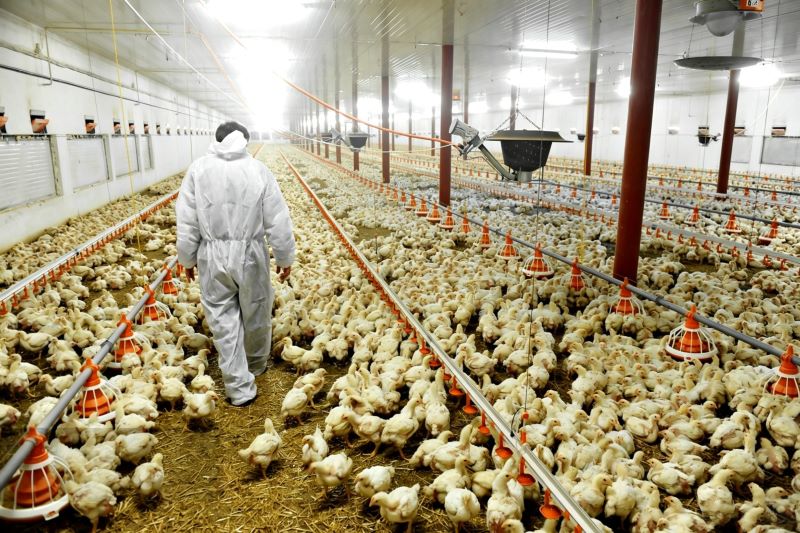
Automated floor rearing systems help broiler farms cut labor costs by up to 70%, reduce feed waste by 5–10%, improve bird health through natural movement, and enable all‑in/all‑out sanitation for better disease control. With a strong ROI of 12–24 months, they also help farms meet animal welfare standards. As the industry moves toward cage‑free and…
-
Before Installing Evaporative Cooling Pads: 3 Poultry House Conditions to Check First
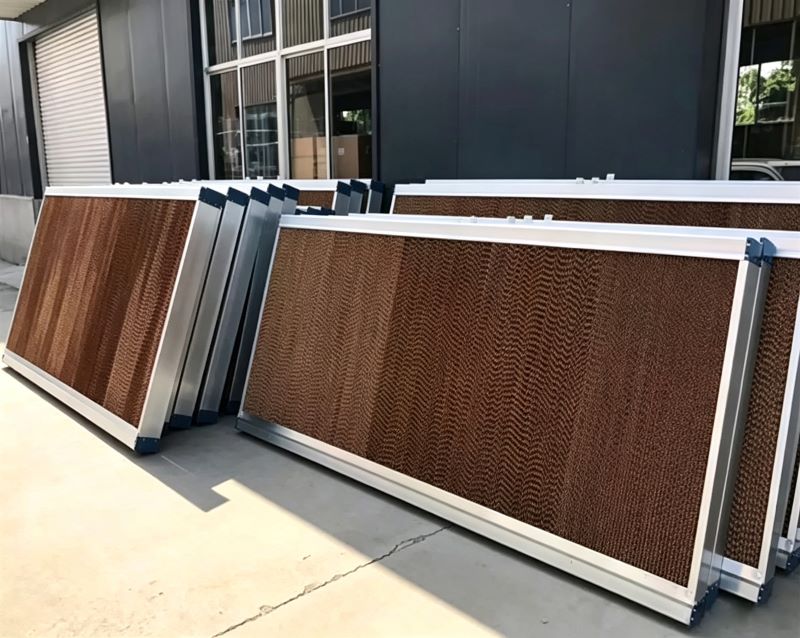
Evaporative cooling pad performance depends on the entire poultry house cooling system rather than the pad alone. This article outlines three key pre-installation checks: house sealing, fan capacity, and water supply conditions. Air leakage can disrupt airflow, unsuitable fan capacity may reduce effective air movement, and unstable or poor-quality water can affect pad wetting and…
-
From Labor Shortage to Smart Farming: How Automated Feeding Systems Enable Long-Term Efficiency and Strategic Transformation in Poultry Production
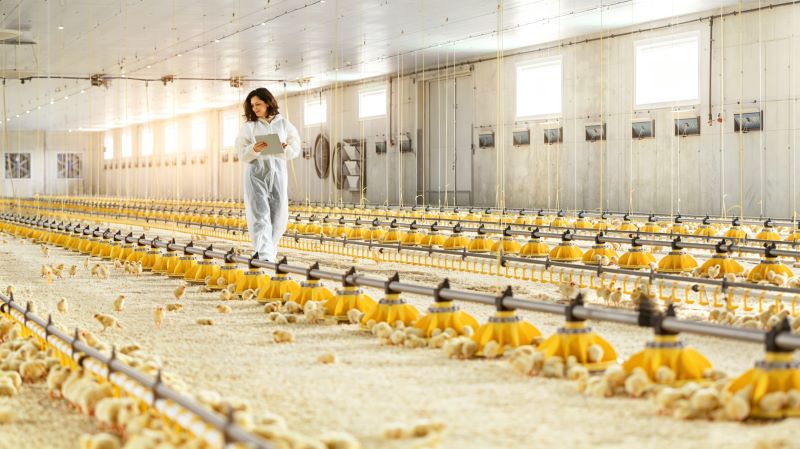
Labor shortages are increasingly influencing poultry production systems worldwide. This article explores how automated feeding systems can reduce reliance on unstable labor while improving feeding consistency, production efficiency, and management standardization. It highlights the transition from labor-intensive to low-labor farming models and emphasizes automation as a long-term strategic investment rather than a short-term cost-saving measure.…
-
Seasonal Stocking Density Management in Poultry Farming: Dynamic Matching of Bird Density and Heat Load Under Different Temperature Conditions
Stocking density is a critical management factor affecting animal welfare, environmental control efficiency, and production performance in commercial poultry farming. During seasonal temperature changes, maintaining the appropriate bird density becomes increasingly important because heat production from flocks directly influences the internal climate of poultry houses. A seasonal stocking density adjustment model evaluates the relationship between…
Product Categories
Subscribe To Product News
Leave your email address and receive our latest product updates