Your cart is currently empty!
+86 15863276370

Welcome to WordPress. This is your first post. Edit or delete it, then start writing!
Share this:
Other Posts
-
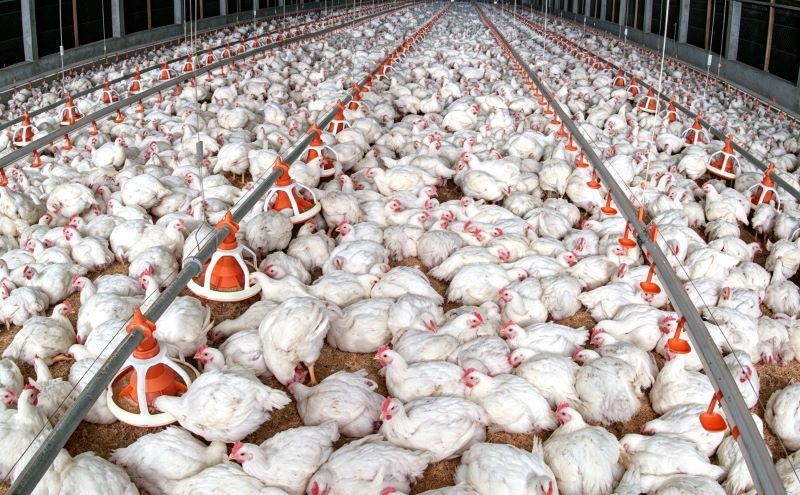
Poultry House Cooling Sequence During Extreme Heat: When to Start Tunnel Fans and Evaporative Cooling Pads
Extreme heat requires a coordinated cooling strategy in poultry houses. A staged approach generally begins with increased tunnel ventilation to remove accumulated heat and improve air movement. Evaporative cooling pads can then be introduced when ventilation alone is insufficient, provided that humidity and airflow conditions are suitable. During severe heat, fans and cooling pads can…
-
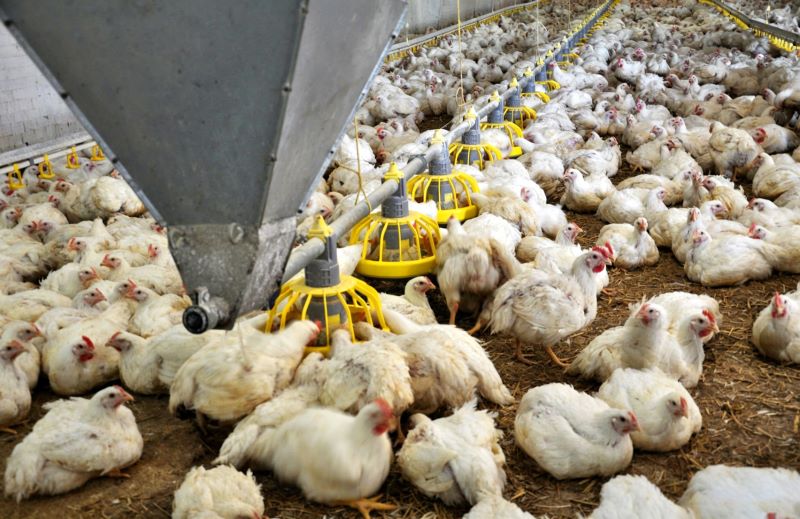
Quantifying Feed Waste in Manual Poultry Feeding: Spillage, Mold Contamination, and Feed Refusal Analysis
Feed efficiency is a critical factor in determining the profitability of commercial poultry production. In manual feeding systems, feed waste is often underestimated, yet it can significantly impact operational costs. This article provides a quantitative breakdown of three major feed loss channels: spillage, mold contamination, and feed refusal. Spillage is one of the most visible…
-
Equipment-as-a-Service: Feasibility and Market Acceptance in Automated Poultry Farming
Equipment-as-a-Service (EaaS) is emerging as an innovative procurement model in the livestock industry, particularly in automated poultry farming. Instead of large upfront investments, farmers can access advanced equipment such as feeding systems, ventilation units, and water supply systems through subscription-based or pay-per-use models. This approach significantly reduces financial pressure and allows small and medium-sized farms…
-
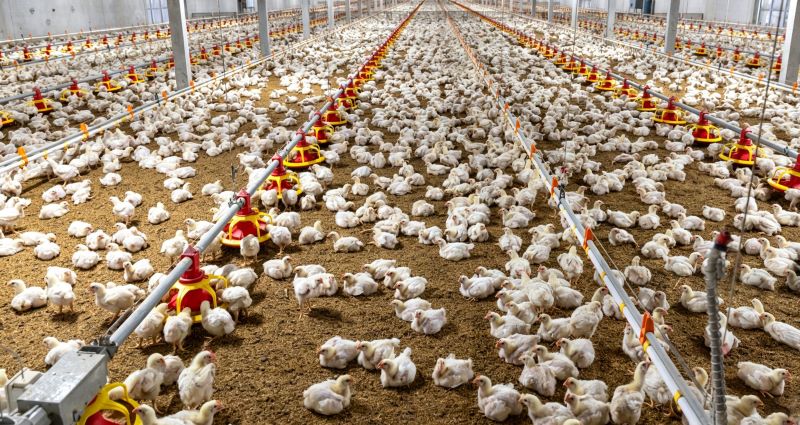
Feed Loss and Quality Degradation in Poultry Farming: A Comparative Analysis of Manual Feeding vs Automated Feeding Systems
Feed loss and quality degradation are key challenges affecting efficiency in poultry production. This article compares manual and automated feeding systems in terms of feed spillage and deterioration risks. Manual feeding is often associated with uneven distribution, higher spillage rates, and increased exposure to environmental factors that may affect feed quality. Automated systems improve feeding…
Product Categories
Subscribe To Product News
Leave your email address and receive our latest product updates