Your cart is currently empty!
+86 15863276370

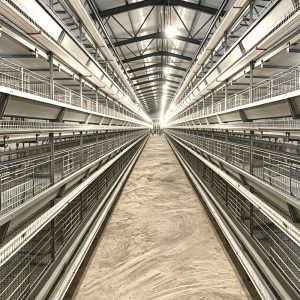
As a professional manufacturer of broiler breeding equipment, we are committed to providing advanced layer-stacked broiler cage systems for farmers. Our products are made of high-quality hot-dip galvanized steel with a service life of over 15 years, featuring corrosion resistance and anti-aging properties to ensure long-term stable operation.
Core Advantages:
- •High-density farming: Layer-stacked design increases stocking density by more than 3 times compared to floor rearing, significantly saving land resources
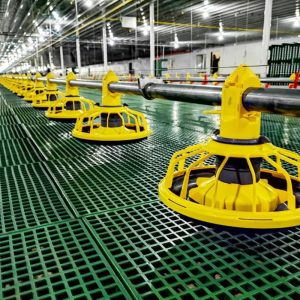
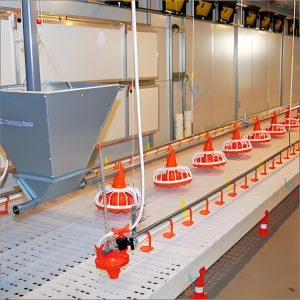
- •Automated management: Equipped with automatic feeding, drinking, and manure removal systems, reducing labor costs by 80%, one person can manage 20,000-30,000 chickens
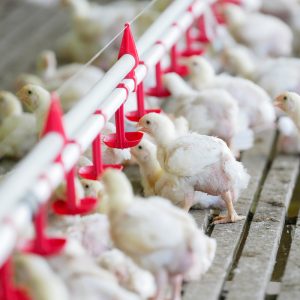
- •Excellent disease prevention: Complete separation of chickens from feces effectively prevents disease transmission, survival rate increases to 98%
- •Energy-efficient and high-yield: Reduced activity of broilers improves feed conversion rate, feed-to-meat ratio decreases by 0.20, saving 0.7 yuan per chicken
Our equipment adopts a frame structure with push-pull cage doors for convenient operation and easy chicken handling. The manure removal system uses PP material conveyor belts to achieve “manure-free floor,” maintaining a clean chicken house environment. We welcome new and existing customers to visit and inspect, and we will provide comprehensive technical support and after-sales service to jointly create new brilliance in farming!
Share this:
Other Posts
-
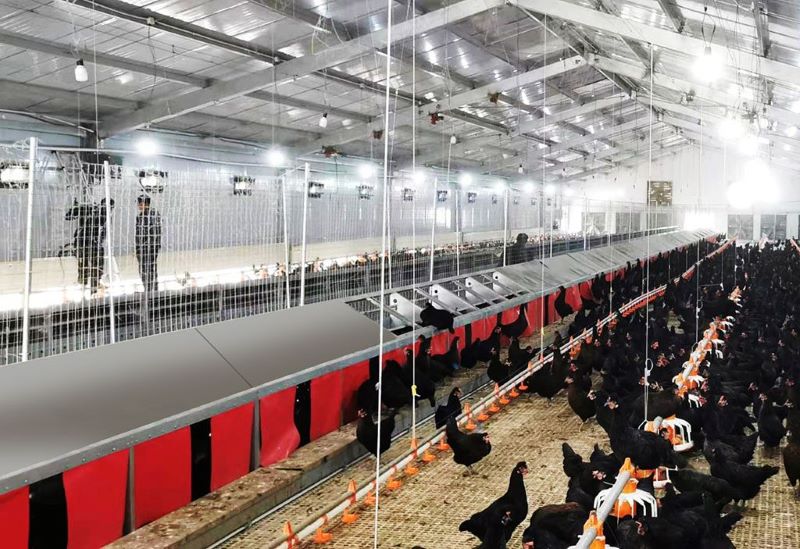
Reducing Floor Egg Rate in Poultry Farming: Nest Box Selection and Management Strategy for Performance Optimization
Floor egg rate is an important performance indicator in layer poultry production, directly affecting egg collection efficiency, hygiene control, and overall farm profitability. In commercial operations, reducing floor eggs from 8% to 2% requires both proper nest box selection and systematic management strategies. Nest box design is the first critical factor. Appropriate size, entrance height,…
-
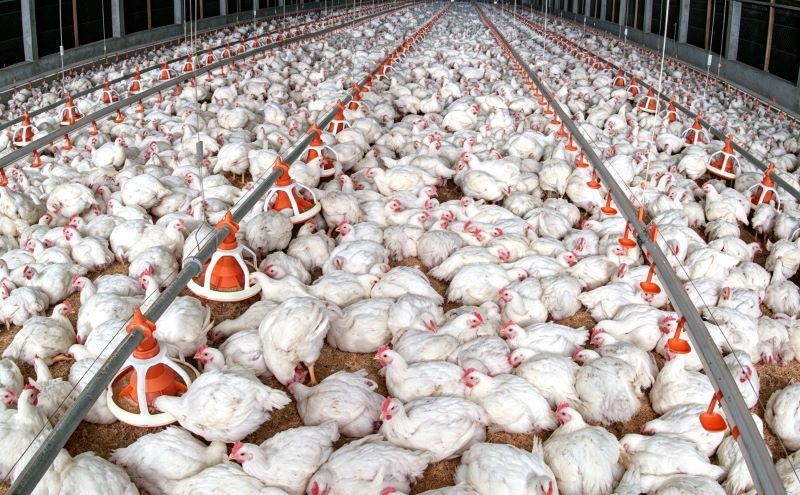
Poultry House Cooling Sequence During Extreme Heat: When to Start Tunnel Fans and Evaporative Cooling Pads
Extreme heat requires a coordinated cooling strategy in poultry houses. A staged approach generally begins with increased tunnel ventilation to remove accumulated heat and improve air movement. Evaporative cooling pads can then be introduced when ventilation alone is insufficient, provided that humidity and airflow conditions are suitable. During severe heat, fans and cooling pads can…
-
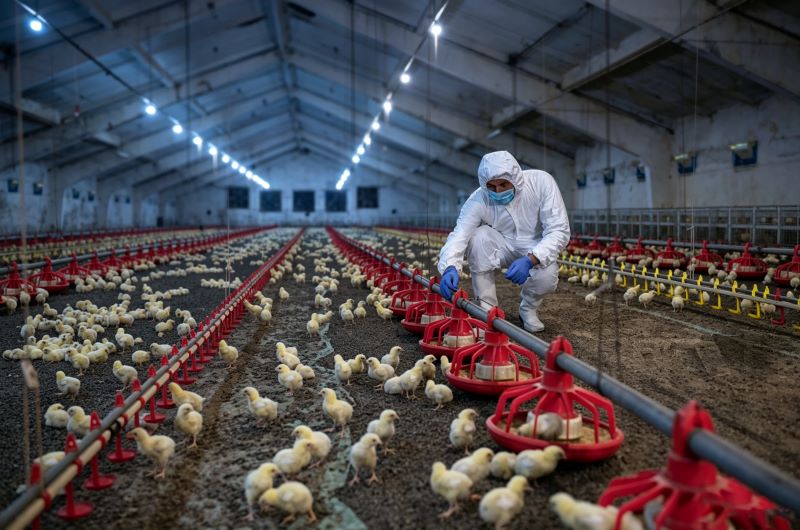
5 Common Mistakes to Avoid When Purchasing Complete Poultry Automation Equipment: A Practical Buying Guide
The selection of complete poultry automation equipment plays a critical role in improving farm efficiency and production stability. However, improper equipment planning, insufficient compatibility analysis, and lack of technical support may increase operational challenges. This article identifies five common mistakes in poultry automation equipment purchasing, including price-focused decisions, unsuitable system matching, climate adaptation issues, insufficient…
-
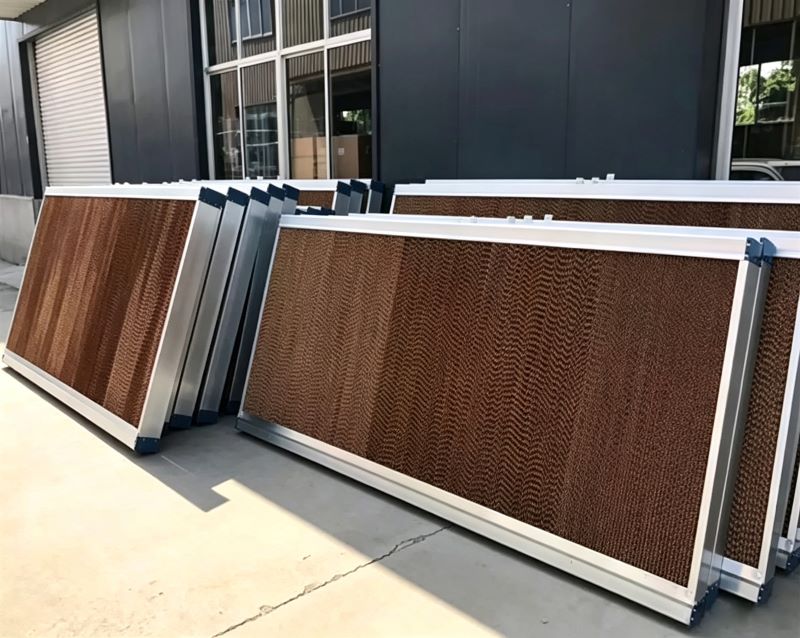
Before Installing Evaporative Cooling Pads: 3 Poultry House Conditions to Check First
Evaporative cooling pad performance depends on the entire poultry house cooling system rather than the pad alone. This article outlines three key pre-installation checks: house sealing, fan capacity, and water supply conditions. Air leakage can disrupt airflow, unsuitable fan capacity may reduce effective air movement, and unstable or poor-quality water can affect pad wetting and…
Product Categories
Subscribe To Product News
Leave your email address and receive our latest product updates