Your cart is currently empty!
+86 15863276370

Deploying AI decision systems in floor‑rearing farms promises improved efficiency but faces practical hurdles. Three major challenges emerge: data infrastructure gaps, worker acceptance, and system maintenance cost. Many farms lack reliable sensors or stable internet, leading to incomplete data. Workers, accustomed to manual observation, often distrust AI recommendations.
Solutions include phased deployment starting with basic environmental monitoring to build trust. Installing ruggedized, low‑cost sensors that work offline and sync later addresses connectivity issues. Conducting hands‑on training that compares AI advice with traditional methods helps workers understand value. Hybrid models where AI suggests actions but leaves final decisions to managers reduce resistance.
Additionally, leasing equipment with maintenance contracts lowers upfront investment, while cloud‑based analytics reduce on‑site computing needs. Successful implementation requires not just technology but cultural change, turning skepticism into collaboration.
Share this:
Other Posts
-
Energy Consumption and Carbon Footprint Changes in Poultry Farms across Climatic Zones during El Niño Years
El Niño events alter temperature and humidity patterns, affecting energy use in poultry houses. In temperate zones, unexpected cold spells increase heating demand, raising carbon emissions. Subtropical farms face longer hot periods, intensifying ventilation and cooling pad operation, which spikes electricity consumption. Tropical regions experience extreme humidity, forcing fans and dehumidifiers to run longer. These…
-
Equipment + Service” Model: The Next Growth Driver in Biosecurity Equipment Market
As disease outbreaks become more frequent, poultry farms are shifting from buying standalone biosecurity equipment to seeking integrated solutions. The “equipment + service” model is emerging as a key growth driver in this space. This model combines hardware—such as automated disinfection channels, air filtration systems, and smart access controls—with value-added services like biosecurity audits, sanitation…
-
Quantitative Assessment of Dynamic Feed Adjustment in Reducing Overfeeding and Underfeeding
Dynamic feed adjustment tailors daily feed amounts to match broilers’ actual growth curves and real-time intake patterns. This study quantifies its effect on reducing overfeeding and underfeeding in a 10,000‑bird flock. Overfeeding occurs when feed supply exceeds birds’ needs, increasing feed conversion ratio (FCR) and fat deposition. Underfeeding limits growth and causes flock unevenness. Using…
-
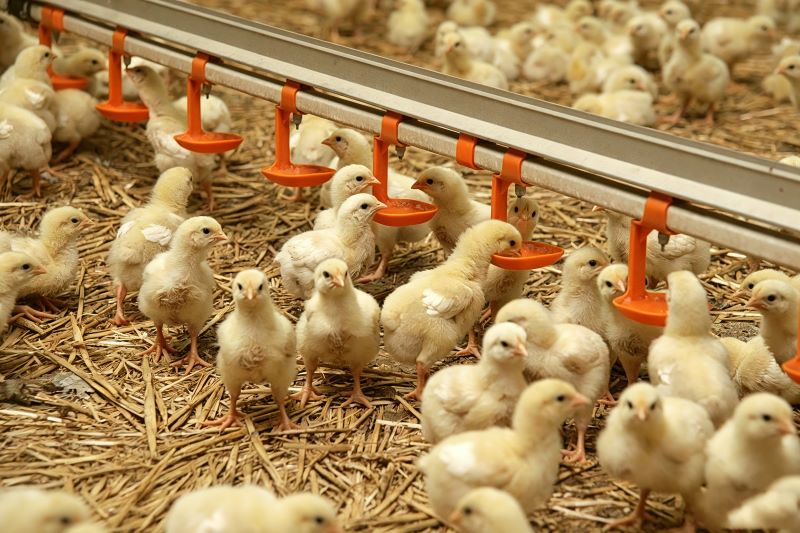
Broiler Drinking Water Management in Summer: Density, Temperature, and Electrolytes for Heat Stress Relief
Water is the most critical nutrient for broilers during hot weather. When temperatures rise, birds can double their water intake. Yet many farms overlook three key factors: drinker density, water temperature, and electrolyte supplementation. Here’s what the data shows. Drinker Density: Enough Points Matter Inadequate drinker access is a primary bottleneck during heat stress. Industry…
Product Categories
Subscribe To Product News
Leave your email address and receive our latest product updates