Your cart is currently empty!
+86 15863276370

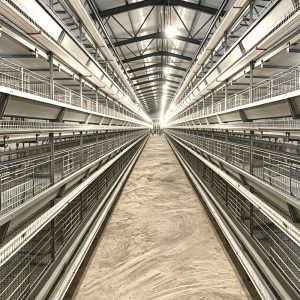
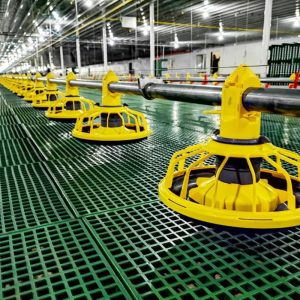
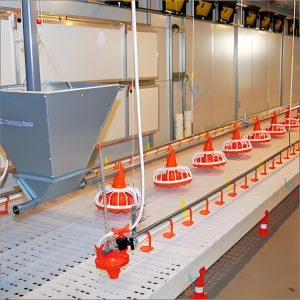
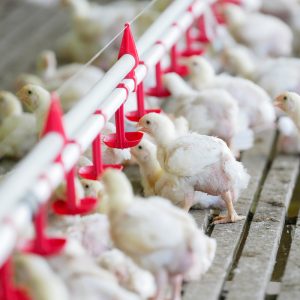
Automated floor rearing systems are revolutionizing the poultry industry. Unlike traditional cage systems, floor rearing allows birds to move freely on litter, improving leg health and reducing breast blisters. When combined with automation, these systems deliver even greater benefits for modern broiler farms.
First, automated feeding and drinking lines cut labor costs by up to 70%. A single worker can manage multiple houses, as feeders and drinkers operate on timers and sensors. Second, precision feeding reduces feed waste by 5–10%, directly lowering the largest production cost. Third, automated ventilation and cooling systems maintain optimal temperature and humidity, preventing heat stress and reducing mortality.
Fourth, floor rearing supports all-in/all-out sanitation. Without cages blocking access, houses can be emptied, cleaned, and disinfected thoroughly, breaking disease cycles effectively. Fifth, automated manure management keeps litter dry, lowering ammonia emissions and improving bird welfare.
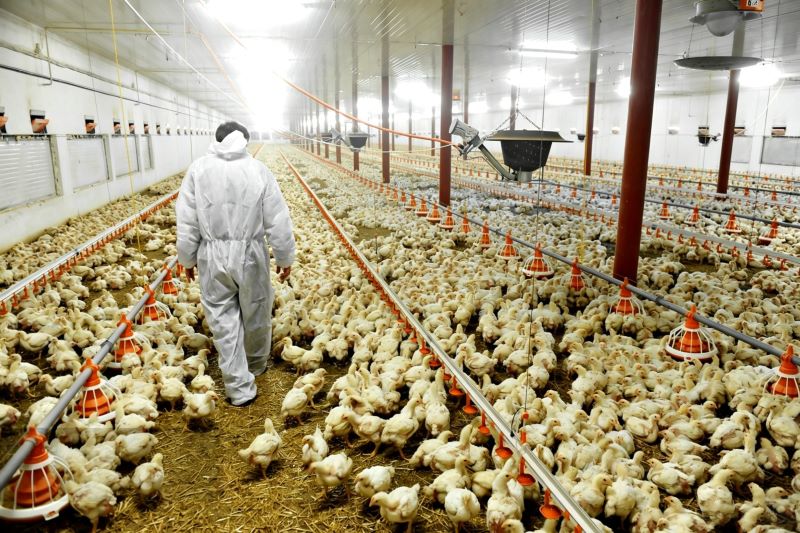
For farms targeting welfare-certified markets, automated floor systems help meet EU and RSPCA standards. The return on investment is compelling: most farms recover costs within 12–24 months through labor, feed, and medication savings. As the industry moves toward cage-free and data-driven production, automated floor rearing is becoming the new standard for sustainable, profitable poultry farming.
Share this:
Other Posts
-
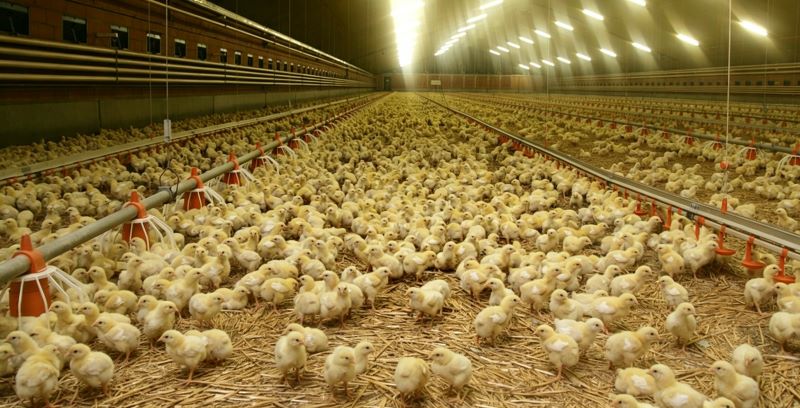
Predictive Climate Control in Poultry Farming: Using Weather Forecast Data to Reduce Heat Stress Risks
Heat stress management is one of the most important challenges in modern poultry production, especially in regions experiencing frequent extreme temperature events. Traditional environmental control systems mainly respond after temperature changes occur, while predictive climate control combines weather forecast data with automated equipment management to improve farm preparedness. A predictive control model uses external weather…
-
Empirical Analysis of the Effect of Sealed Feed Bins on Feed Mold Control
Feed mold contamination is a major concern in poultry farming, leading to nutrient loss and health risks. This study evaluates the effectiveness of sealed feed bins in controlling mold development under practical farm conditions. A comparative trial was conducted over 90 days in two identical broiler houses. House A used conventional open feed storage, while…
-
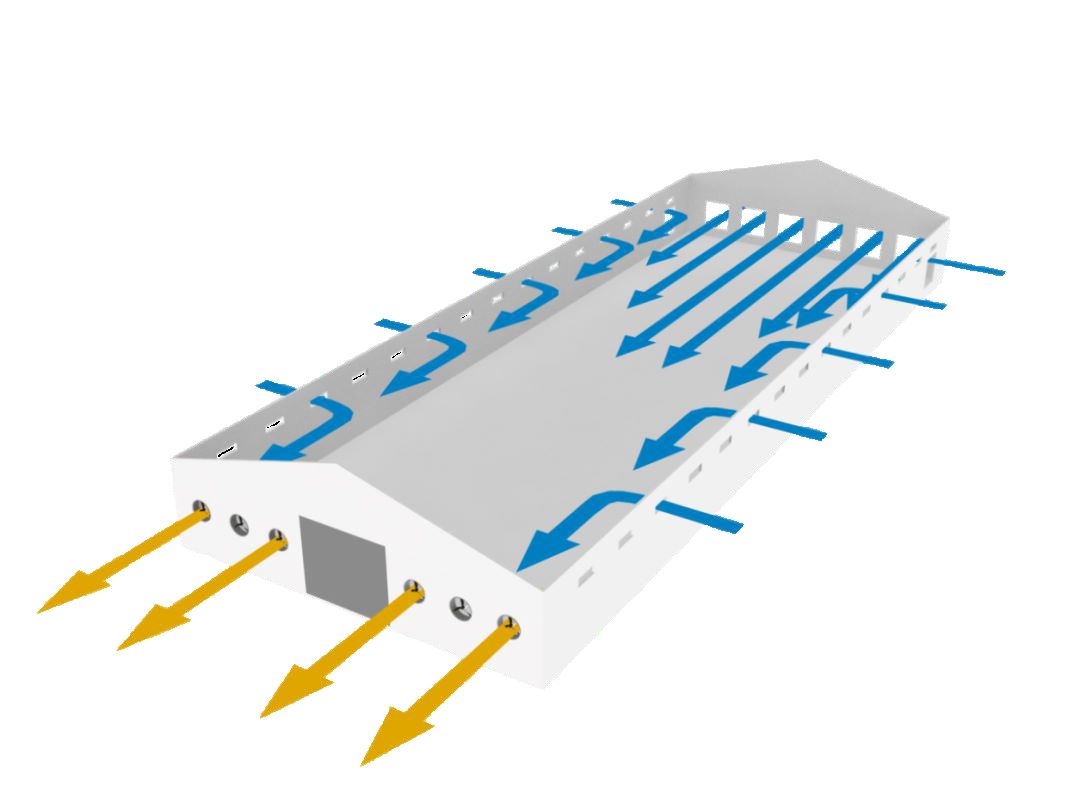
Tunnel Ventilation vs Longitudinal Ventilation in Poultry Houses: How to Select the Right Airflow System for Different Farm Designs
Ventilation system selection is one of the most important factors affecting environmental control efficiency in modern poultry houses. Different house structures, climate conditions, and production scales require different airflow strategies. Among commercial poultry ventilation solutions, tunnel ventilation and longitudinal ventilation are two widely applied systems. Tunnel ventilation works by introducing fresh air from one end…
-
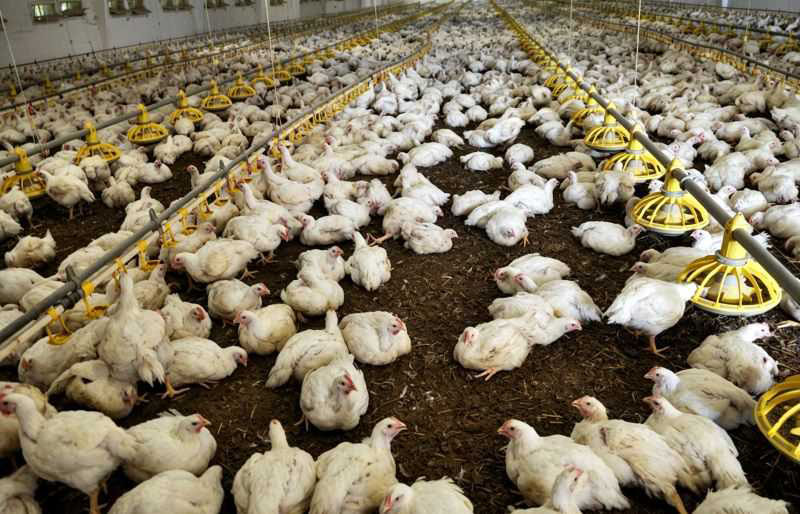
Poultry Farm Automation Trends: Why More Commercial Farms Are Adopting Automated Farming Systems
Poultry farm automation is becoming increasingly relevant as commercial farms seek greater efficiency, consistency, and better resource management. Automated feeding, drinking, ventilation, manure removal, and climate-control systems can reduce repetitive manual work and support more standardized daily operations. However, automation decisions should be based on farm scale, housing design, climate, production objectives, energy use, and…
Product Categories
Subscribe To Product News
Leave your email address and receive our latest product updates