Your cart is currently empty!
+86 15863276370

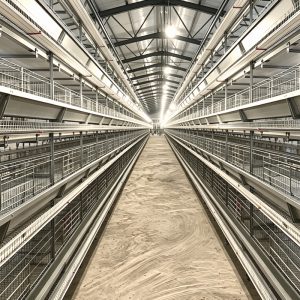
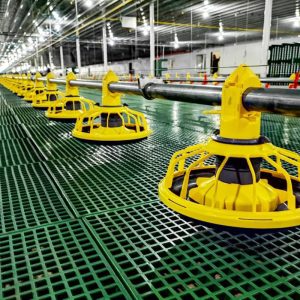
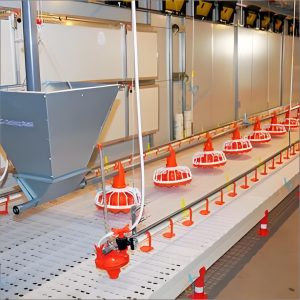
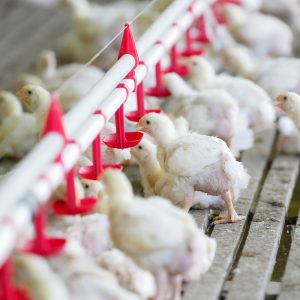
For a 10,000-broiler farm, automation may include automatic feeding and drinking systems, ventilation equipment, environmental controllers, and manure-handling solutions. These systems can simplify routine operations, but their economic benefits should be assessed over the equipment’s expected service life.
The evaluation begins with the initial investment, including equipment, installation, electrical work, and any necessary building modifications. Annual operating costs should then cover electricity, maintenance, replacement parts, and additional labor required for inspection and servicing.
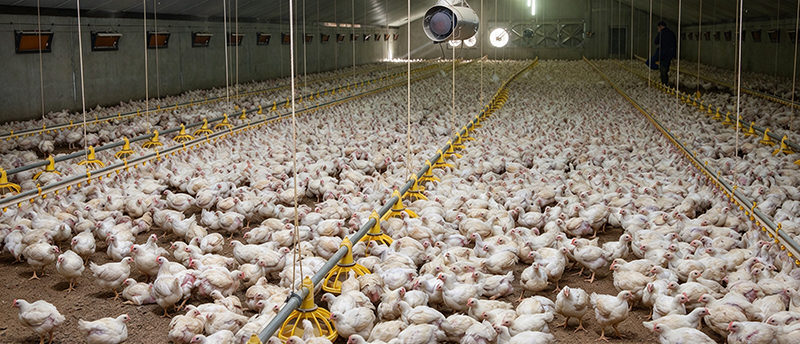
Potential benefits may include reduced manual feeding time, more consistent feed distribution, improved environmental monitoring, and more efficient daily management. These benefits should be measured using actual operating records. Feed savings or changes in mortality should not be assumed without reliable farm data.
A practical model is:
Annual Net Benefit = Verified Operating Savings − Additional Annual Costs
Life-Cycle Net Value = Total Net Benefits Over the Evaluation Period − Initial Investment
Farm owners can also estimate the payback period when annual net benefits are positive. The analysis should consider flock cycles, equipment lifespan, local energy and labor prices, financing costs where relevant, and the time value of money.
For a fair comparison, evaluate manual, partially automated, and fully automated configurations under the same production assumptions. Sensitivity analysis can show how results change when feed prices, labor costs, or maintenance expenses fluctuate.
For commercial broiler producers, automation is worthwhile when measurable long-term benefits justify the total cost and operational requirements. A structured life-cycle analysis provides a more reliable basis for investment decisions than a fixed return-on-investment promise.
Share this:
Other Posts
-
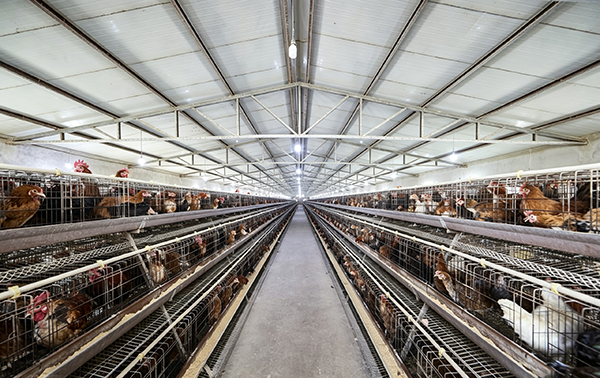
Mold Prevention in Poultry Feeding: How Feed Quality Management Can Reduce Health Risks and Operating Costs
Feed quality is closely related to poultry health and farm management costs. Poor storage conditions can increase moisture and mold risk, potentially affecting feed quality and flock performance. A preventive feeding strategy can help reduce avoidable losses, although the actual economic impact depends on farm conditions and disease management.
-
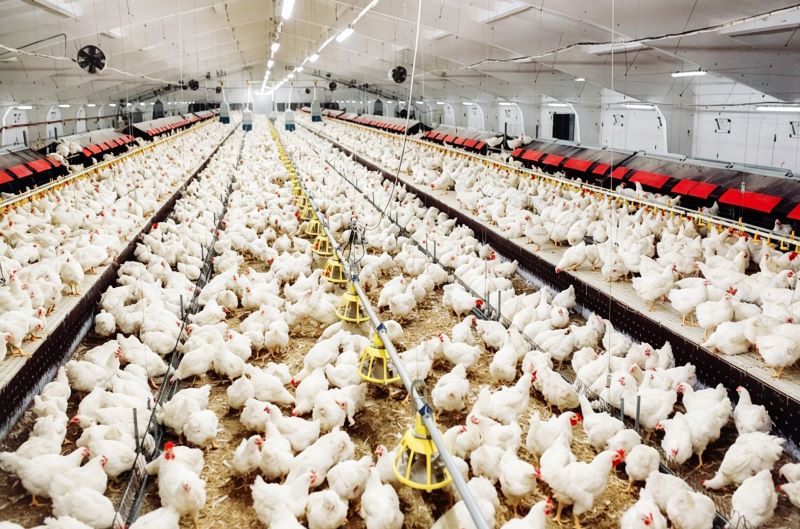
Smart Monitoring Systems in Poultry Farming: Efficiency Improvements and Operational Mechanisms
Smart monitoring systems are increasingly used in modern poultry farming to improve production efficiency, environmental stability, and overall flock performance. In commercial broiler production environments, integrated monitoring solutions have been associated with productivity improvements of approximately 20–34%, depending on farm scale, equipment configuration, and management practices. The main mechanism behind this improvement is real-time environmental…
-
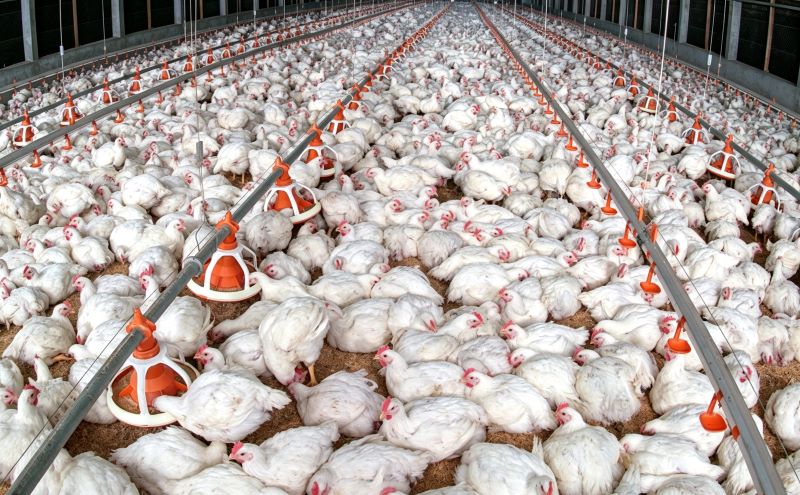
Poultry House Cooling Sequence During Extreme Heat: When to Start Tunnel Fans and Evaporative Cooling Pads
Extreme heat requires a coordinated cooling strategy in poultry houses. A staged approach generally begins with increased tunnel ventilation to remove accumulated heat and improve air movement. Evaporative cooling pads can then be introduced when ventilation alone is insufficient, provided that humidity and airflow conditions are suitable. During severe heat, fans and cooling pads can…
-
Global Broiler Equipment Market to Reach $6.87 Billion by 2035
The global broiler farming equipment market is expanding steadily. Valued at $4.18 billion in 2025, it is projected to grow to $6.87 billion by 2035, driven by rising poultry consumption and farm automation. Key growth factors include labor shortages in developed regions, stricter animal welfare regulations favoring floor rearing systems, and climate‑resilient technologies such as…
Product Categories
Subscribe To Product News
Leave your email address and receive our latest product updates