Your cart is currently empty!
+86 15863276370

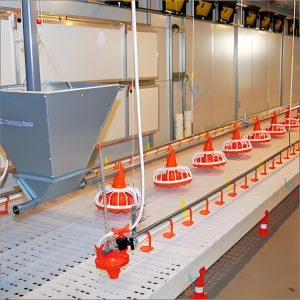
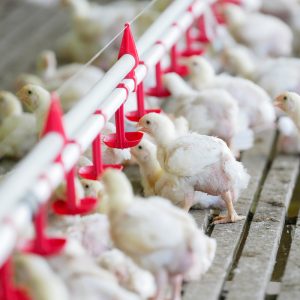
The global broiler farming equipment market is expanding steadily. Valued at $4.18 billion in 2025, it is projected to grow to $6.87 billion by 2035, driven by rising poultry consumption and farm automation.
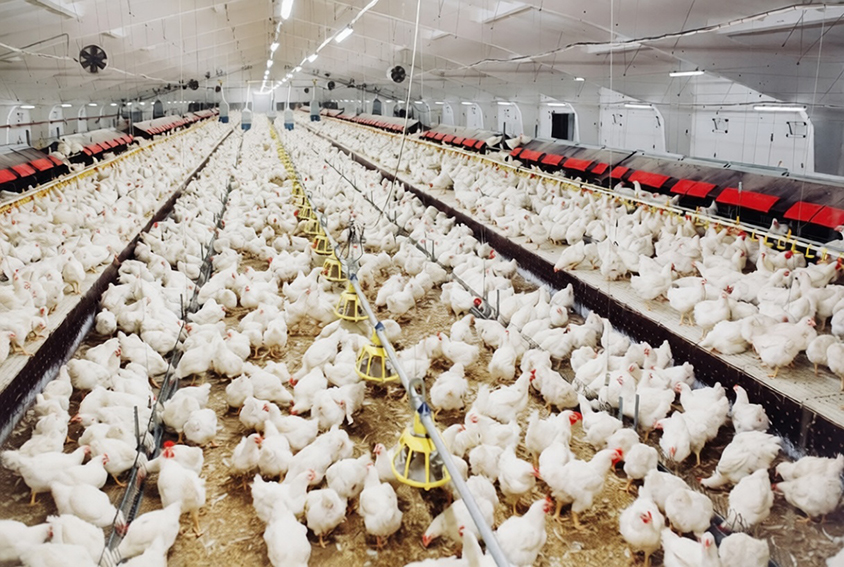
Key growth factors include labor shortages in developed regions, stricter animal welfare regulations favoring floor rearing systems, and climate‑resilient technologies such as tunnel ventilation and evaporative cooling. Asia‑Pacific and the Middle East are expected to see the fastest adoption, fueled by scaling commercial farms and government food security programs.
Automated feeding, drinking, and environmental control systems will capture increasing market share as producers seek efficiency and biosecurity. This decade‑long expansion offers significant opportunities for equipment suppliers focusing on smart, cost‑effective solutions.
Share this:
Other Posts
-
Manual Feeding vs Precision Feeding Systems in Poultry Farming: Efficiency, Cost, and Feed Conversion Comparison
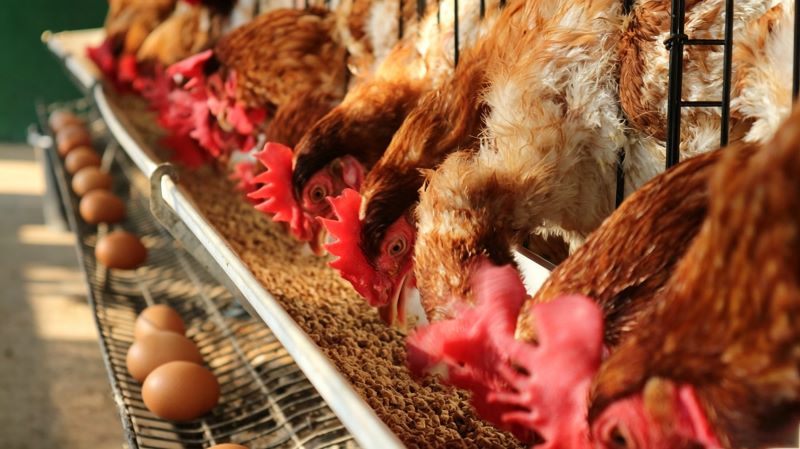
Feed management is one of the most critical factors affecting productivity and cost efficiency in poultry farming. Traditionally, manual feeding has been widely used due to its simplicity and low initial investment. However, with the development of automation technology, precision feeding systems are increasingly replacing manual operations in modern poultry houses. Manual feeding relies heavily…
-
Heat Stress Management in Tropical and Subtropical Poultry Farms: Cooling Strategies, Feeding Adjustment, and Stocking Density Optimization
Heat stress is a major challenge for poultry production in tropical and subtropical regions, especially during periods of abnormal temperature increases. This article analyzes the effects of heat stress on broiler feed intake, growth performance, and farm management efficiency. It discusses practical strategies including evaporative cooling systems, ventilation improvement, stocking density adjustment, and feeding schedule…
-
From Experience to AI: The Evolution of Environmental Control in Floor-Rearing Houses
Traditional poultry farming relied heavily on grower experience and manual judgment. Today, AI-driven environmental control systems are transforming this approach . Recent research demonstrates significant breakthroughs. Scientists have developed predictive models like EMD-LSTM-Attention that forecast house temperature with a mean absolute percentage error as low as 0.76%, enabling proactive rather than reactive climate management .…
-
Poultry Fan Noise Suddenly Increases? 3-Step Troubleshooting Guide
A sudden increase in poultry fan noise can indicate problems with blades, bearings, motors, or mounting components. This article provides a three-step inspection method covering fan blades, moving components, and installation structures. Regular cleaning and maintenance can help identify abnormal vibration and mechanical problems early. Safe power isolation is essential before inspection, while electrical and…
Product Categories
Subscribe To Product News
Leave your email address and receive our latest product updates