Your cart is currently empty!
+86 15863276370

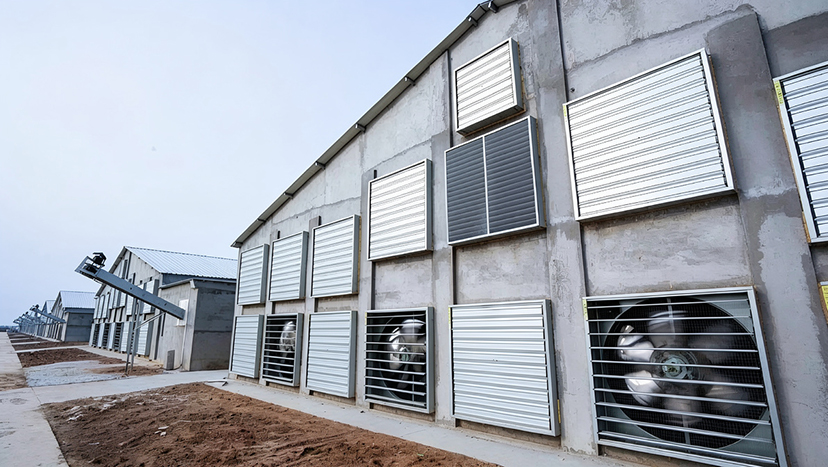
Environmental control systems are critical for poultry house performance. Unplanned fan or sensor failures during heat waves can cause catastrophic losses. A preventive maintenance strategy significantly reduces this risk.
Key elements include: scheduled inspections of fans, motors, and belts every 500 operating hours; calibration checks for temperature and humidity sensors monthly; and cleaning of cooling pad filters before each hot season.
Equally important is a well‑designed spare parts inventory. Critical components—such as drive belts, fan motors, control boards, and water pumps—should be kept on‑site based on failure frequency analysis. A minimum stock level ensures immediate replacement without waiting for delivery.
Integrating maintenance schedules with digital tracking tools allows farms to predict component lifespans and plan replacements proactively. This approach cuts unplanned downtime by over 60% and extends equipment life, securing bird welfare and farm profitability.
Share this:
Other Posts
-
How does precision feeding in automated poultry farming systems save money?
Manual feeding in broiler houses often leads to uneven feed distribution and significant waste—up to 10% of total feed. Automated feeding systems solve this with precision. Using sensors and timers, they deliver exact portions based on bird age and weight, ensuring consistent intake across the flock. This accuracy reduces feed waste by 5–10%, directly cutting…
-
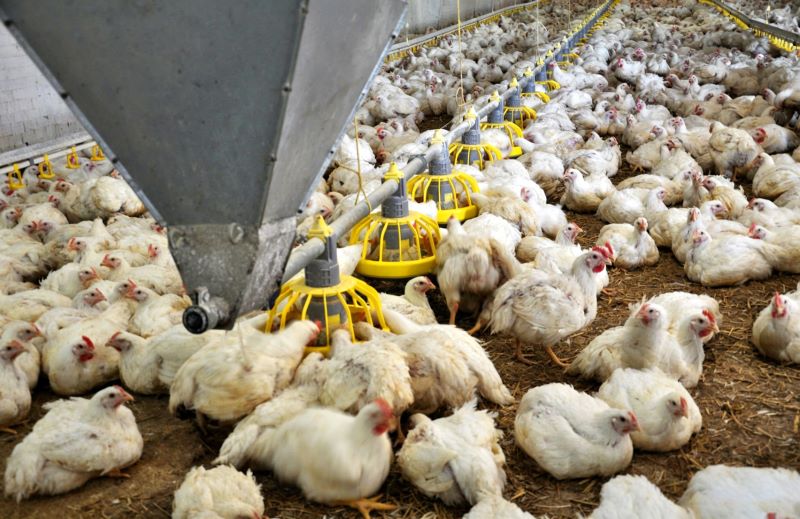
Quantifying Feed Waste in Manual Poultry Feeding: Spillage, Mold Contamination, and Feed Refusal Analysis
Feed efficiency is a critical factor in determining the profitability of commercial poultry production. In manual feeding systems, feed waste is often underestimated, yet it can significantly impact operational costs. This article provides a quantitative breakdown of three major feed loss channels: spillage, mold contamination, and feed refusal. Spillage is one of the most visible…
-
What’s the Payback Gap? An Empirical ROI Comparison of Semi‑Automated vs. Fully Automated Floor Rearing Equipment
This study compares payback periods for semi‑automated (auto feeders only) and fully automated (feeders + ventilation + manure removal) floor rearing systems in a 10,000‑bird house. Semi‑automated equipment costs $8,000–$10,000, saving 70% of feeding labor and 5% of feed waste. Fully automated systems cost $25,000–$30,000 but eliminate 90% of labor and reduce feed waste by…
-
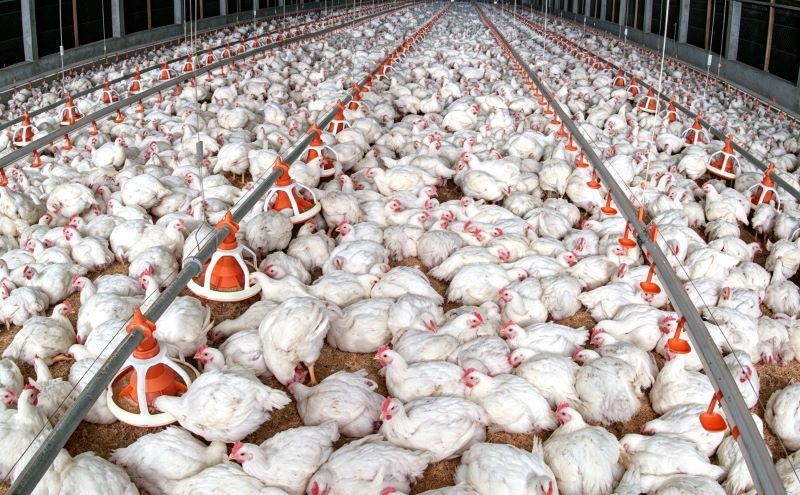
Poultry House Cooling Sequence During Extreme Heat: When to Start Tunnel Fans and Evaporative Cooling Pads
Extreme heat requires a coordinated cooling strategy in poultry houses. A staged approach generally begins with increased tunnel ventilation to remove accumulated heat and improve air movement. Evaporative cooling pads can then be introduced when ventilation alone is insufficient, provided that humidity and airflow conditions are suitable. During severe heat, fans and cooling pads can…
Product Categories
Subscribe To Product News
Leave your email address and receive our latest product updates