Your cart is currently empty!
+86 15863276370

During El Niño events, heavy rainfall or prolonged drought alter housing microclimates, affecting disease risks differently in open-sided and closed poultry houses.
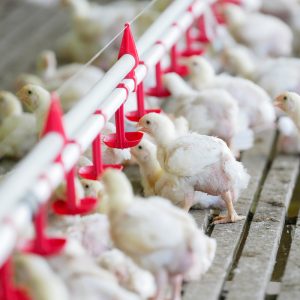
In open-sided houses, heavy rainfall increases litter moisture and ammonia levels, promoting coccidiosis and pododermatitis. Dry conditions increase airborne dust, irritating the respiratory tract and increasing the incidence of colibacillosis.
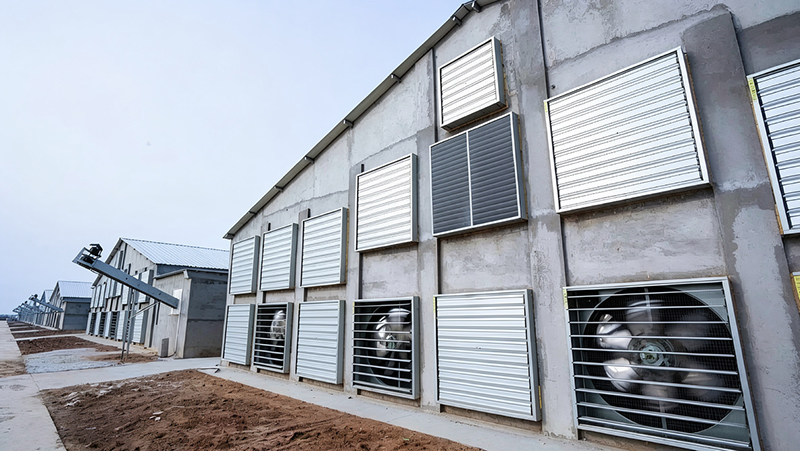
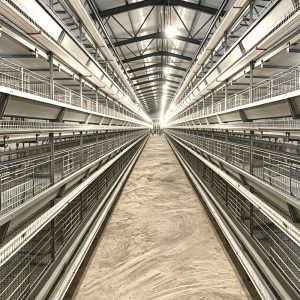
Closed houses with mechanical ventilation can better control humidity; however, power outages during storms can lead to rapid ammonia buildup. During drought, air recirculation may concentrate pathogens, increasing the risk of viral respiratory diseases.
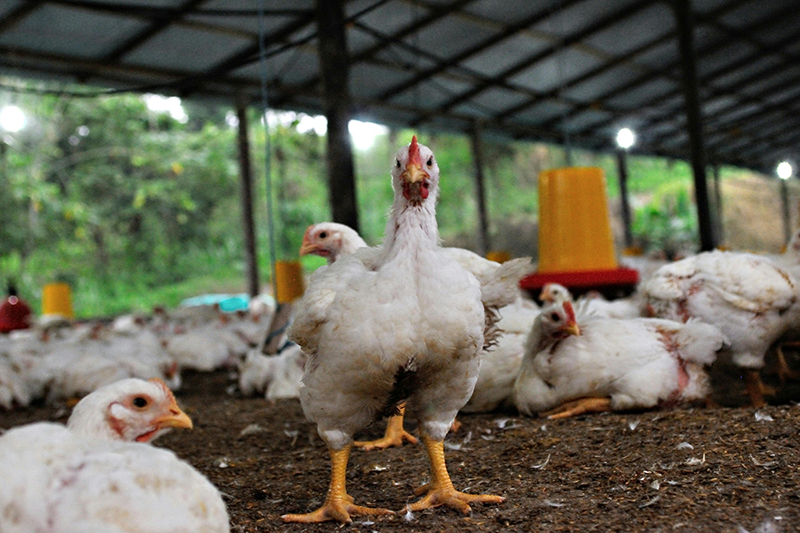
To mitigate these risks, in open houses during wet periods, litter turning should be increased and ridge ventilation should be installed. During dry periods, misting systems can be used to reduce dust levels. For closed houses, backup generators and ammonia sensors integrated with exhaust fan control systems are recommended. Cleaning schedules should also be adjusted based on rainfall forecasts. These targeted measures can reduce disease incidence under El Niño extremes.
Share this:
Other Posts
-
Variable-Frequency Fans and Multi-Stage Cooling Linkage Control: Response Mechanism of Smart Environmental Control Systems to Extreme Heat
Extreme heat events threaten poultry health and productivity. Smart environmental control systems employ variable-frequency fans (VFFs) and multi-stage cooling linkage to respond effectively. VFFs automatically adjust speed based on real-time temperature, providing low airflow during mild heat and maximum speed during heatwaves. This saves energy while maintaining bird comfort. Multi-stage cooling activates sequentially: first, tunnel…
-
Global Poultry Industry Labor Shortage: Impact on Costs and Farm Operations Across Major Regions
Labor shortages have become a critical challenge in the global poultry industry, particularly across Europe, the Middle East, and Southeast Asia. The main drivers include population aging, declining interest among younger generations in agricultural work, and increasingly strict immigration policies that limit access to foreign labor. In Europe, many farms face difficulty replacing retiring workers,…
-
EU’s 2027 Cage Ban: How Long Will the Policy-Driven Boom for Floor Rearing Equipment Last?
The EU will ban conventional cages for laying hens and broilers by 2027. This regulation forces farms to switch to cage‑free systems, primarily floor rearing and aviaries. Consequently, demand for floor rearing equipment—feeders, drinkers, litter management, and ventilation—has surged. Market analysts estimate that the transition affects over 300 million hens in Europe alone. Replacement cycle…
-
Optimizing Litter Depth and Turning Frequency: A Litter Management Strategy to Reduce Microbial Fermentation Heat
Litter moisture and microbial activity generate heat inside poultry houses, increasing bird heat stress and ammonia emissions. This study examines how adjusting litter depth and turning frequency can mitigate fermentation heat. Deep litter (over 15 cm) insulates and promotes anaerobic zones, raising core temperature. Shallow litter (below 5 cm) dries quickly but fails to absorb…
Product Categories
Subscribe To Product News
Leave your email address and receive our latest product updates