Your cart is currently empty!
+86 15863276370

Labor shortages have become a critical challenge in the global poultry industry, particularly across Europe, the Middle East, and Southeast Asia. The main drivers include population aging, declining interest among younger generations in agricultural work, and increasingly strict immigration policies that limit access to foreign labor.
In Europe, many farms face difficulty replacing retiring workers, leading to higher wage competition and increased reliance on automation. In the Middle East, rapid industry expansion combined with limited local labor supply has significantly raised recruitment costs. In Southeast Asia, although labor is relatively abundant, rural-to-urban migration is reducing the availability of skilled farm workers.
The impact of labor shortages is both measurable and structural. Many poultry farms report a 15–40% increase in recruitment difficulty compared to five years ago. At the same time, average labor costs have risen by 10–25% annually in high-demand regions. This directly increases production expenses and reduces profit margins.
Operational risks are also becoming more pronounced. Insufficient staffing often leads to delayed feeding, inconsistent environmental control, and lower biosecurity standards, which can negatively affect flock performance and survival rates. In large-scale farms, even small disruptions in labor availability may cause cascading production inefficiencies.
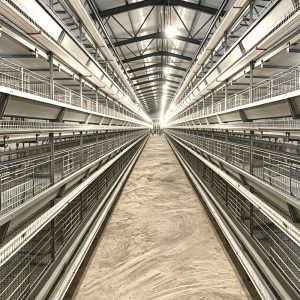
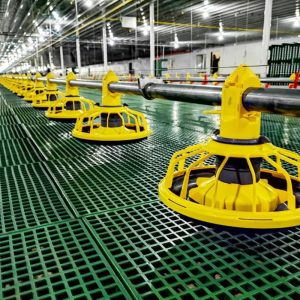
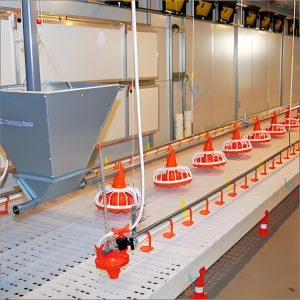
As a result, the industry is increasingly turning to automation solutions such as automatic feeding systems, ventilation control, and centralized management platforms. These technologies help reduce dependency on manual labor while improving consistency and efficiency.
Overall, labor shortages are reshaping the global poultry industry. Companies that invest early in automation and integrated equipment systems are better positioned to maintain stability, reduce risks, and achieve long-term competitiveness.
Share this:
Other Posts
-
How Do Poultry House Cooling Pads and Exhaust Fans Work? Understanding Evaporative Cooling in Summer
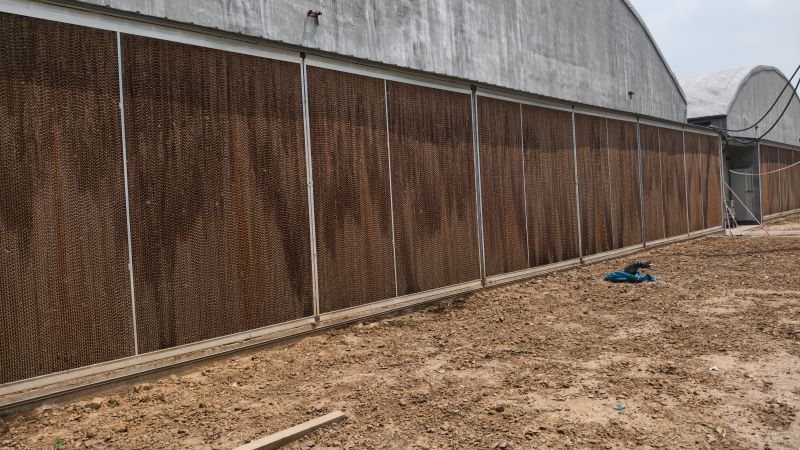
Keeping poultry houses within a suitable temperature range during summer is an important part of environmental management. A combination of evaporative cooling pads and exhaust fans is widely used because the two systems work together to move and cool incoming air. The process begins with the exhaust fans. By removing hot air from the house,…
-
Sensor and Timer-Driven Precision Feeding: How Automated Systems Control Feed Waste
Traditional feeding often creates a dilemma: underfeeding some birds while overfeeding others. Automated feeding systems solve this through sensor and timer integration. Sensors monitor feed levels in pans and detect bird activity patterns. When combined with timers programmed for specific feeding schedules, the system delivers precise portions at optimal times. This ensures feed is always…
-
From Design to Implementation: A Practical Guide to Biosecurity Layout for Floor Rearing Farms
Effective biosecurity starts with a clear layout. Separate clean and dirty zones clearly. The entry point should include a changing room, footbath, and hand sanitizer. Place sealed fences around the farm to prevent wild birds and rodents from entering. Design a one-way flow: workers move from office to changing room to house, never backward. Vehicles…
-
Managing Ammonia Emissions in Poultry Farms During El Niño: Practical Strategies for Waste and Odor Control
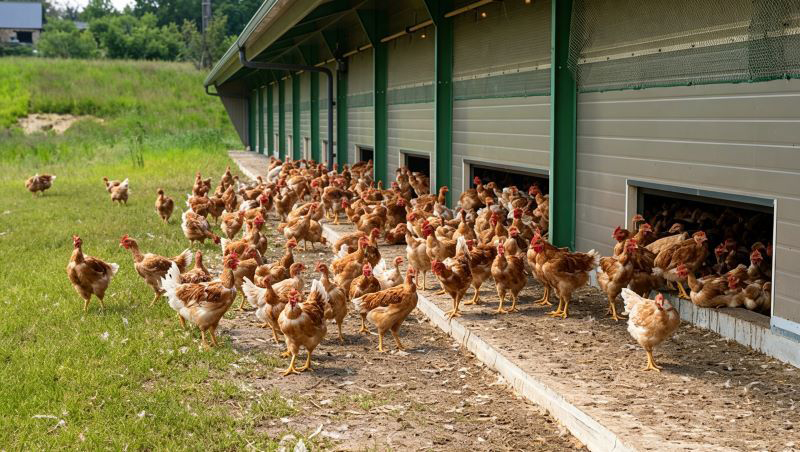
El Niño-related climate variability may create warmer or more humid conditions in some poultry-producing regions, increasing challenges in manure and ammonia management. This article examines practical approaches including automated manure removal, ventilation management, moisture control, and odor-treatment options. The effectiveness of each measure depends on local climate, poultry house design, manure characteristics, and operating practices.…
Product Categories
Subscribe To Product News
Leave your email address and receive our latest product updates