Your cart is currently empty!
+86 15863276370

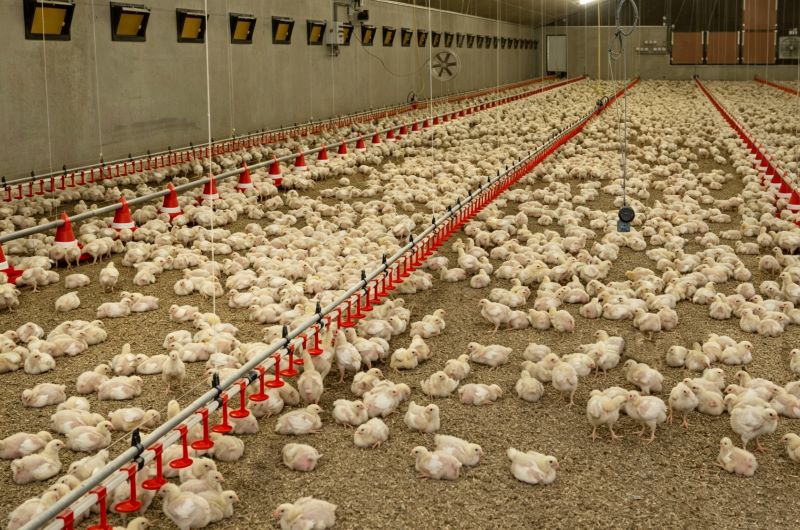
Climate variability has become an important consideration in modern poultry production. During El Niño events, some temperate regions may experience unusual temperature increases, changes in humidity patterns, and abnormal precipitation conditions. These environmental changes can influence poultry house temperature stability, ventilation requirements, and overall climate management strategies.
Higher-than-normal temperatures during El Niño periods can increase heat load inside broiler houses, especially during peak daytime hours. Increased humidity may reduce the efficiency of evaporative cooling systems and affect birds’ ability to release body heat. In addition, extreme rainfall events can create challenges related to moisture control, litter quality, and indoor air management.
To adapt to these changing conditions, poultry farms can improve environmental control through upgraded ventilation systems and intelligent management strategies. Increasing fan capacity, optimizing air inlet design, and improving airflow distribution can help maintain more stable internal conditions. During high-temperature periods, the coordinated operation of evaporative cooling pads and ventilation fans can enhance cooling efficiency while reducing heat stress risks.
Environmental monitoring systems also play an important role in adaptive management. Real-time monitoring of temperature, humidity, and air quality allows farmers to adjust equipment operation according to actual house conditions rather than relying only on fixed settings.
The effectiveness of climate control strategies depends on multiple factors, including poultry house structure, insulation performance, stocking density, local climate characteristics, and equipment configuration. Therefore, El Niño adaptation requires an integrated approach combining building design, ventilation technology, cooling systems, and daily management practices.
As climate uncertainty increases, flexible environmental control solutions will become increasingly important for sustainable poultry production. By improving ventilation efficiency and implementing coordinated cooling strategies, broiler farms can better maintain stable production conditions under changing weather patterns.
Share this:
Other Posts
-
Synergistic Optimization of Cooling Pad Expansion and Water Quality Management: Strategies for Improving Evaporative Cooling Efficiency in Hot and Humid Regions
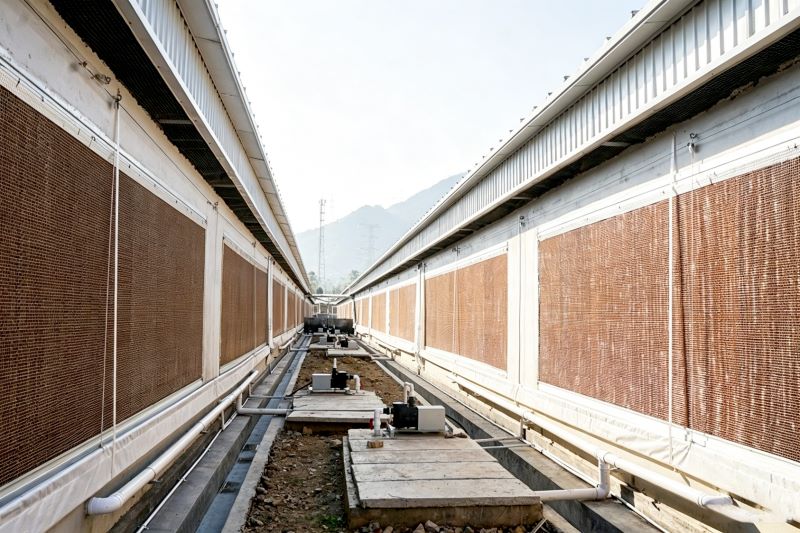
In tunnel-ventilated poultry houses, evaporative cooling pad performance directly impacts bird welfare and productivity during summer. Two critical factors determine system effectiveness: proper pad sizing and water quality management. Pad Sizing Principles Pad area should be determined by total tunnel fan capacity, not house dimensions. Industry standard recommends one square foot of six-inch pad for…
-
Reducing Floor Egg Rate in Poultry Farming: Nest Box Selection and Management Strategy for Performance Optimization
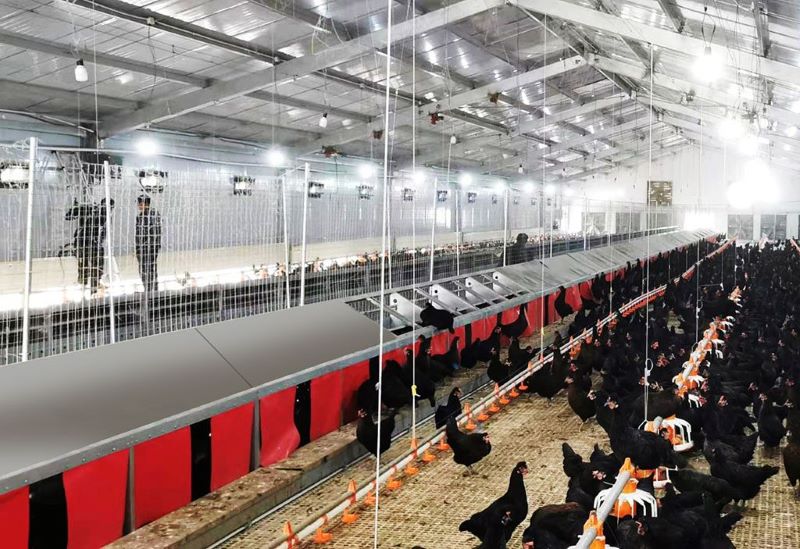
Floor egg rate is an important performance indicator in layer poultry production, directly affecting egg collection efficiency, hygiene control, and overall farm profitability. In commercial operations, reducing floor eggs from 8% to 2% requires both proper nest box selection and systematic management strategies. Nest box design is the first critical factor. Appropriate size, entrance height,…
-
Adjusting Vaccination Programs in Hot Seasons – Timing and Stress Control Strategies Backed by Field Data
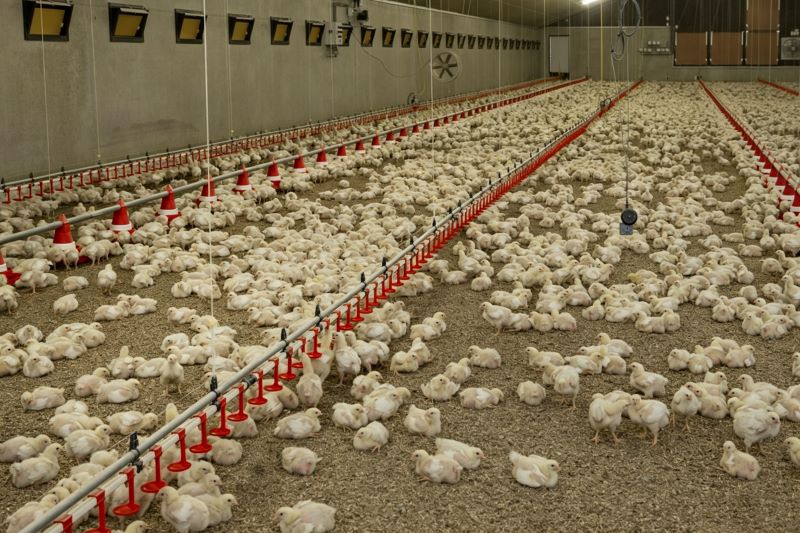
High temperatures don’t just affect bird comfort – they also impact vaccine effectiveness. Heat stress elevates corticosterone levels, which can suppress immune responses. Vaccinating during peak heat may add extra stress, reducing antibody production and increasing disease risk. Our field study on 50,000 broilers compared two vaccination schedules: morning (8–10 AM, temperature <26°C) vs. midday…
-
How to Choose Your Poultry System
How to Choose the Right Poultry Farming System and Equipment Selecting the right farming method and equipment starts with evaluating your farm scale, climate conditions, and target market. Floor rearing is suitable for welfare-focused farms, offering lower initial investment, easier all-in/all-out sanitation management, and relatively simple litter handling. Cage systems maximize stocking density but face…
Product Categories
Subscribe To Product News
Leave your email address and receive our latest product updates