Your cart is currently empty!
+86 15863276370

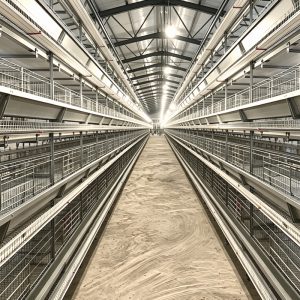
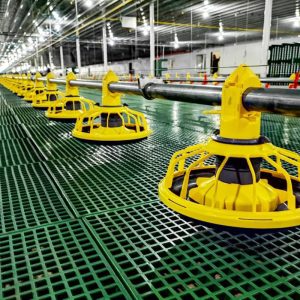
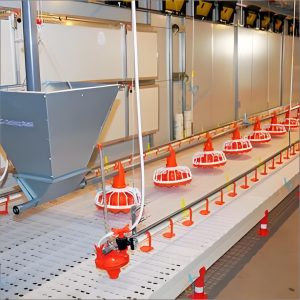
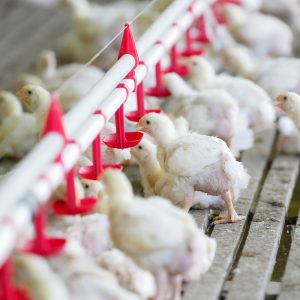
A modern automatic poultry feeding system typically combines mechanical equipment with basic control technology. The main objective is to deliver feed at appropriate times while maintaining a stable supply across the house.
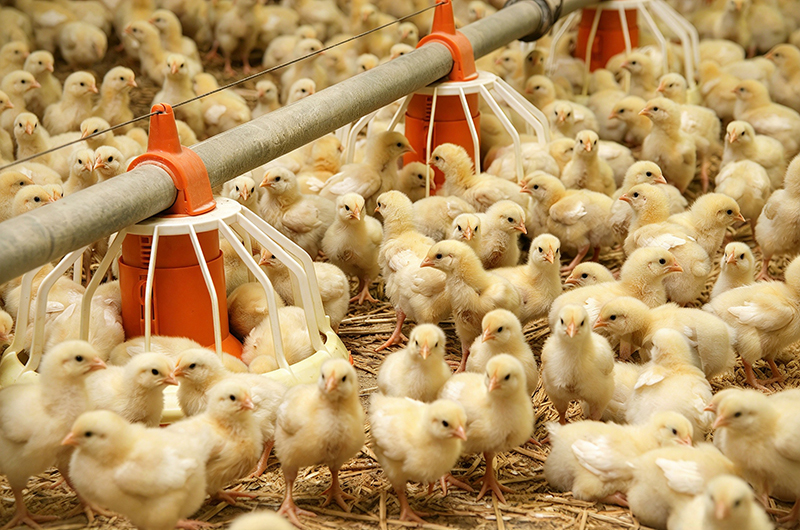
A timer provides the scheduling function. It can control when the feeding system starts and stops according to a preset program. This helps organize feeding cycles and reduces the need for workers to manually start equipment at every feeding period.
Sensors provide information about the operating condition of the system. Depending on the equipment configuration, sensors may monitor feed levels, motor operation, or other relevant parameters. When sensor signals are connected to a controller, the system can respond to changing conditions instead of relying only on a fixed schedule.
The two technologies therefore have different but complementary roles. The timer determines when feeding should occur, while sensors can help determine whether the system has the required feed supply or operating condition.
For example, a control system can start a feeding cycle at a scheduled time and use a feed-level sensor to monitor the availability of feed. If the system detects an abnormal condition, an alarm or control response can help reduce unnecessary operation or alert farm personnel.
However, precision feeding does not mean that feed is automatically adjusted to an exact amount for every bird. Actual feed requirements vary with age, breed, production stage, environmental conditions, and flock performance.
For poultry farms, combining scheduled control with real-time monitoring can make feeding operations more consistent, measurable, and easier to manage. The final performance still depends on proper equipment selection, calibration, maintenance, and flock management.
Share this:
Other Posts
-
How Sensors and Timers Enable Precision Feeding in Poultry Farms: Understanding Automatic Feed Distribution
Precision feeding in poultry farming is not simply about delivering feed automatically. It involves controlling when feed is supplied and monitoring whether the feeding system meets the flock’s requirements. By combining sensors, timers, controllers, and mechanical feeding equipment, farms can create a more consistent and manageable feed distribution process.
-
Equipment + Service” Model: The Next Growth Driver in Biosecurity Equipment Market
As disease outbreaks become more frequent, poultry farms are shifting from buying standalone biosecurity equipment to seeking integrated solutions. The “equipment + service” model is emerging as a key growth driver in this space. This model combines hardware—such as automated disinfection channels, air filtration systems, and smart access controls—with value-added services like biosecurity audits, sanitation…
-
Adjusting Vaccination Programs in Hot Seasons – Timing and Stress Control Strategies Backed by Field Data
High temperatures don’t just affect bird comfort – they also impact vaccine effectiveness. Heat stress elevates corticosterone levels, which can suppress immune responses. Vaccinating during peak heat may add extra stress, reducing antibody production and increasing disease risk. Our field study on 50,000 broilers compared two vaccination schedules: morning (8–10 AM, temperature <26°C) vs. midday…
-
Professional Broiler Breeding Equipment, Boosting Efficient Farming
As a professional manufacturer of broiler breeding equipment, we are committed to providing advanced layer-stacked broiler cage systems for farmers. Our products are made of high-quality hot-dip galvanized steel with a service life of over 15 years, featuring corrosion resistance and anti-aging properties to ensure long-term stable operation. Core Advantages: Our equipment adopts a frame…
Product Categories
Subscribe To Product News
Leave your email address and receive our latest product updates