Your cart is currently empty!
+86 15863276370

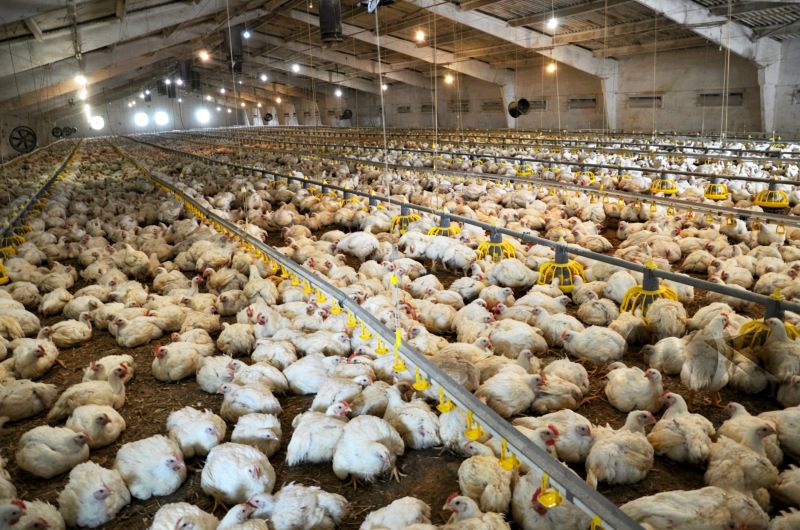
Traditional broiler management often relies on routine inspections and action after visible problems appear. A data-driven approach adds continuous monitoring, helping farm staff identify unusual changes before they become more serious.
Environmental monitoring is an important starting point. Sensors can track temperature, relative humidity, and, where suitable equipment is installed, other air-quality indicators. When readings move outside farm-specific operating ranges, an alarm or climate controller can prompt staff to inspect ventilation, cooling equipment, or heating systems.
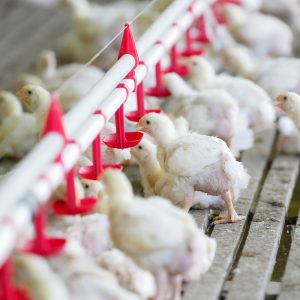
Production data provides another layer of information. Daily records of feed and water consumption, body weight, mortality, and flock behavior can reveal changes that may require investigation. For example, an unexpected drop in water intake may indicate equipment problems or a potential health concern. It is a warning signal, not a diagnosis, and should be assessed alongside other observations.
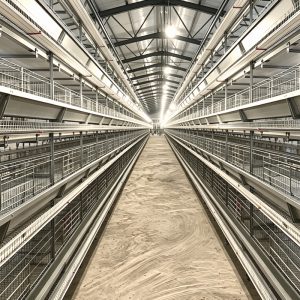
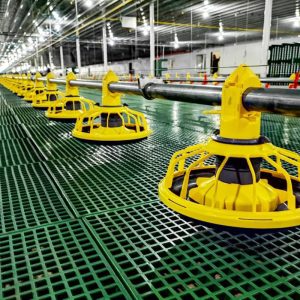
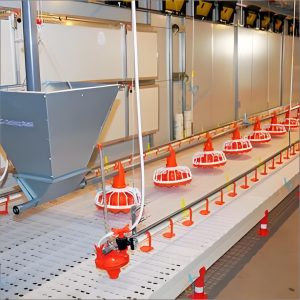
Automated equipment can support a timely response. Environmental controllers may adjust fans, inlets, or cooling systems according to configured parameters, while monitoring systems can notify staff when abnormal conditions occur. Reliable sensors, appropriate alarm settings, and regular equipment maintenance are essential for useful results.
Importantly, no single sensor or data pattern can reliably explain every cause of illness or mortality. Veterinary assessment, vaccination programs, biosecurity, nutrition, ventilation, and daily flock inspections remain essential parts of responsible broiler management.
For commercial poultry farms, combining accurate records with automated environmental control can strengthen early-warning procedures and support more informed decisions. Its value should be evaluated through actual farm data, including health outcomes, production performance, and operating conditions—not through an assumed reduction in mortality.
Share this:
Other Posts
-
All-In, All-Out, Complete Sanitization: Why Floor Rearing Systems Achieve Disease Elimination
Floor rearing systems offer a distinct advantage in disease control through the all-in, all-out management model. Unlike cage systems where birds remain in place across cycles, floor houses allow complete depopulation between flocks. This empty period enables thorough cleaning of every surface—walls, floors, feeders, and drinkers. Without cages obstructing access, disinfectants reach all areas, eliminating…
-
Empirical Analysis of 5–10% Feed Savings in a 10,000-Broiler Farm
Feed cost accounts for the largest proportion of expenses in broiler farming, making efficiency improvements highly valuable. This study presents an empirical analysis of achieving 5–10% feed savings in a 10,000-broiler farm through optimized management and automated equipment. The research focuses on the application of precision feeding systems, uniform feed distribution, and reduced feed wastage.…
-
Global Cage-Free Poultry Equipment Market Outlook 2026–2030: Growth Opportunities in the Middle East and Southeast Asia
The global poultry industry is entering a new stage of modernization, with increasing demand for efficient, automated, and sustainable farming solutions. This article analyzes the development opportunities of cage-free poultry equipment markets from 2026 to 2030, focusing on the Middle East and Southeast Asia. It explores regional differences in production needs, climate challenges, labor conditions,…
-
Impact of El Niño on Poultry Immunity and Vaccination Programs in Temperate and Tropical Regions
El Niño events cause abnormal temperature and humidity fluctuations, which directly affect poultry immune responses. In tropical zones, prolonged heat and humidity can suppress vaccine efficacy by increasing stress hormone levels and reducing antibody production. In temperate regions, sudden warming or unseasonable cold may disrupt the stability of vaccine storage and administration, leading to uneven…
Product Categories
Subscribe To Product News
Leave your email address and receive our latest product updates