Your cart is currently empty!
+86 15863276370

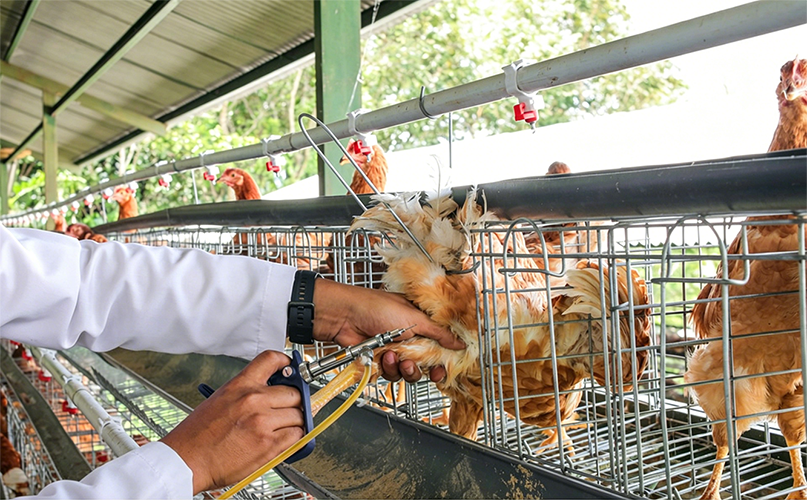
El Niño events cause abnormal temperature and humidity fluctuations, which directly affect poultry immune responses. In tropical zones, prolonged heat and humidity can suppress vaccine efficacy by increasing stress hormone levels and reducing antibody production. In temperate regions, sudden warming or unseasonable cold may disrupt the stability of vaccine storage and administration, leading to uneven immune protection.
Moreover, El Niño shifts the seasonal patterns of common poultry diseases. For example, wetter conditions may extend the prevalence of coccidiosis or respiratory infections, altering the traditional vaccination calendar.
To address these challenges, region‑specific adjustments to immunization programs are necessary. In tropical areas, increasing vaccine doses or shortening intervals between vaccinations can help maintain protection. In temperate zones, flexible vaccine storage protocols and timing vaccination before predicted climate swings are recommended. Regular monitoring of environmental parameters and antibody titers should be integrated into farm management. Adaptive immunization strategies are essential to sustain flock health under El Niño‑induced climate variability.
Share this:
Other Posts
-
ROI Analysis of Precision Feeding Systems in Poultry Farming: How Smart Feeding Improves Feed Efficiency and Operational Performance
Precision feeding systems are becoming increasingly important in modern poultry production as farms seek better feed efficiency and more standardized management. This article analyzes the investment value of precision feeding technology by examining its impact on feeding accuracy, feed utilization, labor requirements, and operational efficiency. The ROI of such systems depends on factors including farm…
-
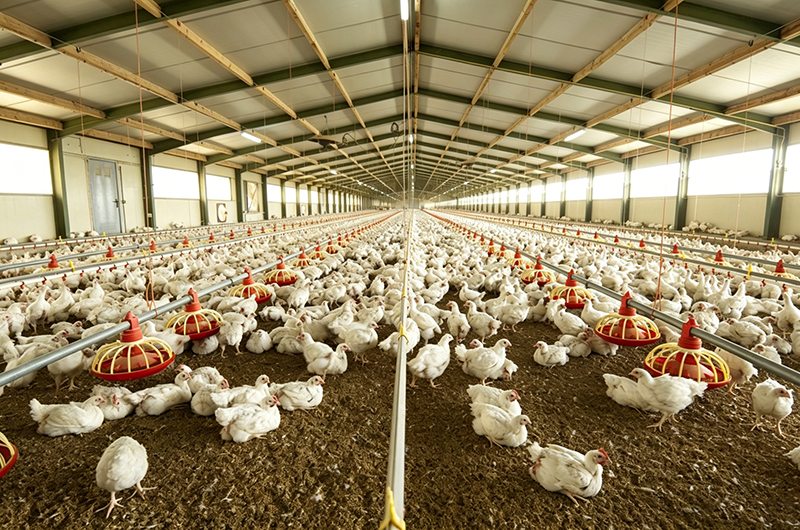
Modern Poultry Farming Equipment: 2026 Global Trends & Market Growth
Explore how modern poultry farming equipment transforms broiler farms. Automated feeding, AI monitoring, EU cage ban, and market forecast to 2030. Read more.
-
Global Broiler Equipment Market to Reach $6.87 Billion by 2035
The global broiler farming equipment market is expanding steadily. Valued at $4.18 billion in 2025, it is projected to grow to $6.87 billion by 2035, driven by rising poultry consumption and farm automation. Key growth factors include labor shortages in developed regions, stricter animal welfare regulations favoring floor rearing systems, and climate‑resilient technologies such as…
-
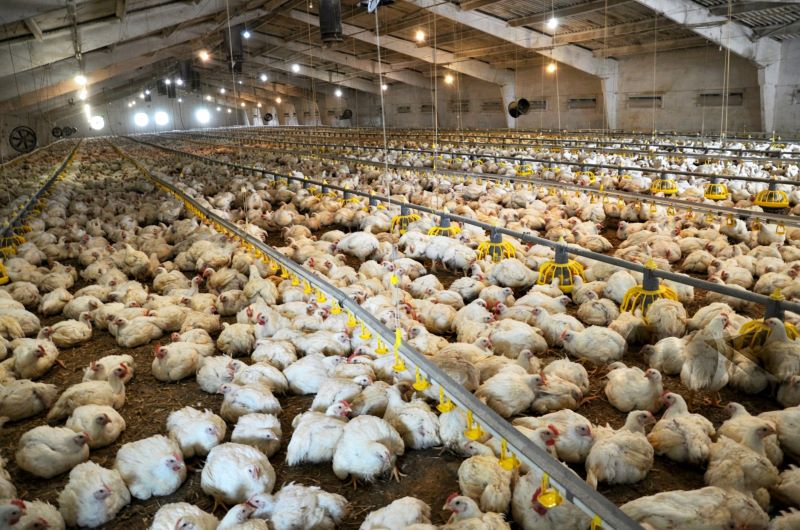
Global Cage-Free Poultry Equipment Market Outlook 2026–2030: Growth Opportunities in the Middle East and Southeast Asia
The global poultry industry is entering a new stage of modernization, with increasing demand for efficient, automated, and sustainable farming solutions. This article analyzes the development opportunities of cage-free poultry equipment markets from 2026 to 2030, focusing on the Middle East and Southeast Asia. It explores regional differences in production needs, climate challenges, labor conditions,…
Product Categories
Subscribe To Product News
Leave your email address and receive our latest product updates