Your cart is currently empty!
+86 15863276370

The global poultry industry is undergoing a transformation toward more efficient, automated, and welfare-oriented production systems. Between 2026 and 2030, cage-free poultry farming and floor-raised broiler production are expected to attract increasing attention as producers seek solutions that improve labor efficiency, environmental control, and farm productivity.
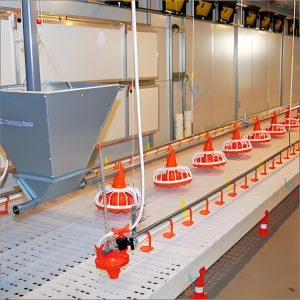
The Middle East represents a promising market for cage-free poultry equipment due to expanding food demand, investment in local poultry production, and the development of large-scale integrated farming projects. Many farms are focusing on modern feeding systems, drinking systems, ventilation equipment, and environmental management solutions to improve production stability under challenging climate conditions.
Southeast Asia also shows strong potential driven by population growth, increasing protein consumption, and the modernization of traditional poultry farms. In many regions, producers are upgrading from manual management methods to automated feeding, climate control, and farm management systems to reduce labor dependency and improve operational efficiency.
Although market conditions differ between the two regions, both share common demands: reliable equipment performance, energy-efficient designs, and solutions adapted to local climate environments. In hot and humid areas, ventilation efficiency, cooling systems, and durable materials are especially important factors influencing equipment selection.
Market development from 2026 to 2030 will likely depend on several factors, including investment capacity, government support, feed cost pressures, and the adoption level of automation technologies. Equipment suppliers that provide integrated solutions rather than individual products may have stronger opportunities in emerging poultry markets.
Overall, the Middle East and Southeast Asia represent important strategic regions for cage-free poultry equipment development. Understanding local production challenges and providing customized farm solutions will be essential for companies participating in the future global poultry equipment market.
Share this:
Other Posts
-
How to Choose Your Poultry System
How to Choose the Right Poultry Farming System and Equipment Selecting the right farming method and equipment starts with evaluating your farm scale, climate conditions, and target market. Floor rearing is suitable for welfare-focused farms, offering lower initial investment, easier all-in/all-out sanitation management, and relatively simple litter handling. Cage systems maximize stocking density but face…
-
Equipment + Service” Model: The Next Growth Driver in Biosecurity Equipment Market
As disease outbreaks become more frequent, poultry farms are shifting from buying standalone biosecurity equipment to seeking integrated solutions. The “equipment + service” model is emerging as a key growth driver in this space. This model combines hardware—such as automated disinfection channels, air filtration systems, and smart access controls—with value-added services like biosecurity audits, sanitation…
-
Poultry Fan Noise Suddenly Increases? 3-Step Troubleshooting Guide
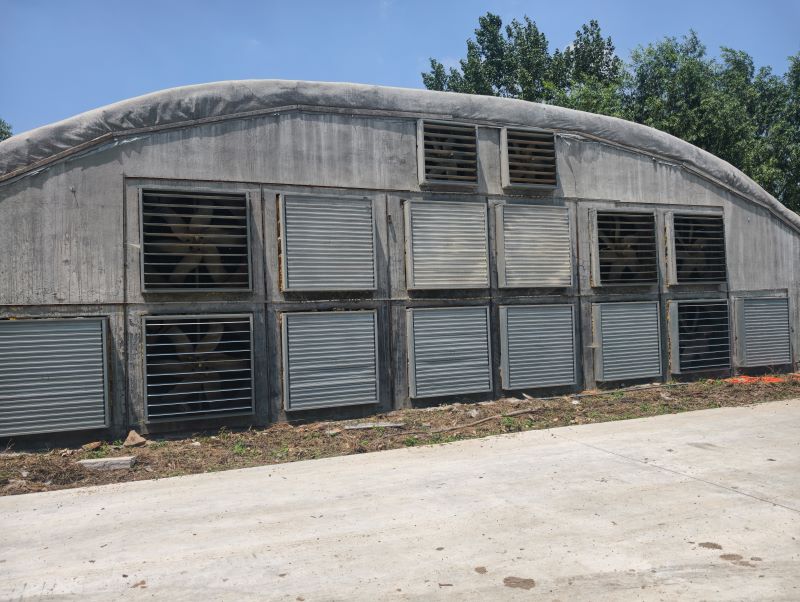
A sudden increase in poultry fan noise can indicate problems with blades, bearings, motors, or mounting components. This article provides a three-step inspection method covering fan blades, moving components, and installation structures. Regular cleaning and maintenance can help identify abnormal vibration and mechanical problems early. Safe power isolation is essential before inspection, while electrical and…
-
Professional Broiler Breeding Equipment, Boosting Efficient Farming
As a professional manufacturer of broiler breeding equipment, we are committed to providing advanced layer-stacked broiler cage systems for farmers. Our products are made of high-quality hot-dip galvanized steel with a service life of over 15 years, featuring corrosion resistance and anti-aging properties to ensure long-term stable operation. Core Advantages: Our equipment adopts a frame…
Product Categories
Subscribe To Product News
Leave your email address and receive our latest product updates