Your cart is currently empty!
+86 15863276370

For a 1,000‑bird flock, the choice between cage and floor systems affects costs, labor, and risk.
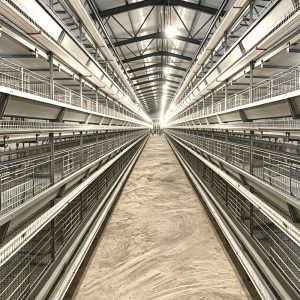
- Investment: Cages require higher upfront ($2,500–$3,500) due to multi‑tier structures. Floor rearing costs less ($1,500–$2,000) for feeders, drinkers, and litter.
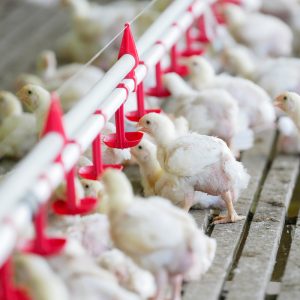
- Output: Cage systems achieve slightly better feed conversion (reduce FCR by 0.1–0.2) and higher density. Floor rearing produces birds with stronger legs and fewer breast blisters.
- Labor: Cages save daily labor (cleaning, gathering) but need more complex management. Floor rearing requires regular litter maintenance and more walking time.
- Risk: Floor rearing offers easier all‑in/all‑out disinfection, lowering disease carryover. Cages face higher respiratory illness risk and regulatory pressure in some markets.
For small farms with 1,000 birds, floor rearing is often more practical due to lower entry cost and simpler biosecurity. However, if space is extremely limited and local regulations allow, cages may boost output. Choose based on your target market and available investment.
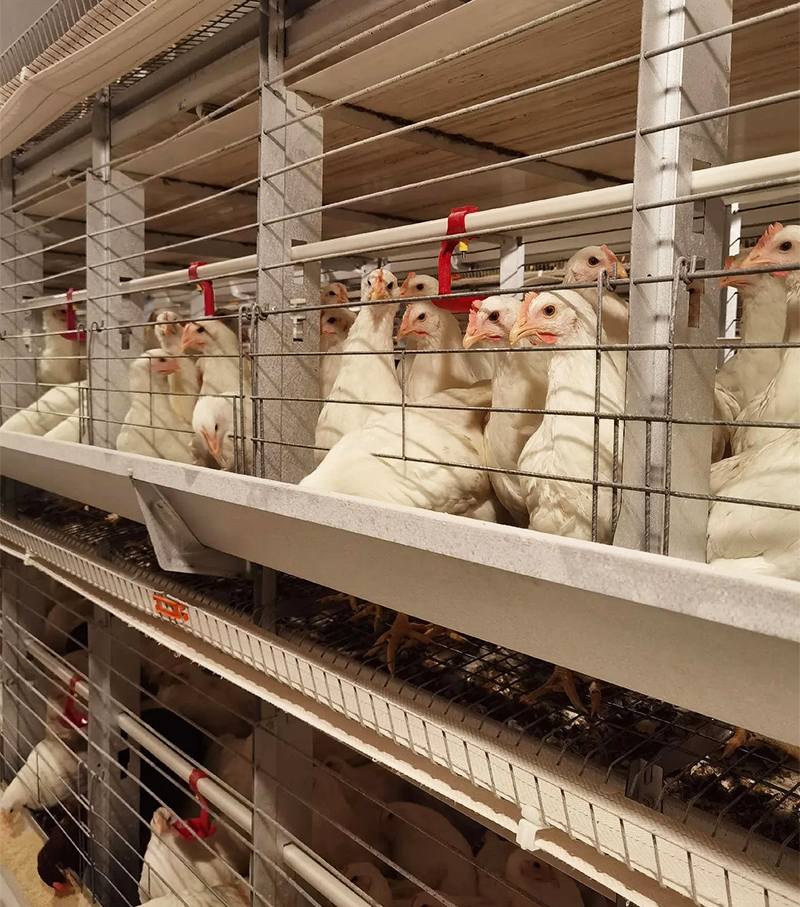
Cage rearing
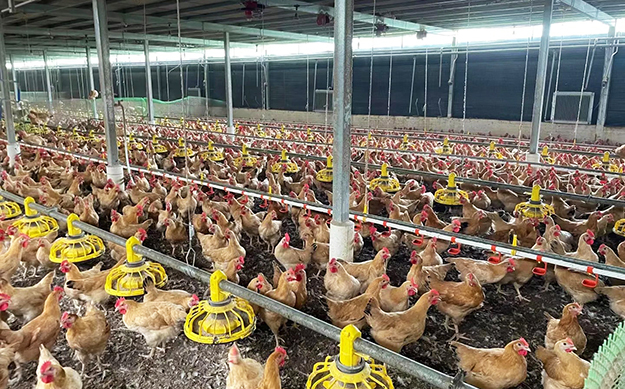
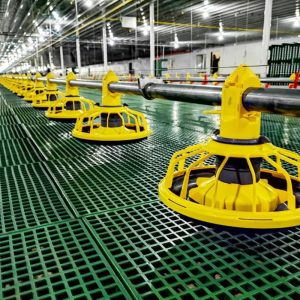
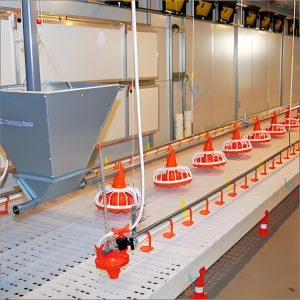
Floor rearing
Share this:
Other Posts
-
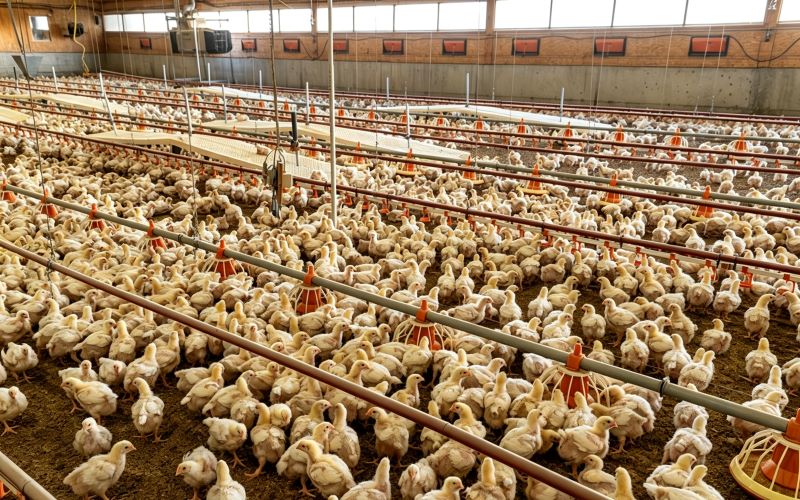
Seasonal Stocking Density Management in Poultry Farming: Dynamic Matching of Bird Density and Heat Load Under Different Temperature Conditions
Stocking density is a critical management factor affecting animal welfare, environmental control efficiency, and production performance in commercial poultry farming. During seasonal temperature changes, maintaining the appropriate bird density becomes increasingly important because heat production from flocks directly influences the internal climate of poultry houses. A seasonal stocking density adjustment model evaluates the relationship between…
-
Comparison of Disease Risks in Open-Sided and Closed Poultry Houses under El Niño–Induced Precipitation Extremes
During El Niño events, heavy rainfall or prolonged drought alter housing microclimates, affecting disease risks differently in open-sided and closed poultry houses. In open-sided houses, heavy rainfall increases litter moisture and ammonia levels, promoting coccidiosis and pododermatitis. Dry conditions increase airborne dust, irritating the respiratory tract and increasing the incidence of colibacillosis. Closed houses with…
-
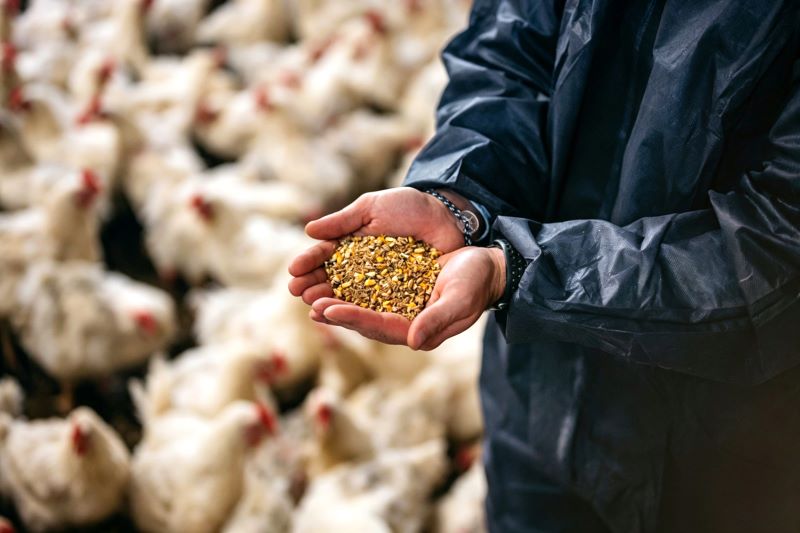
Input-Output Model of Automated Feeding Systems for Reducing Feed Cost
Feed constitutes 60–70% of total broiler production costs. Automated feeding systems reduce feed waste through precise portion control, creating a measurable input‑output economic model. Input (Investment) Output (Annual Savings from Feed Alone) Extended Output (Additional Savings) ROI CalculationPayback period (feed savings only) = $13,500 ÷ $2,600 = 5.2 yearsPayback (total savings) = $13,500 ÷ $14,000…
-
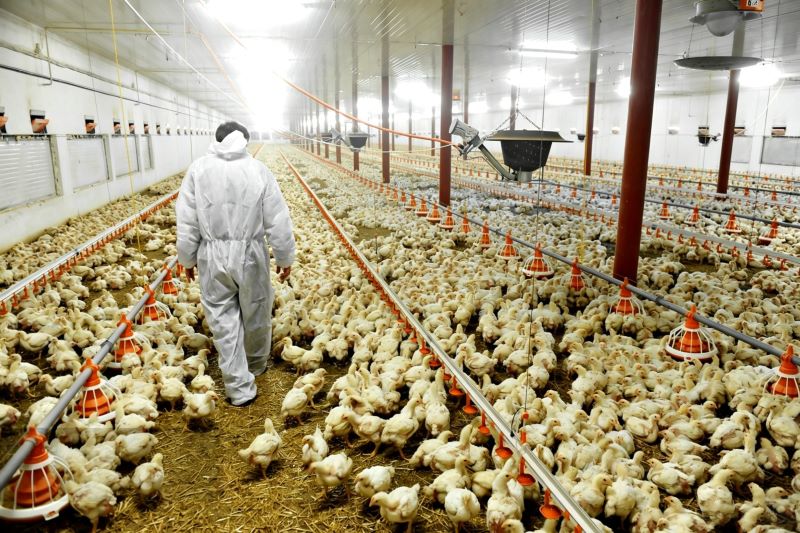
Why Automated Floor Rearing Systems Are Transforming Broiler Farming
Automated floor rearing systems help broiler farms cut labor costs by up to 70%, reduce feed waste by 5–10%, improve bird health through natural movement, and enable all‑in/all‑out sanitation for better disease control. With a strong ROI of 12–24 months, they also help farms meet animal welfare standards. As the industry moves toward cage‑free and…
Product Categories
Subscribe To Product News
Leave your email address and receive our latest product updates