Your cart is currently empty!
+86 15863276370

This study quantifies labor cost savings from switching to automated feeding in a 10,000-bird broiler farm. Manual feeding requires two full-time workers for feed bag handling, transport, and daily distribution. Annual labor costs include wages (15/hour×8h/day×365days×2workers=87,600), plus benefits, recruitment, and training overhead (estimated 25% of wages, 21,900)andmanagementsupervision(5,000). Total manual feeding cost: $114,500.
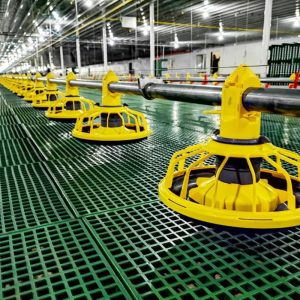
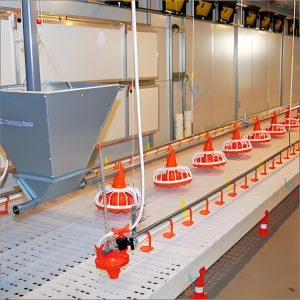
Automated feeding uses a silo, auger system, and pan feeders. One part-time worker maintains the system and monitors feed levels (500 hours/year at 15=7,500). Maintenance, electricity, and depreciation add 3,000annually.Totalautomatedcost:10,500.
Result: It saves $104,000 in labor – related costs each year, a decrease of 91%. Even with a conservative estimate, achieving a 50% saving is easy. For an automated system costing $12,000, the payback period is less than two months.
Share this:
Other Posts
-
Annual Feed Savings Estimation for a 10,000-Bird Broiler Farm Using Precision Feeding
Precision feeding delivers exact feed amounts based on real-time bird weight and intake patterns, minimizing waste. For a 10,000-bird flock with a 40-day cycle and average feed conversion ratio (FCR) of 1.6, total feed consumption reaches roughly 16,000 kg per cycle. Manual feeding typically wastes 5–10% of feed due to spillage, spoilage, and uneven distribution.…
-
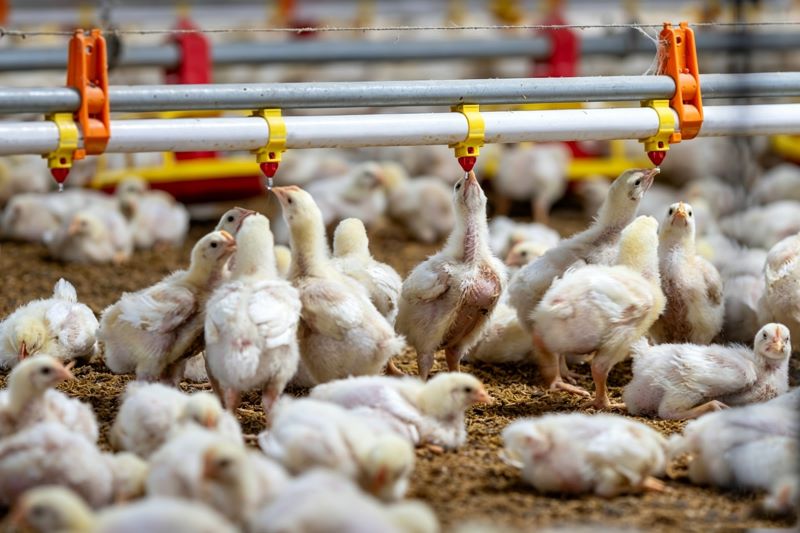
Deconstructing the Payback Period of Automated Feeding Systems: A Quantitative Analysis of Feed Savings Contribution
Automated feeding systems significantly shorten payback periods by reducing feed waste. This study quantifies how much feed savings contribute to overall return on investment in a 10,000‑bird broiler house. A typical automated feeding system costs $12,000–$15,000 installed. Annual savings come from three sources: labor (70% reduction, saving ~$10,000), feed waste reduction (5–10% saving, ~$2,700–$5,400), and…
-
Professional Broiler Breeding Equipment, Boosting Efficient Farming
As a professional manufacturer of broiler breeding equipment, we are committed to providing advanced layer-stacked broiler cage systems for farmers. Our products are made of high-quality hot-dip galvanized steel with a service life of over 15 years, featuring corrosion resistance and anti-aging properties to ensure long-term stable operation. Core Advantages: Our equipment adopts a frame…
-
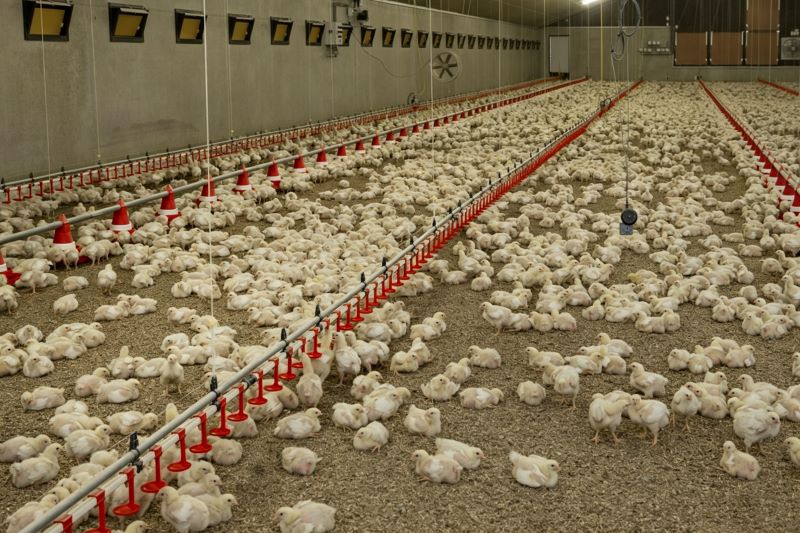
Adjusting Vaccination Programs in Hot Seasons – Timing and Stress Control Strategies Backed by Field Data
High temperatures don’t just affect bird comfort – they also impact vaccine effectiveness. Heat stress elevates corticosterone levels, which can suppress immune responses. Vaccinating during peak heat may add extra stress, reducing antibody production and increasing disease risk. Our field study on 50,000 broilers compared two vaccination schedules: morning (8–10 AM, temperature <26°C) vs. midday…
Product Categories
Subscribe To Product News
Leave your email address and receive our latest product updates