Your cart is currently empty!
+86 15863276370

1. Food Security and Poultry Farm Development
Saudi Arabia’s poultry sector is an important part of its food supply strategy. As the industry develops, commercial projects may require reliable housing systems, efficient daily operations, and consistent environmental management. However, the needs of each project vary, and national development goals do not mean that every farm should adopt the same production model.
2. Essential Equipment for Floor-Raised Broilers
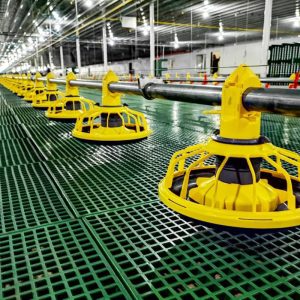
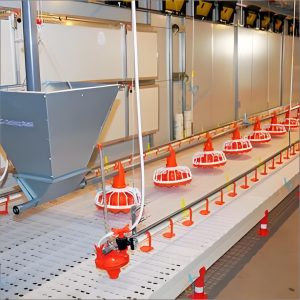
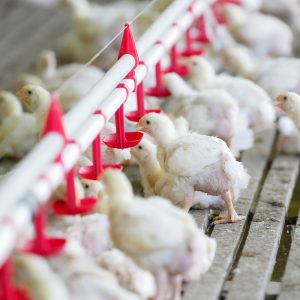
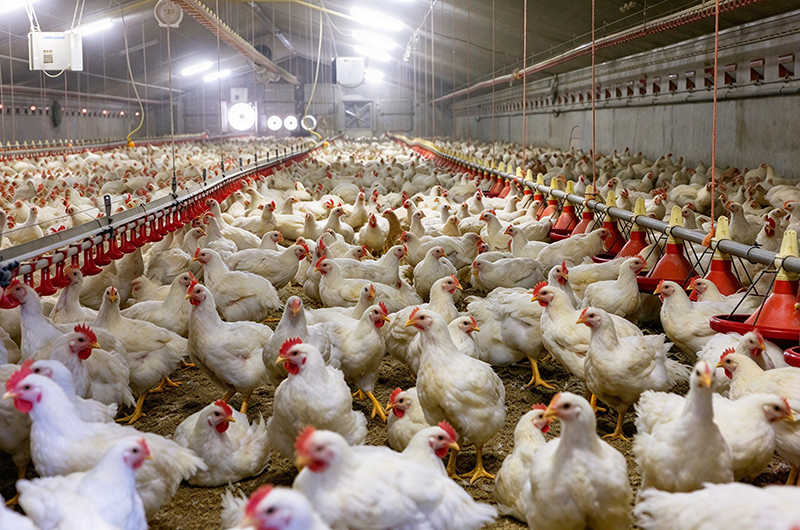
A floor farming system typically combines automatic feeding lines, nipple drinking systems, ventilation equipment, and environmental controllers. These systems help distribute feed and water, manage indoor air conditions, and support routine flock management.
Saudi Arabia’s hot climate makes heat management a key design consideration. Fans, cooling pads, air inlets, and control systems should be selected according to house dimensions, bird numbers, outdoor conditions, and the required ventilation strategy. Cooling performance also depends on humidity, airflow, and system maintenance.
Litter management is equally important. Appropriate floor preparation, drinker adjustment, and ventilation can help control moisture and maintain suitable litter conditions. Equipment selection should therefore be coordinated rather than treated as a series of independent purchases.
3. Planning for Long-Term Operations
Before investing, farm owners should assess building dimensions, target flock capacity, local regulations, water and electricity availability, maintenance requirements, and technical support. Comparing initial equipment costs with expected operating and maintenance expenses can provide a more complete basis for decision-making.
Share this:
Other Posts
-
Poultry Feed Auger Diameter: 45mm vs 60mm vs 75mm – How to Choose
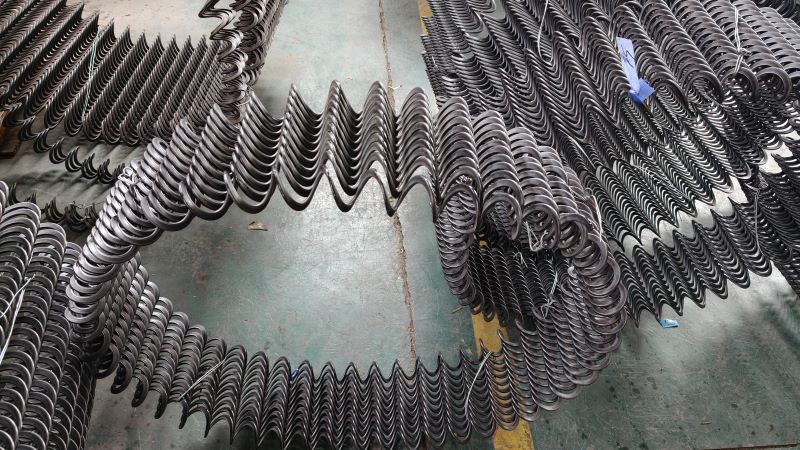
Feed augers (screw conveyors) are the core of automated feeding systems, moving feed from silos to feeder lines. The three most common diameters for poultry are 45mm, 60mm, and 75mm. Correct selection impacts delivery efficiency and system longevity. 45mm Auger – Small Farms or Main Feed LineDelivers 250–500 kg/h. Suitable for farms under 5,000 birds,…
-
Synergistic Optimization of Cooling Pad Expansion and Water Quality Management: Strategies for Improving Evaporative Cooling Efficiency in Hot and Humid Regions
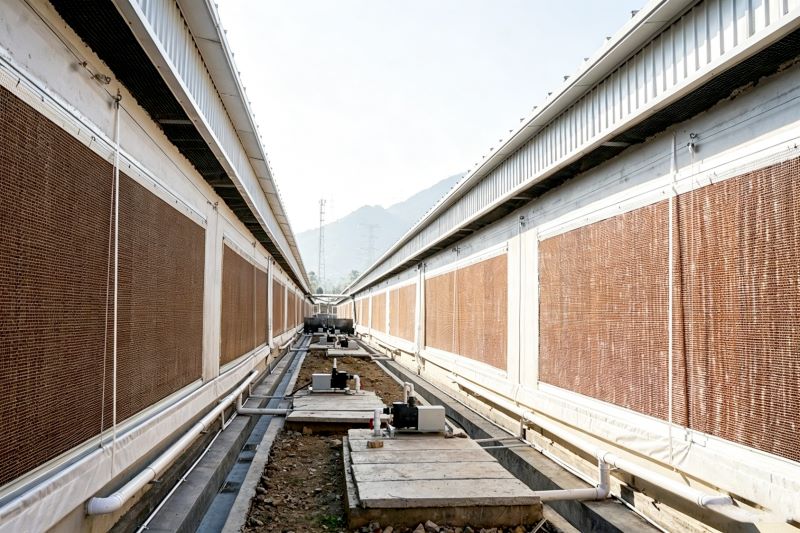
In tunnel-ventilated poultry houses, evaporative cooling pad performance directly impacts bird welfare and productivity during summer. Two critical factors determine system effectiveness: proper pad sizing and water quality management. Pad Sizing Principles Pad area should be determined by total tunnel fan capacity, not house dimensions. Industry standard recommends one square foot of six-inch pad for…
-
EU’s 2027 Cage Ban: How Long Will the Policy-Driven Boom for Floor Rearing Equipment Last?
The EU will ban conventional cages for laying hens and broilers by 2027. This regulation forces farms to switch to cage‑free systems, primarily floor rearing and aviaries. Consequently, demand for floor rearing equipment—feeders, drinkers, litter management, and ventilation—has surged. Market analysts estimate that the transition affects over 300 million hens in Europe alone. Replacement cycle…
-
Quantifying Feed Loss in Poultry Farming: Spillage, Spoilage, and Feed Refusal Analysis
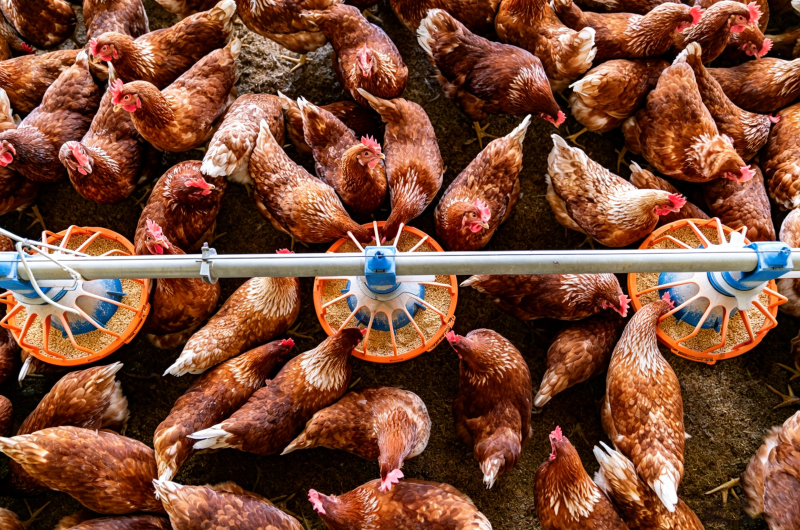
Feed loss is a key challenge in poultry production, directly affecting economic efficiency and resource utilization. This article provides a quantitative analysis of three primary sources of feed loss: spillage, spoilage, and feed refusal. By examining their causes, typical loss ratios, and influencing factors, the study highlights practical strategies for reducing waste. Optimizing feeder design,…
Product Categories
Subscribe To Product News
Leave your email address and receive our latest product updates