Your cart is currently empty!
+86 15863276370

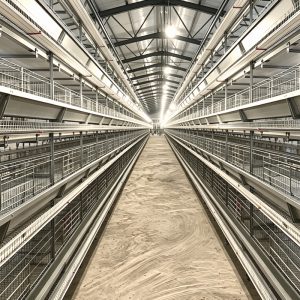
Southeast Asia has diverse broiler production systems, ranging from small traditional farms to larger commercial operations. As some producers expand their capacity, floor-raised broiler equipment becomes an important consideration for improving routine management and preparing for future growth.
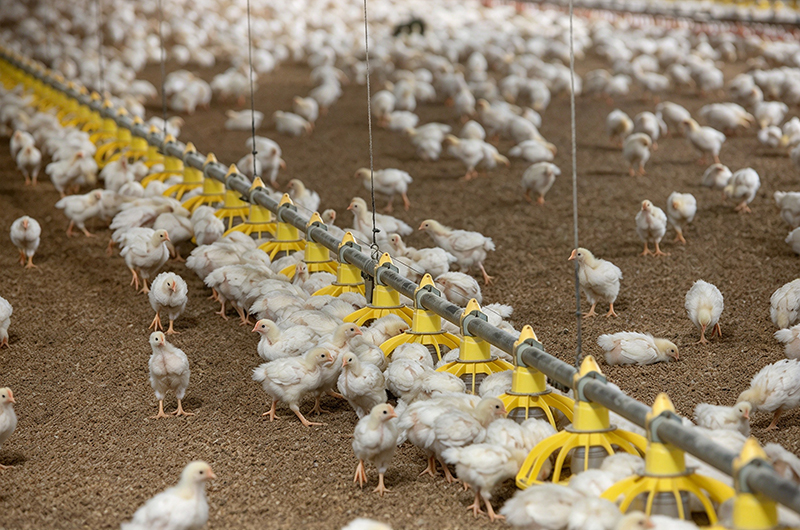
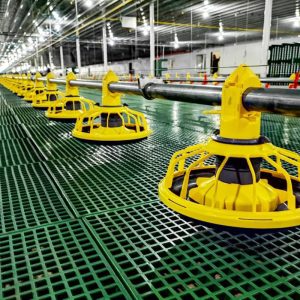
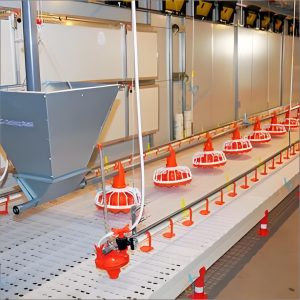
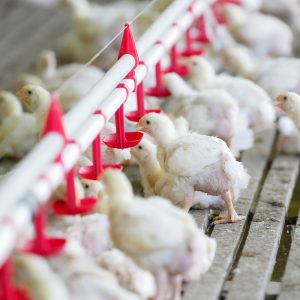
Automatic feeding and drinking systems are often practical starting points. Feed pans help distribute feed throughout the house, while nipple drinking lines provide a controlled water supply. Equipment layout should match house dimensions, flock size, and bird growth stages.
Ventilation and climate control are especially important in hot, humid regions. Exhaust fans, air inlets, cooling pads, and environmental controllers should be selected as a coordinated system. Cooling performance depends on humidity, airflow, house sealing, and equipment capacity, so one configuration will not suit every location.
Manure and litter management also require attention. Appropriate floor design, litter management practices, drainage where relevant, and regular cleaning help maintain suitable house conditions. The exact equipment requirements depend on the housing design and manure-handling method.
For small and medium-sized farms, staged investment may be more practical than installing every automated component at once. Producers can prioritize equipment according to labor needs, climate risks, maintenance access, and available capital. Larger farms may benefit from integrated systems that improve coordination between feeding, ventilation, and environmental monitoring.
There is no single equipment package suitable for all Southeast Asian markets. A reliable plan should reflect local regulations, farm capacity, building dimensions, technical support, and long-term operating costs.
For poultry equipment buyers, the goal is to select a floor-raising system that fits current production needs while allowing practical expansion as the business develops.
Share this:
Other Posts
-
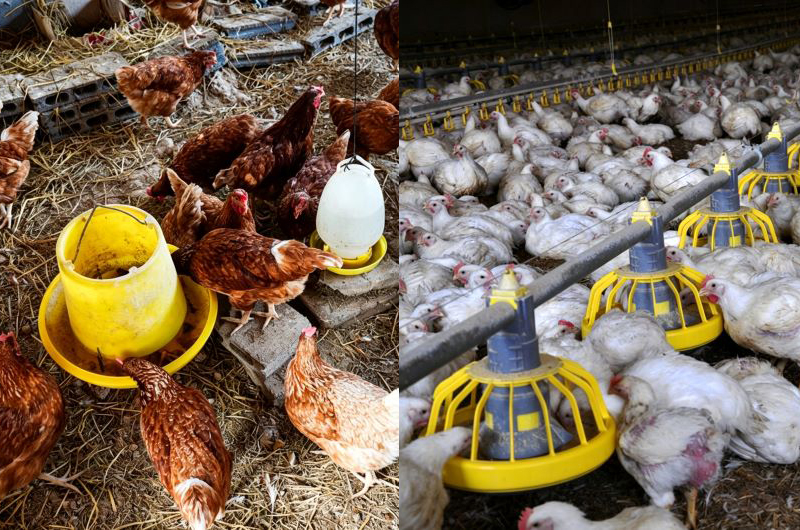
From Feed Waste to Precision Feeding: How Better Feed Management Can Improve Broiler FCR and ROI
Feed is one of the major operating costs in broiler production, making feed efficiency an important factor in farm profitability. Precision feeding and well-designed feeding equipment can help reduce unnecessary feed waste and improve feeding consistency. However, the return on investment depends on farm conditions and should be evaluated using actual production data.
-
How does precision feeding in automated poultry farming systems save money?
Manual feeding in broiler houses often leads to uneven feed distribution and significant waste—up to 10% of total feed. Automated feeding systems solve this with precision. Using sensors and timers, they deliver exact portions based on bird age and weight, ensuring consistent intake across the flock. This accuracy reduces feed waste by 5–10%, directly cutting…
-
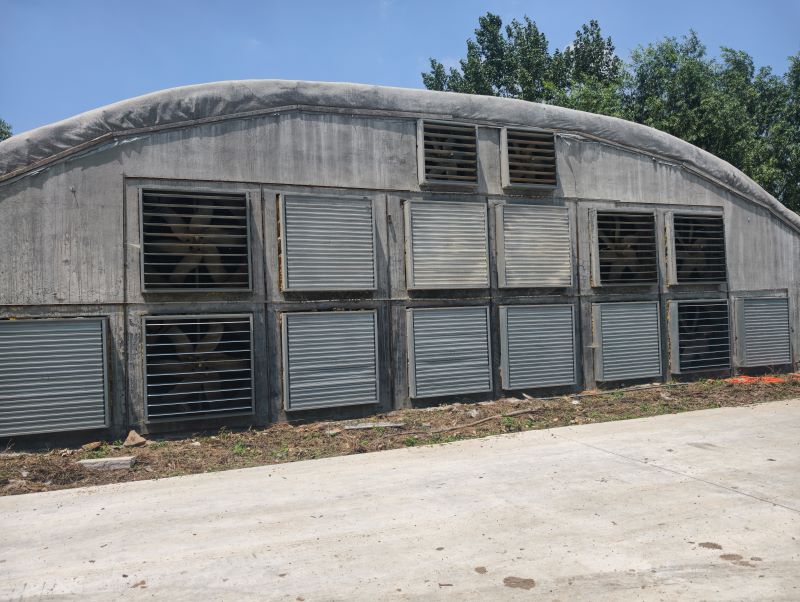
Poultry Fan Noise Suddenly Increases? 3-Step Troubleshooting Guide
A sudden increase in poultry fan noise can indicate problems with blades, bearings, motors, or mounting components. This article provides a three-step inspection method covering fan blades, moving components, and installation structures. Regular cleaning and maintenance can help identify abnormal vibration and mechanical problems early. Safe power isolation is essential before inspection, while electrical and…
-
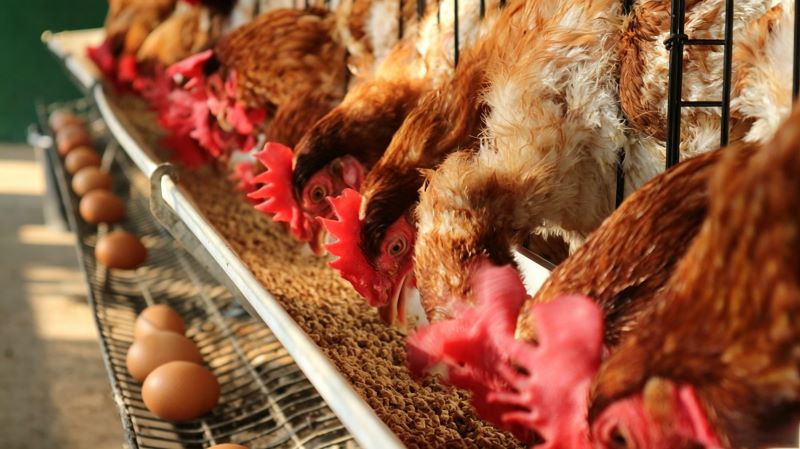
Manual Feeding vs Precision Feeding Systems in Poultry Farming: Efficiency, Cost, and Feed Conversion Comparison
Feed management is one of the most critical factors affecting productivity and cost efficiency in poultry farming. Traditionally, manual feeding has been widely used due to its simplicity and low initial investment. However, with the development of automation technology, precision feeding systems are increasingly replacing manual operations in modern poultry houses. Manual feeding relies heavily…
Product Categories
Subscribe To Product News
Leave your email address and receive our latest product updates