Your cart is currently empty!
+86 15863276370

A sudden increase in poultry fan noise may indicate a problem with the fan blades, motor, bearings, or mounting structure. Early inspection can help identify potential faults before they affect ventilation performance.
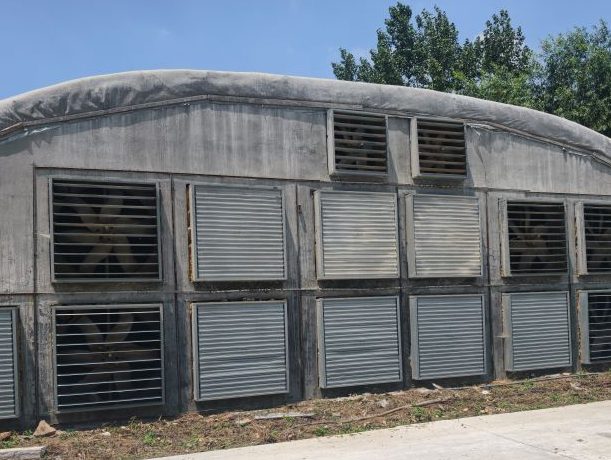
Step 1: Check the fan blades and protective components.
Turn off and isolate the power before inspection. Check whether the blades are damaged, loose, or obstructed by dust or foreign objects. Accumulated dust can also affect blade balance and increase vibration and noise.
Step 2: Inspect the motor and moving components.
After confirming that the equipment is safely powered off, check for unusual vibration, loose fasteners, or abnormal bearing noise. If the motor becomes excessively hot or produces a burning smell, stop operation and arrange professional inspection.
Step 3: Check the installation and mounting structure.
Loose brackets, panels, belts, or fasteners can create additional vibration during operation. Compare the current operating sound and vibration with the fan’s normal condition. If abnormal noise continues after basic inspection, further diagnosis may be required.
Regular cleaning, fastening checks, and scheduled maintenance can help maintain stable fan performance. For poultry houses, ventilation equipment should also be evaluated together with airflow requirements, fan operating hours, and environmental conditions.
Important: Always disconnect the power before opening or inspecting a fan. Electrical components and rotating parts should be serviced by qualified personnel when necessary.
Share this:
Other Posts
-
Synergistic Design of Floor-Level Inlets and Ridge Outlets: An Airflow Optimization Scheme Combining Natural and Mechanical Ventilation
Effective ventilation is critical for poultry house air quality. This scheme integrates floor-level inlets with ridge outlets, blending natural and mechanical forces. Floor-level inlets, placed along side walls near the litter, allow fresh air to enter at bird level. Ridge outlets, installed at the roof peak, enable warm, stale air to rise naturally. During mild…
-
Predictive Climate Control in Poultry Farming: Using Weather Forecast Data to Reduce Heat Stress Risks
Heat stress management is one of the most important challenges in modern poultry production, especially in regions experiencing frequent extreme temperature events. Traditional environmental control systems mainly respond after temperature changes occur, while predictive climate control combines weather forecast data with automated equipment management to improve farm preparedness. A predictive control model uses external weather…
-
Linking Payback Period to Feed Savings: A Model for Automated Feeding Systems
The payback period of automated feeding systems directly correlates with feed savings achieved. A simple model expresses payback (months) = equipment cost / (annual feed saving × feed price). For a 10,000-bird house, automated feeders typically cut waste by 5–10%, saving 6–12 tons of feed yearly. At $450/ton, that equals $2,700–$5,400 annual saving. With equipment…
-
Nipple Drinker vs. Traditional Trough: Which Suits Your Poultry Farm Better?
Watering system choice impacts bird health, water consumption, and labor. Nipple drinkers provide fresh, clean water on demand, reducing spillage and litter moisture. This lowers ammonia emission and footpad dermatitis incidence. Nipples also prevent fecal contamination, improving biosecurity. However, initial cost is higher, and birds need training to use them. Traditional troughs are cheaper and…
Product Categories
Subscribe To Product News
Leave your email address and receive our latest product updates