Your cart is currently empty!
+86 15863276370

Ventilation is one of the major energy consumers in modern poultry houses, particularly during hot weather. Running exhaust fans continuously at full speed may provide strong airflow, but it can also increase electricity consumption when maximum ventilation is not required.
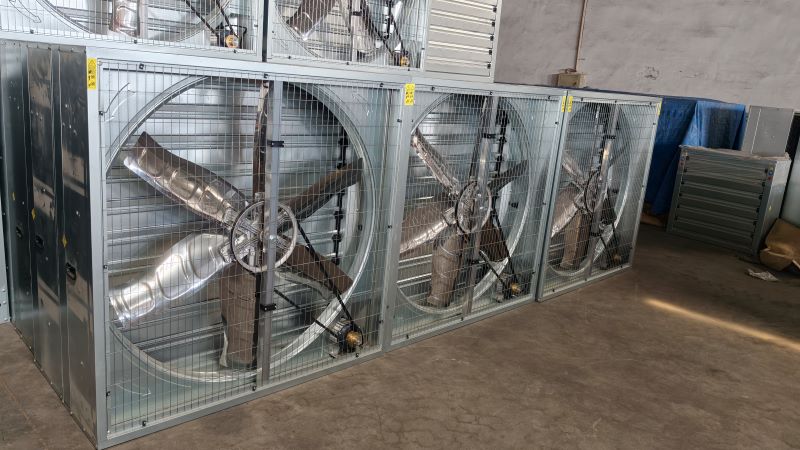
Variable-speed fan systems offer a more flexible approach. Instead of operating only at full capacity, fan speed can be adjusted according to indoor temperature, humidity, and ventilation requirements. During mild heat conditions, the system can operate at a lower speed to maintain adequate airflow while using less electricity. When temperatures rise sharply, the fans can increase speed to provide stronger ventilation and cooling.
The energy-saving effect depends on fan efficiency, house design, climate, stocking density, and control settings. A properly designed climate-control system can coordinate fans, temperature sensors, evaporative cooling pads, and ventilation stages. This allows the system to respond to changing environmental conditions rather than relying on a fixed operating schedule.
Weather-adaptive control can further improve management by using outdoor temperature and forecast information to prepare ventilation settings in advance. However, energy reduction should never come at the expense of bird comfort or adequate air exchange.
For poultry farms, the goal is not simply to run fewer fans, but to deliver the required airflow with the appropriate amount of energy. Proper fan selection, variable-speed control, regular maintenance, and accurate environmental monitoring can help improve both cooling performance and energy efficiency.
Share this:
Other Posts
-
Rainwater Harvesting and Water Recycling Systems: Evaluating a Sustainable Solution to Alleviate Water Stress in Hot Seasons
Water scarcity during hot seasons challenges poultry farms, especially for cooling pads and drinking lines. Rainwater harvesting captures runoff from roofs, stores it in tanks, and treats it for non-potable uses. When combined with recycling systems that filter and reuse water from cooling pads, overall freshwater demand drops significantly. A field study on a 50,000-bird…
-
Why Do Nipple Drinkers Leak? (With Troubleshooting Flowchart)
Leaking nipple drinkers waste water, wet litter, and increase disease risk. Understanding common failure causes helps farm managers quickly fix issues. Primary leak sources include: worn silicone seals (normal wear after 12–18 months), debris trapped in the valve (from poor water filtration), incorrect water pressure (above 0.2–0.3 bar), damaged nipple body (cracks from freezing or…
-
How to Choose Your Poultry System
How to Choose the Right Poultry Farming System and Equipment Selecting the right farming method and equipment starts with evaluating your farm scale, climate conditions, and target market. Floor rearing is suitable for welfare-focused farms, offering lower initial investment, easier all-in/all-out sanitation management, and relatively simple litter handling. Cage systems maximize stocking density but face…
-
Flock Uniformity and Group Management in Poultry Farms: Improving Heat Distribution and Environmental Control
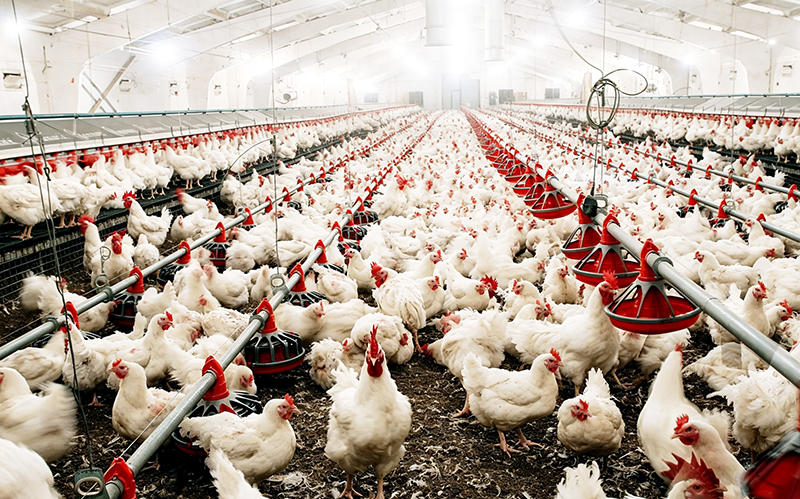
Flock uniformity is an important factor in poultry house management. Significant differences in body weight can create uneven feeding requirements and differences in individual heat production. Grouping birds by size or production stage can help farmers manage these variations and improve environmental control, although the actual effect depends on flock density, climate, ventilation, and management…
Product Categories
Subscribe To Product News
Leave your email address and receive our latest product updates