Your cart is currently empty!
+86 15863276370

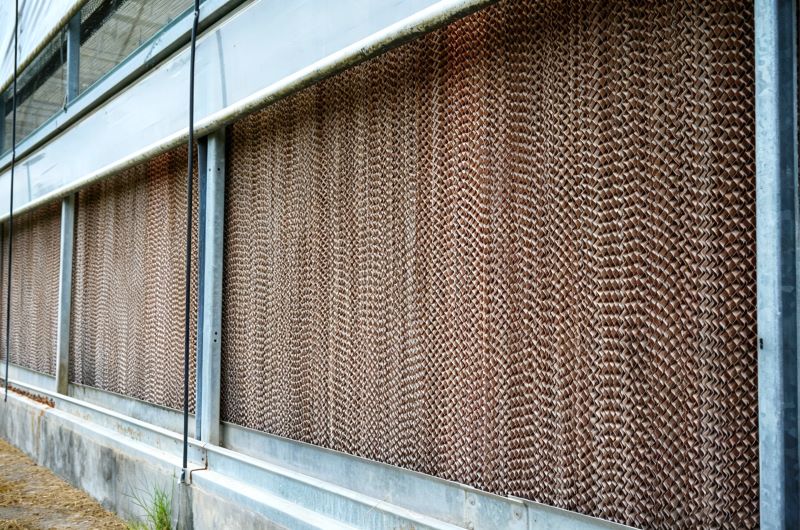
Evaporative cooling pads are widely used in modern poultry houses to reduce heat stress during hot weather. However, some farms experience limited cooling performance even when cooling pad systems are installed. Understanding the causes of reduced efficiency is essential for improving environmental control and maintaining stable production conditions.
One common reason is insufficient airflow management. Cooling pads rely on proper air movement through the wet surface to achieve effective evaporation. If fan capacity is inadequate, air leakage exists, or ventilation design is not optimized, the cooling effect inside the poultry house may be significantly reduced.
Another important factor is cooling pad condition and maintenance. Dust accumulation, mineral deposits, uneven water distribution, or aging pad materials can reduce water absorption and evaporation efficiency. Regular inspection and cleaning help maintain stable cooling performance.
Water quality and circulation systems also influence cooling efficiency. High mineral content water may cause scaling on the pad surface, reducing air contact with the wet material. A properly designed water supply system with filtration and regular maintenance can improve long-term reliability.
Poultry house structure and environmental conditions should also be considered. Poor insulation, excessive heat entering through roofs or sidewalls, and incorrect air inlet design can increase heat load and reduce the overall impact of cooling systems.
Optimizing evaporative cooling performance requires a combination of equipment selection, ventilation design, maintenance practices, and environmental management. By identifying the limiting factors, poultry producers can improve cooling efficiency, reduce heat stress risks, and create a more stable climate environment for broiler production.
Share this:
Other Posts
-
Pan vs. Chain Feeding Systems: Feed Efficiency, Waste Control, and Farm Application
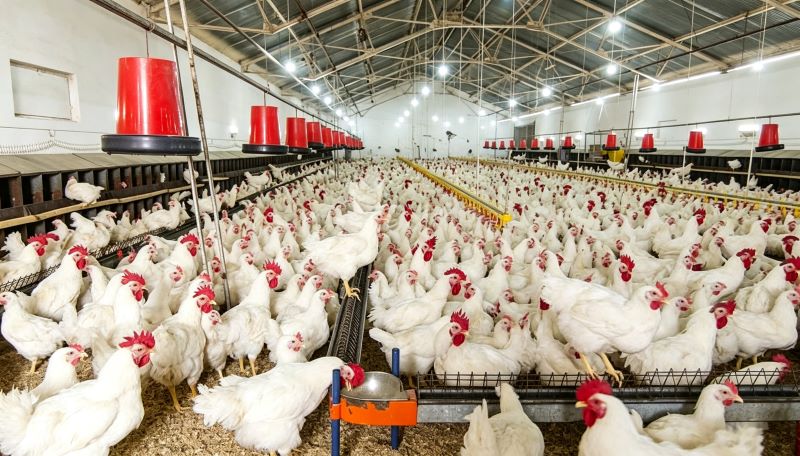
This article compares pan and chain feeding systems from the perspective of feed efficiency and waste control. Both systems can support automated feeding, but their performance depends on equipment settings, farm layout, feed characteristics, and management practices. Key evaluation factors include feed spillage, distribution consistency, labor requirements, and maintenance. Selecting the appropriate system according to…
-
Indonesia, Vietnam, the Philippines: Opportunities and Entry Strategies for Floor Rearing Equipment in Southeast Asia’s Three Key Markets
Southeast Asia’s poultry sector is shifting from backyard farming to commercial production, creating strong demand for floor rearing equipment. Indonesia, Vietnam, and the Philippines represent the region’s most promising markets. Indonesia has the largest broiler population but faces fragmentation. Success requires affordable semi‑automated systems and local after‑sales support. Vietnam’s market is more structured, with growing…
-
Evaporative Cooling Pad Water Quality and Maintenance: How Hardness, pH, and Mineral Scale Affect Cooling Performance
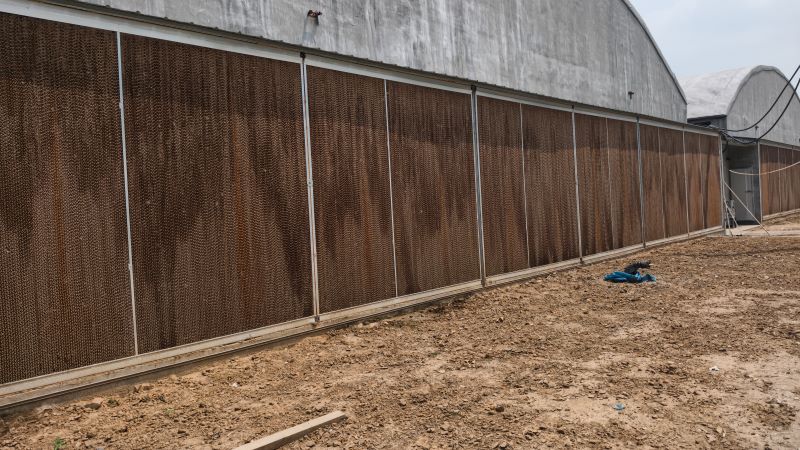
Water quality is an important factor affecting the performance and maintenance of evaporative cooling pads in poultry houses. High mineral content, unsuitable pH conditions, and accumulated scale can interfere with water distribution and evaporation efficiency. This article examines practical maintenance strategies, including water testing, controlled bleed-off, periodic flushing, and routine inspection. Effective water management can…
-
2026–2030 Adoption Forecast for Floor Rearing Automation: Which Technology Becomes Standard First?
Over the next five years, three automation technologies will lead floor rearing adoption. Automated feeding systems top the list. Their clear payback (12–24 months) and direct feed savings (5–10%) make them the first standard feature globally. Tunnel ventilation with evaporative cooling follows closely. Rising heat waves and climate volatility push this system from optional to essential in tropical…
Product Categories
Subscribe To Product News
Leave your email address and receive our latest product updates