Your cart is currently empty!
+86 15863276370

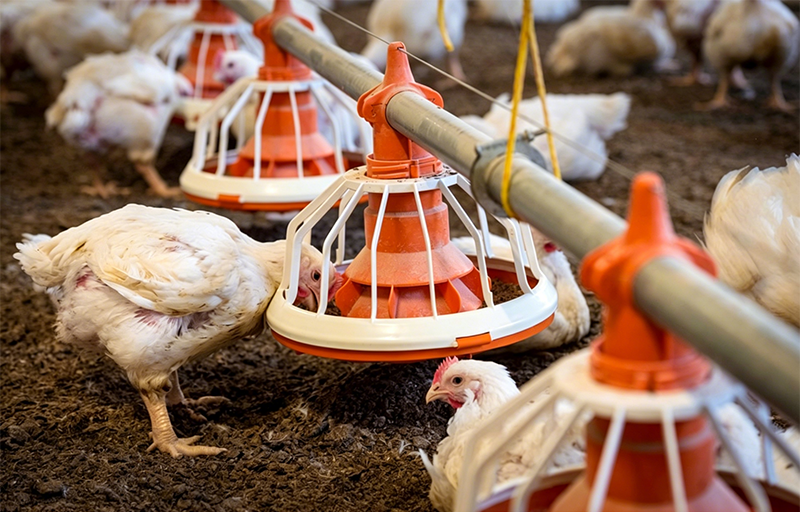
The payback period of automated feeding systems directly correlates with feed savings achieved. A simple model expresses payback (months) = equipment cost / (annual feed saving × feed price).
For a 10,000-bird house, automated feeders typically cut waste by 5–10%, saving 6–12 tons of feed yearly. At $450/ton, that equals $2,700–$5,400 annual saving. With equipment costing $8,000–$12,000, payback ranges from 18 to 32 months.
Sensitivity analysis shows: every 1% additional feed saving shortens payback by about 3–4 months. This linear relationship helps farmers decide based on their waste levels and local feed costs.
Share this:
Other Posts
-
Integrated Poultry Cooling Systems: Combining Fans, Cooling Pads, Fogging and Smart Climate Control
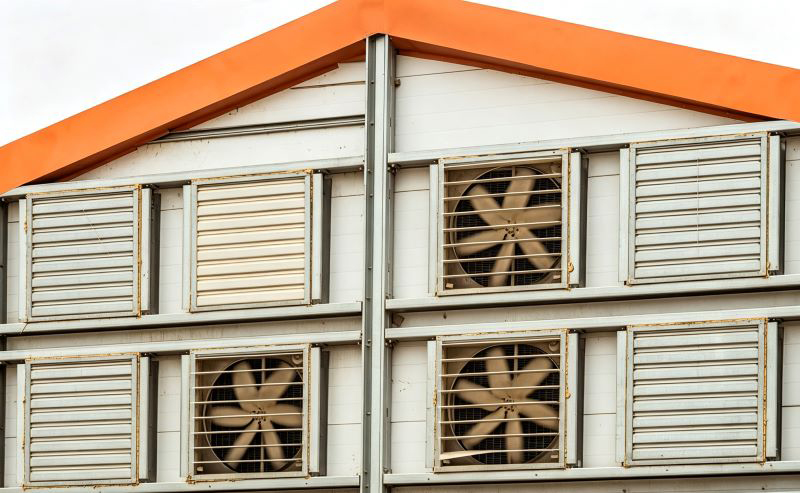
An integrated poultry cooling system combines ventilation fans, evaporative cooling pads, fogging equipment, sensors, and climate controllers to improve environmental management. System configuration should be adapted to local climate conditions. Dry-hot regions may benefit more from evaporative cooling, while hot-humid environments require careful humidity management and sufficient ventilation. ROI evaluation should include equipment investment, energy…
-
Hello world!
Welcome to WordPress. This is your first post. Edit or delete it, then start writing!
-
Deconstructing the Payback Period of Automated Feeding Systems: A Quantitative Analysis of Feed Savings Contribution
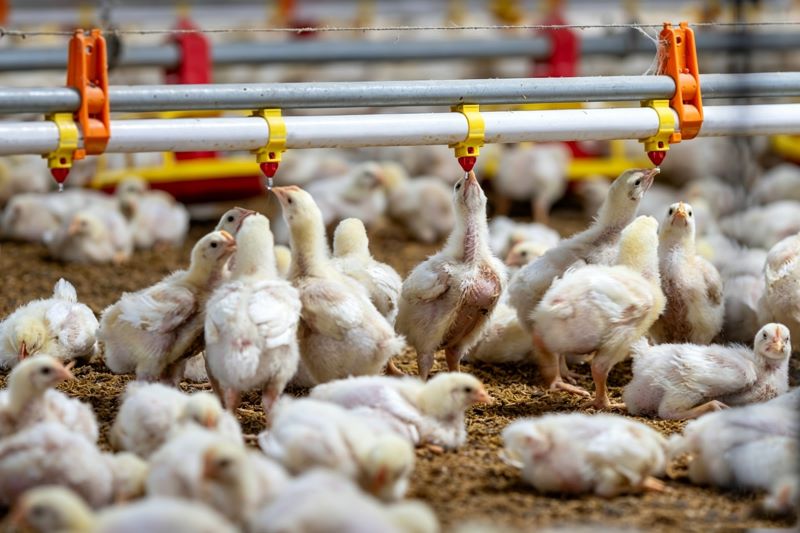
Automated feeding systems significantly shorten payback periods by reducing feed waste. This study quantifies how much feed savings contribute to overall return on investment in a 10,000‑bird broiler house. A typical automated feeding system costs $12,000–$15,000 installed. Annual savings come from three sources: labor (70% reduction, saving ~$10,000), feed waste reduction (5–10% saving, ~$2,700–$5,400), and…
-
Manure Conveyor Belt Tracking Adjustment – Fix It Yourself Without a Service Call
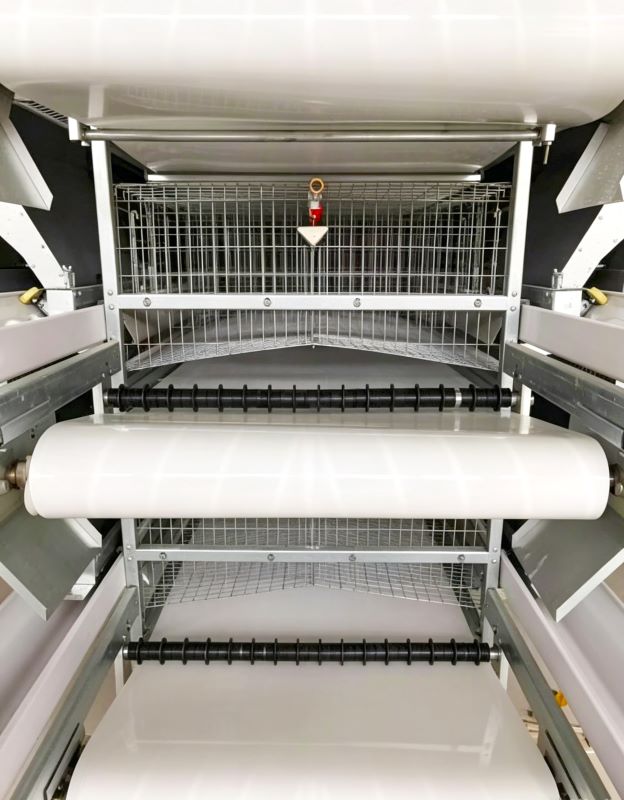
Belt misalignment (tracking off) is a common issue in floor rearing houses. Most cases are caused by uneven tension, non‑parallel rollers, or uneven load distribution. Follow these three steps to fix it yourself. Step 1: Identify the direction and locationRun the belt empty and observe which side it shifts toward. If the belt runs to…
Product Categories
Subscribe To Product News
Leave your email address and receive our latest product updates