Your cart is currently empty!
+86 15863276370

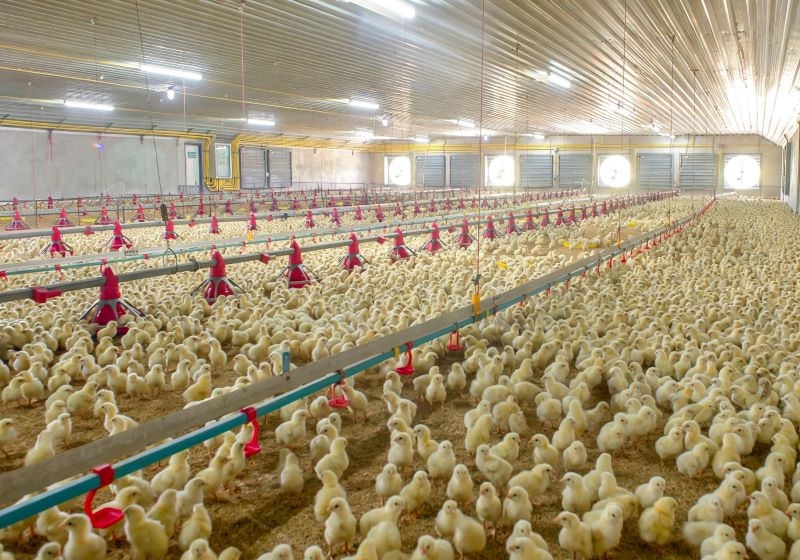
Water is the most critical nutrient for broilers during hot weather. When temperatures rise, birds can double their water intake. Yet many farms overlook three key factors: drinker density, water temperature, and electrolyte supplementation. Here’s what the data shows.
Drinker Density: Enough Points Matter
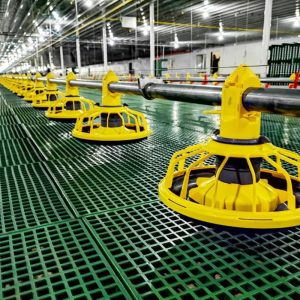
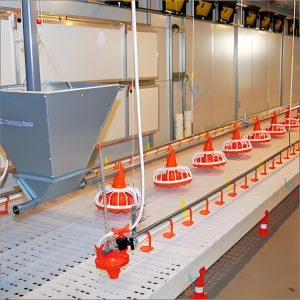
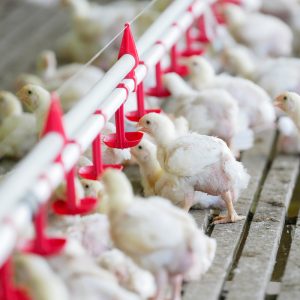
Inadequate drinker access is a primary bottleneck during heat stress. Industry guidelines recommend one nipple drinker per 8–12 birds, with a maximum of 6 meters between drinker lines. In hot regions, this ratio should be tighter—15–19 birds per nipple for broilers under 2.3 kg. Bell drinkers (40 cm diameter) should be provided at 6–8 per 1,000 birds. During peak heat, insufficient drinking points force birds to queue, reducing total water intake and worsening heat stress.
Water Temperature: Cool Water Drives Intake
Broilers consistently prefer and consume more cool water than warm water. Studies show that water temperatures between 18–29°C are generally adequate, but providing water at 15°C can significantly reduce heat stress. Heat pump systems have been shown to maintain drinking water at a consistent 15°C set point, compared to 23–28°C in untreated systems. The principle is simple: cooler water lowers core body temperature and encourages higher intake, which is essential when birds are panting and losing moisture.
Electrolytes: Supplement with Evidence
Vitamin C and electrolyte supplementation can alleviate heat stress effects in broilers. However, not all supplements deliver results—studies have found that sodium bicarbonate and potassium chloride mixtures had no significant effect on measured parameters. More promising data shows that 0.6% potassium chloride supplementation can improve body weight gain by 7.9–14.5% under severe heat stress (35–38°C).
The Bottom Line
An effective summer drinking system combines adequate nipple density, cool water delivery, and targeted electrolyte supplementation. As a poultry equipment manufacturer, we design drinking systems that deliver on all three fronts—helping your birds stay hydrated, healthy, and productive through the hottest months.
Explore our summer-ready drinking systems → [https://www.breedingmachinery.com/product-category/waterline-system/]
This article provides general farming management information and does not constitute professional veterinary advice. For specific issues, please consult a licensed veterinarian.
Share this:
Other Posts
-
Prevent Mold, Protect Health: How Automated Feeding Reduces Gut Disease and Veterinary Costs
Manual feeding often exposes feed to moisture, leading to mold growth and mycotoxins that damage gut health. Automated feeding systems paired with sealed silos keep feed dry and fresh from storage to delivery. This reduces the risk of intestinal diseases like necrotic enteritis, lowering mortality and veterinary expenses. For a 10,000-bird house, annual savings on…
-
Heat Stress Management in Tropical and Subtropical Poultry Farms: Cooling Strategies, Feeding Adjustment, and Stocking Density Optimization
Heat stress is a major challenge for poultry production in tropical and subtropical regions, especially during periods of abnormal temperature increases. This article analyzes the effects of heat stress on broiler feed intake, growth performance, and farm management efficiency. It discusses practical strategies including evaporative cooling systems, ventilation improvement, stocking density adjustment, and feeding schedule…
-
From Design to Implementation: A Practical Guide to Biosecurity Layout for Floor Rearing Farms
Effective biosecurity starts with a clear layout. Separate clean and dirty zones clearly. The entry point should include a changing room, footbath, and hand sanitizer. Place sealed fences around the farm to prevent wild birds and rodents from entering. Design a one-way flow: workers move from office to changing room to house, never backward. Vehicles…
-
Variable-Frequency Fans and Multi-Stage Cooling Linkage Control: Response Mechanism of Smart Environmental Control Systems to Extreme Heat
Extreme heat events threaten poultry health and productivity. Smart environmental control systems employ variable-frequency fans (VFFs) and multi-stage cooling linkage to respond effectively. VFFs automatically adjust speed based on real-time temperature, providing low airflow during mild heat and maximum speed during heatwaves. This saves energy while maintaining bird comfort. Multi-stage cooling activates sequentially: first, tunnel…
Product Categories
Subscribe To Product News
Leave your email address and receive our latest product updates