Your cart is currently empty!
+86 15863276370

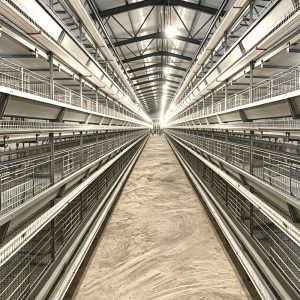
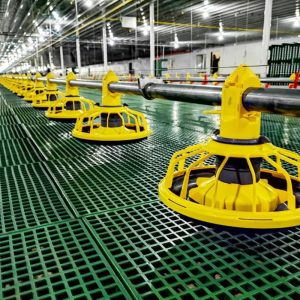
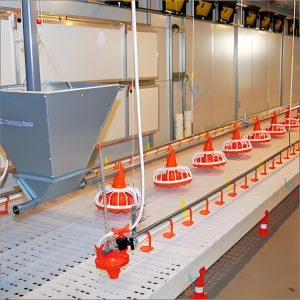
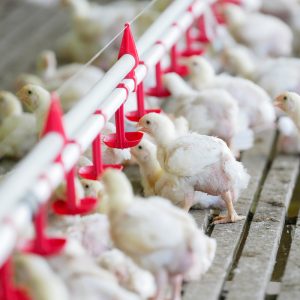
Feed cost is one of the largest operating expenses in poultry production, making feed efficiency a key factor affecting farm profitability and long-term sustainability. With the development of automation technology, precision feeding systems are becoming an important solution for improving feeding accuracy, reducing waste, and optimizing production management.
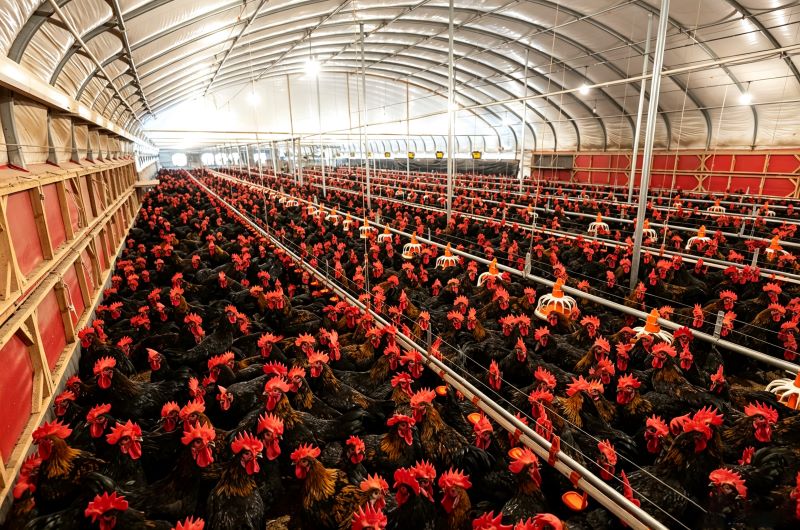
Traditional feeding methods often rely on manual adjustment and fixed feeding schedules, which may result in uneven feed distribution, excessive feed accumulation, or insufficient feeding accuracy. These factors can influence feed utilization efficiency and increase management workload, especially in medium and large-scale poultry farms.
Precision feeding systems use automated control technology to deliver feed according to programmed schedules and farm requirements. By improving feeding consistency and reducing unnecessary feed loss, these systems help farms achieve more stable feed management. In addition, accurate feeding control can support better flock uniformity and improve production monitoring capabilities.
From an investment perspective, the return on a precision feeding system depends on multiple factors, including farm size, equipment configuration, labor costs, feed prices, and management practices. Although automation requires initial investment, the long-term value comes from improved operational efficiency, reduced labor dependency, and more standardized production processes.
For large-scale poultry farms, precision feeding is not only an equipment upgrade but also a management strategy. When integrated with environmental control systems and digital monitoring technologies, precision feeding can provide farmers with more accurate production data and support better decision-making.
A comprehensive ROI evaluation should consider both direct economic benefits and long-term operational improvements. By adopting suitable precision feeding solutions, poultry farms can build more efficient, stable, and sustainable production systems.
Share this:
Other Posts
-
ROI Analysis of Precision Feeding Systems in Poultry Farming: How Smart Feeding Improves Feed Efficiency and Operational Performance
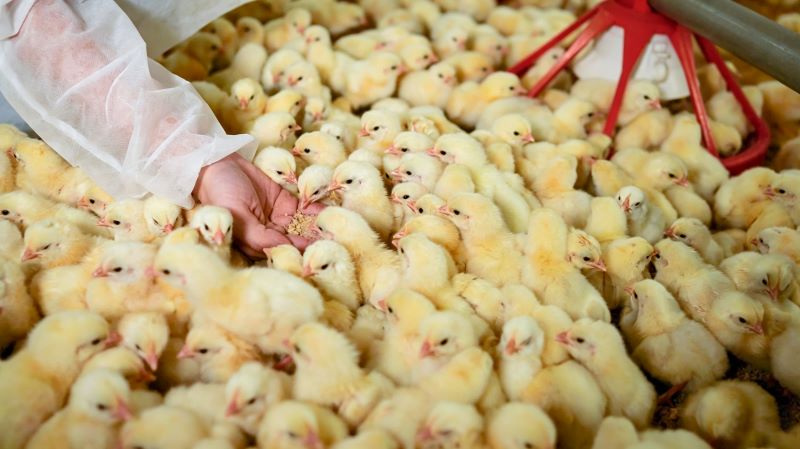
Precision feeding systems are becoming increasingly important in modern poultry production as farms seek better feed efficiency and more standardized management. This article analyzes the investment value of precision feeding technology by examining its impact on feeding accuracy, feed utilization, labor requirements, and operational efficiency. The ROI of such systems depends on factors including farm…
-
Managing Ammonia Emissions in Poultry Farms During El Niño: Practical Strategies for Waste and Odor Control
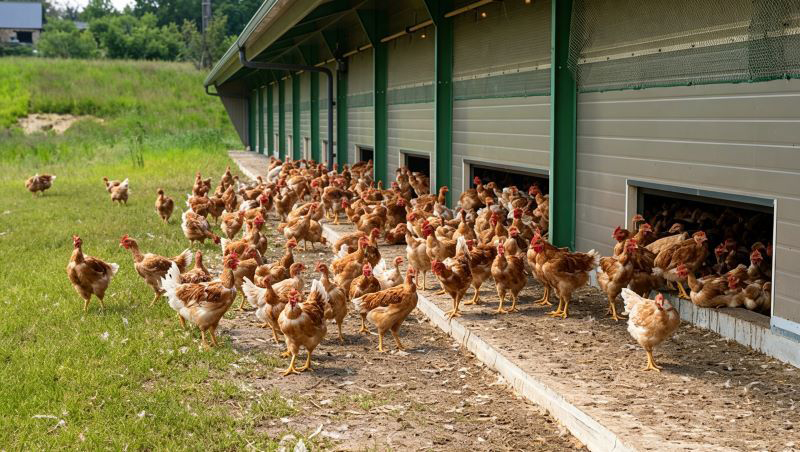
El Niño-related climate variability may create warmer or more humid conditions in some poultry-producing regions, increasing challenges in manure and ammonia management. This article examines practical approaches including automated manure removal, ventilation management, moisture control, and odor-treatment options. The effectiveness of each measure depends on local climate, poultry house design, manure characteristics, and operating practices.…
-
El Niño Impact on Broiler House Climate Control: Adaptive Ventilation and Cooling Strategies for Temperature and Humidity Management
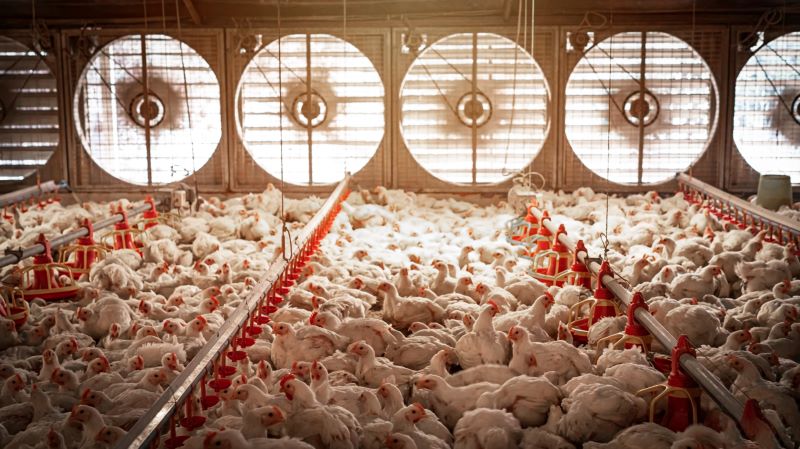
El Niño events may create additional challenges for poultry production by influencing temperature patterns, humidity levels, and precipitation conditions in some regions. This article analyzes the potential impacts of climate fluctuations on broiler house environmental management and discusses adaptive strategies including ventilation system upgrades, evaporative cooling coordination, and real-time environmental monitoring. Effective climate control requires…
-
How does precision feeding in automated poultry farming systems save money?
Manual feeding in broiler houses often leads to uneven feed distribution and significant waste—up to 10% of total feed. Automated feeding systems solve this with precision. Using sensors and timers, they deliver exact portions based on bird age and weight, ensuring consistent intake across the flock. This accuracy reduces feed waste by 5–10%, directly cutting…
Product Categories
Subscribe To Product News
Leave your email address and receive our latest product updates