Your cart is currently empty!
+86 15863276370

Evaporative cooling pads are widely used in poultry houses to reduce incoming air temperature through water evaporation. However, cooling performance depends not only on pad design and airflow but also on water quality and regular maintenance.
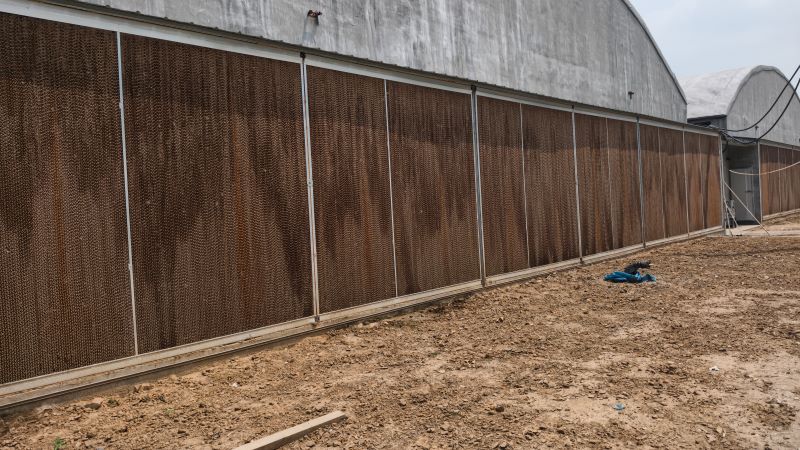
Water with high mineral content can gradually leave deposits on the pad surface. Calcium and other dissolved minerals may accumulate as water evaporates, reducing the ability of the pad material to absorb and distribute water evenly. Uneven wetting can reduce effective evaporation and may create dry areas within the cooling pad.
Water hardness and pH should therefore be monitored as part of routine maintenance. The appropriate management range may vary according to the water source, pad material, and local water chemistry, so farms should avoid relying on a single universal setting.
Regular bleed-off or controlled water discharge can help limit the concentration of dissolved minerals in the recirculating system. Periodic flushing of pipes, pumps, and cooling pads can also remove sediment and reduce the risk of blockage. Water testing provides useful information for determining whether additional treatment or adjusted maintenance procedures are needed.
Maintenance should also include checking water distribution, pump performance, pad wetting uniformity, and visible mineral buildup. Cleaning methods should be compatible with the pad material and equipment manufacturer’s recommendations.
Effective water management does not simply mean using more water. The goal is to maintain clean circulation, uniform pad wetting, and suitable water quality. With regular monitoring and preventive maintenance, poultry farms can help maintain stable evaporative cooling performance and extend the service life of cooling equipment.
Share this:
Other Posts
-
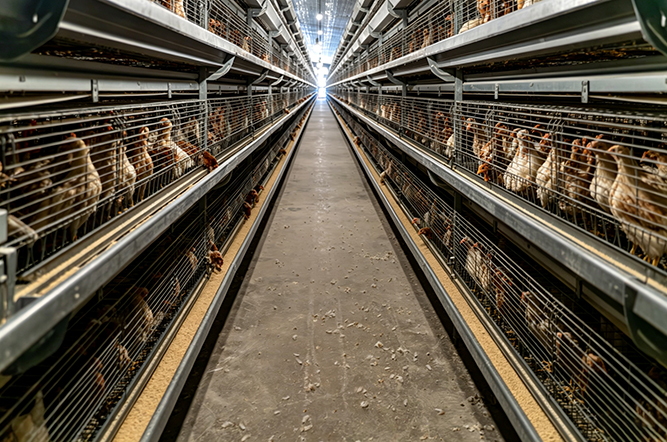
Poultry Farm Automation Trends: Why More Commercial Farms Are Adopting Automated Farming Systems
Poultry farm automation is becoming increasingly relevant as commercial farms seek greater efficiency, consistency, and better resource management. Automated feeding, drinking, ventilation, manure removal, and climate-control systems can reduce repetitive manual work and support more standardized daily operations. However, automation decisions should be based on farm scale, housing design, climate, production objectives, energy use, and…
-
Hello world!
Welcome to WordPress. This is your first post. Edit or delete it, then start writing!
-
Professional Broiler Breeding Equipment, Boosting Efficient Farming
As a professional manufacturer of broiler breeding equipment, we are committed to providing advanced layer-stacked broiler cage systems for farmers. Our products are made of high-quality hot-dip galvanized steel with a service life of over 15 years, featuring corrosion resistance and anti-aging properties to ensure long-term stable operation. Core Advantages: Our equipment adopts a frame…
-
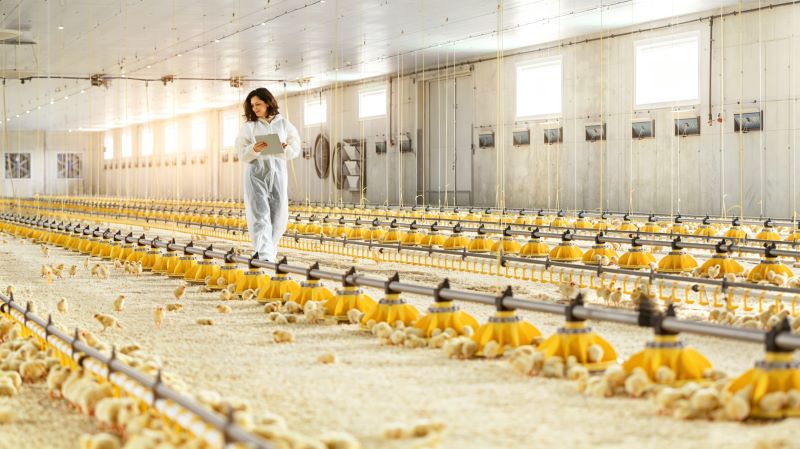
From Labor Shortage to Smart Farming: How Automated Feeding Systems Enable Long-Term Efficiency and Strategic Transformation in Poultry Production
Labor shortages are increasingly influencing poultry production systems worldwide. This article explores how automated feeding systems can reduce reliance on unstable labor while improving feeding consistency, production efficiency, and management standardization. It highlights the transition from labor-intensive to low-labor farming models and emphasizes automation as a long-term strategic investment rather than a short-term cost-saving measure.…
Product Categories
Subscribe To Product News
Leave your email address and receive our latest product updates