Your cart is currently empty!
+86 15863276370

Climate variability associated with El Niño can create warmer or more humid conditions in some regions. For poultry farms, these environmental changes may increase the difficulty of managing manure moisture, ammonia emissions, and odor, particularly when ventilation and waste handling are not properly coordinated.
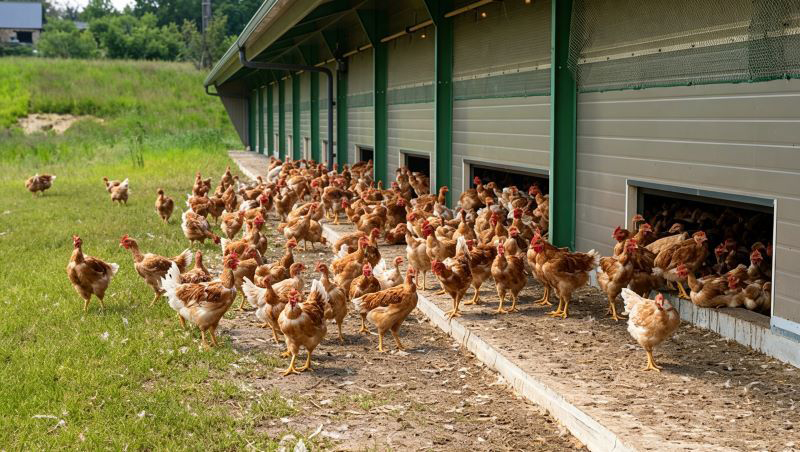
Ammonia is mainly produced when nitrogen-containing compounds in poultry manure are decomposed. Higher manure moisture and temperature can influence this process, while insufficient ventilation may allow ammonia concentrations to increase inside or around poultry housing.
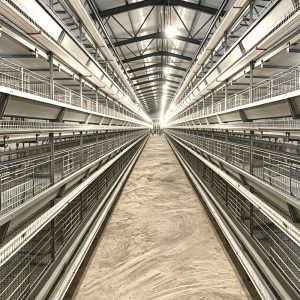
Frequent manure removal is one practical management strategy. Manure belts or other automated removal systems can shorten the time manure remains inside the poultry house, helping improve waste-handling efficiency. The appropriate cleaning frequency should be determined according to manure moisture, flock size, house design, and local conditions.
Ventilation management is equally important. Adequate airflow helps remove moisture and gases from the house, while poorly managed ventilation can increase environmental problems. Odor-control equipment, including suitable air treatment or biofilter systems, may provide additional support where local conditions require it.
Biological odor-control products may also be considered, but their effectiveness can vary with temperature, moisture, application method, and manure characteristics. Farms should evaluate such products through site-specific testing rather than assuming identical results across different regions.
Overall, effective ammonia management requires a combination of manure removal, ventilation, moisture control, and appropriate odor-treatment measures. Climate conditions should be considered when developing seasonal waste-management plans.
Share this:
Other Posts
-
Precision Feeding Mechanism Using Sensors to Monitor Pan Feed Levels
Precision feeding relies on real‑time monitoring of feed remaining in pans. Load cells or infrared sensors placed under each pan continuously measure feed weight or fill height. When the measured level drops below a preset threshold, the controller activates the auger or chain feeder to deliver a small, measured amount of feed. This closed‑loop mechanism…
-
From Design to Implementation: A Practical Guide to Biosecurity Layout for Floor Rearing Farms
Effective biosecurity starts with a clear layout. Separate clean and dirty zones clearly. The entry point should include a changing room, footbath, and hand sanitizer. Place sealed fences around the farm to prevent wild birds and rodents from entering. Design a one-way flow: workers move from office to changing room to house, never backward. Vehicles…
-
What Scale Makes Automation Most Cost-Effective? A Study on the Size Threshold for Floor Rearing Equipment Payback
For floor rearing farms, automation becomes cost-effective when scale passes a certain threshold. Using a 12–24 month payback benchmark, analysis shows that 10,000 birds per house is the minimum viable scale for automated feeding systems. Below 8,000 birds, labor savings do not offset equipment costs. At 15,000–20,000 birds, payback drops to 12–18 months, and automated ventilation becomes…
-
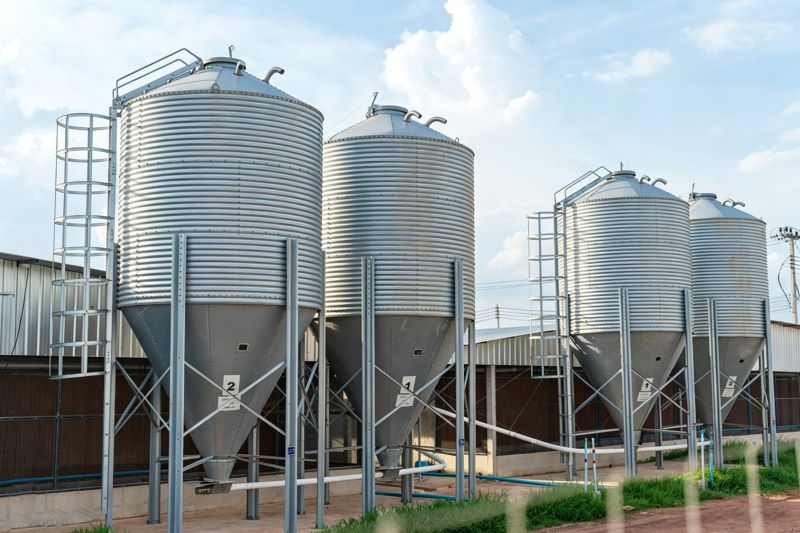
How Moldy Feed Drives Gut Disease in Broilers – and Your Vet Bills
As a poultry equipment manufacturer serving farms across multiple regions, we see a recurring pattern: farms with frequent gut disease outbreaks often have one thing in common—poor feed storage conditions. Feed Mold Is More Common Than You Think Mycotoxins—toxic compounds produced by mold fungi—are widespread in poultry feed. Global surveys show 24% to 66% of…
Product Categories
Subscribe To Product News
Leave your email address and receive our latest product updates