Your cart is currently empty!
+86 15863276370

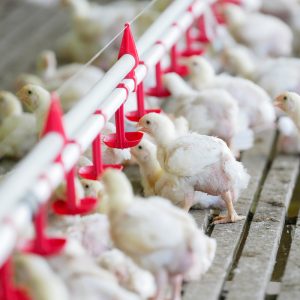
Watering system choice impacts bird health, water consumption, and labor. Nipple drinkers provide fresh, clean water on demand, reducing spillage and litter moisture. This lowers ammonia emission and footpad dermatitis incidence. Nipples also prevent fecal contamination, improving biosecurity. However, initial cost is higher, and birds need training to use them.
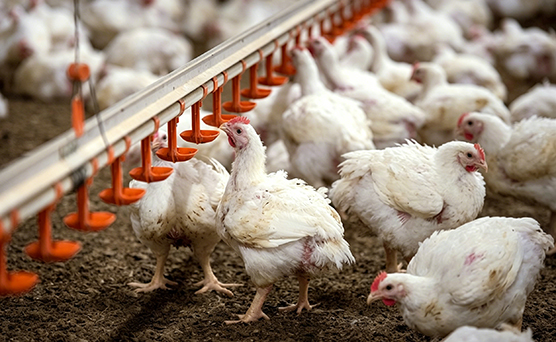
Traditional troughs are cheaper and simpler, requiring no training. But open water surfaces accumulate dust, feed, and droppings, raising disease risk. Troughs cause frequent spillage, wetting litter and increasing coccidiosis and pododermatitis. Cleaning troughs demands daily labor.
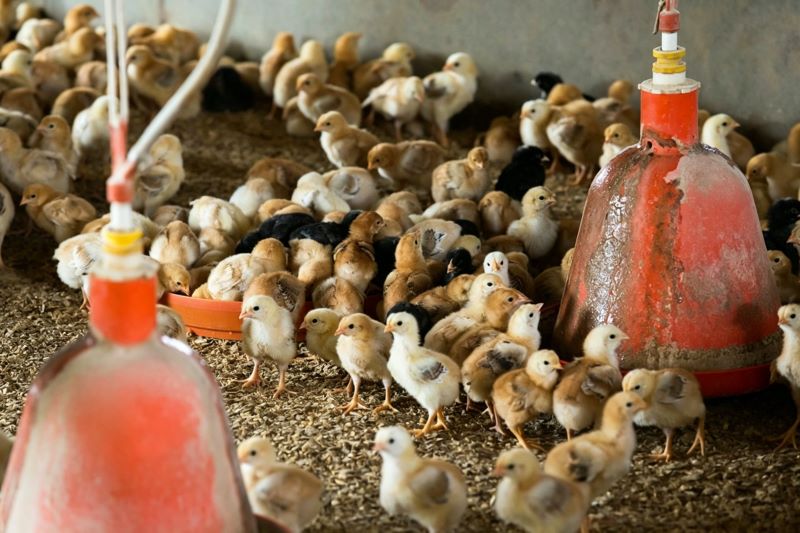
For modern farms prioritizing hygiene and automation, nipple drinkers are superior despite higher upfront investment. For small-scale or low-budget operations, troughs may still work but require rigorous cleaning. Recommendation: invest in nipple drinkers for long-term savings in medication, litter replacement, and labor.
Share this:
Other Posts
-
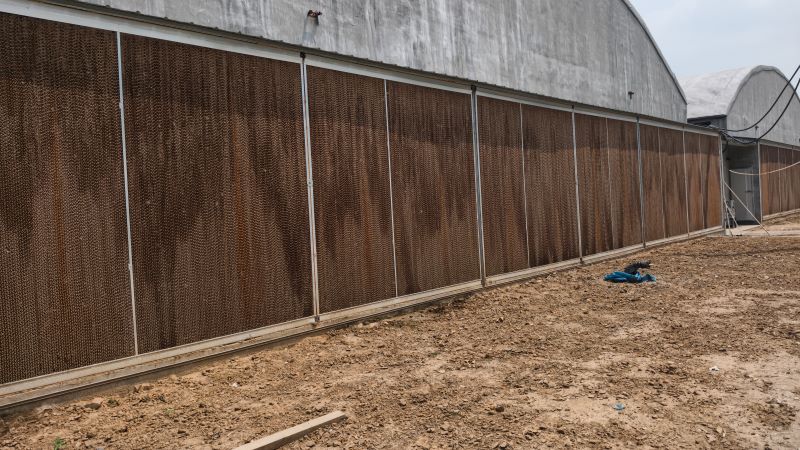
Evaporative Cooling Pad Water Quality and Maintenance: How Hardness, pH, and Mineral Scale Affect Cooling Performance
Water quality is an important factor affecting the performance and maintenance of evaporative cooling pads in poultry houses. High mineral content, unsuitable pH conditions, and accumulated scale can interfere with water distribution and evaporation efficiency. This article examines practical maintenance strategies, including water testing, controlled bleed-off, periodic flushing, and routine inspection. Effective water management can…
-
Optimizing Litter Depth and Turning Frequency: A Litter Management Strategy to Reduce Microbial Fermentation Heat
Litter moisture and microbial activity generate heat inside poultry houses, increasing bird heat stress and ammonia emissions. This study examines how adjusting litter depth and turning frequency can mitigate fermentation heat. Deep litter (over 15 cm) insulates and promotes anaerobic zones, raising core temperature. Shallow litter (below 5 cm) dries quickly but fails to absorb…
-
Nighttime Feeding and Light Regulation Strategies: Behavioral Intervention to Avoid High-Temperature Periods and Impacts on Growth Performance
High ambient temperatures suppress feed intake in broilers, reducing growth and feed efficiency. Nighttime feeding combined with adjusted light schedules offers an effective solution. By shifting feeding to cooler evening and early morning hours, birds consume more feed when heat stress is minimal. A light regimen of 4 hours light, 2 hours dark during nighttime…
-
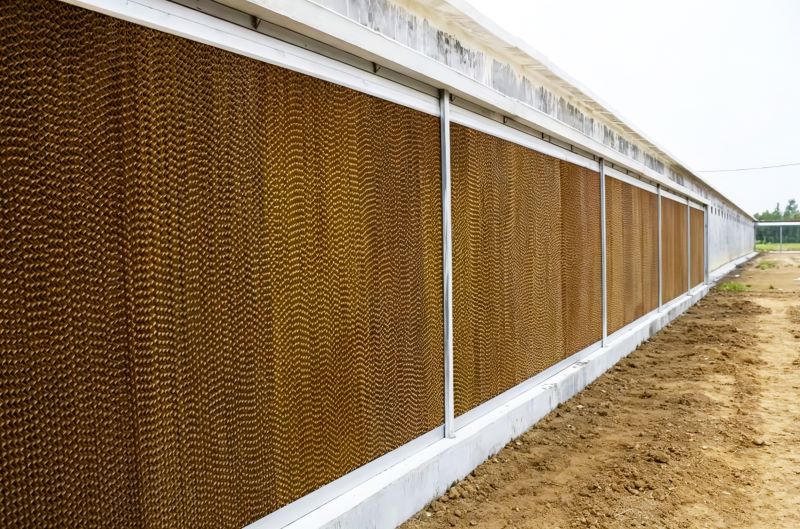
How to Calculate Cooling Pad Area Based on Fan Airflow in Poultry Houses
This article explains how to properly size evaporative cooling pad area based on tunnel ventilation fan airflow instead of house area, ensuring stable airflow and better cooling efficiency in poultry houses.
Product Categories
Subscribe To Product News
Leave your email address and receive our latest product updates