Your cart is currently empty!
+86 15863276370

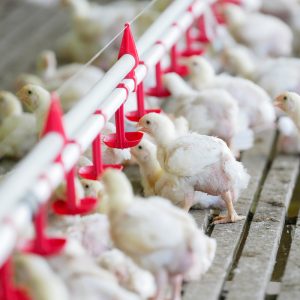
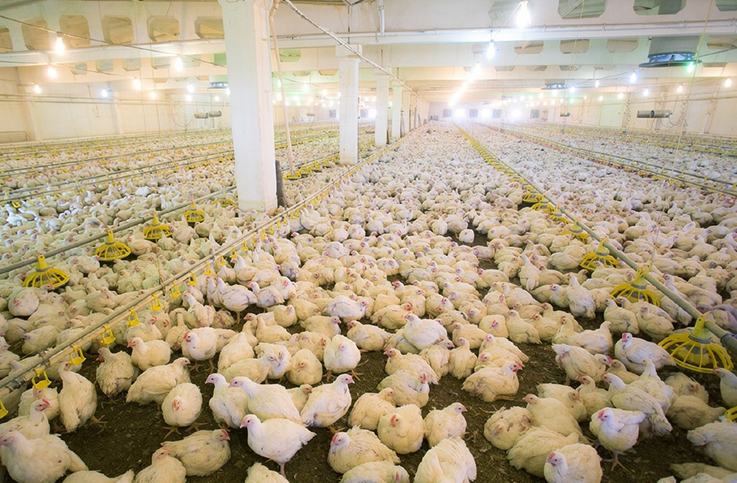
High ambient temperatures suppress feed intake in broilers, reducing growth and feed efficiency. Nighttime feeding combined with adjusted light schedules offers an effective solution.
By shifting feeding to cooler evening and early morning hours, birds consume more feed when heat stress is minimal. A light regimen of 4 hours light, 2 hours dark during nighttime encourages multiple feeding bouts without prolonged fasting.
Studies show this strategy increases daily feed intake by 8–12% during hot seasons, improves body weight gain by 6–10%, and reduces mortality from heat stress by up to 30%. Additionally, feed conversion ratio improves modestly due to better nutrient utilization.
Implementing programmable timers for lights and feeders requires low investment but delivers consistent returns. For farms in tropical regions, nighttime feeding with light manipulation is a practical, low-cost adaptation to rising temperatures.
Share this:
Other Posts
-
Empirical Analysis of 5–10% Feed Savings in a 10,000-Broiler Farm
Feed cost accounts for the largest proportion of expenses in broiler farming, making efficiency improvements highly valuable. This study presents an empirical analysis of achieving 5–10% feed savings in a 10,000-broiler farm through optimized management and automated equipment. The research focuses on the application of precision feeding systems, uniform feed distribution, and reduced feed wastage.…
-
Broiler Drinking Water Management in Summer: Density, Temperature, and Electrolytes for Heat Stress Relief
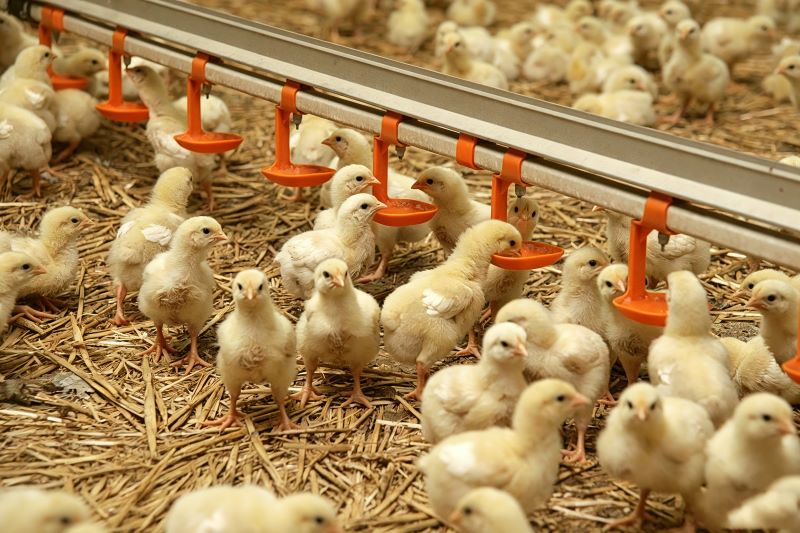
Water is the most critical nutrient for broilers during hot weather. When temperatures rise, birds can double their water intake. Yet many farms overlook three key factors: drinker density, water temperature, and electrolyte supplementation. Here’s what the data shows. Drinker Density: Enough Points Matter Inadequate drinker access is a primary bottleneck during heat stress. Industry…
-
Poultry House Cooling Sequence During Extreme Heat: When to Start Tunnel Fans and Evaporative Cooling Pads
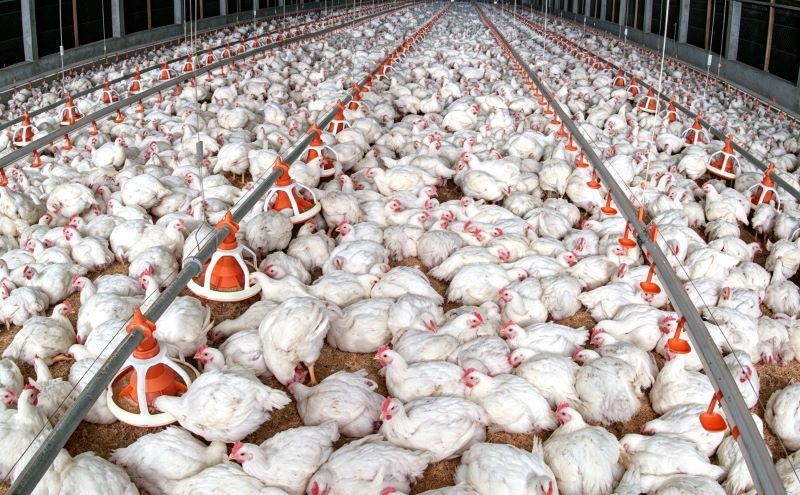
Extreme heat requires a coordinated cooling strategy in poultry houses. A staged approach generally begins with increased tunnel ventilation to remove accumulated heat and improve air movement. Evaporative cooling pads can then be introduced when ventilation alone is insufficient, provided that humidity and airflow conditions are suitable. During severe heat, fans and cooling pads can…
-
Smart Monitoring Systems in Poultry Farming: Efficiency Improvements and Operational Mechanisms
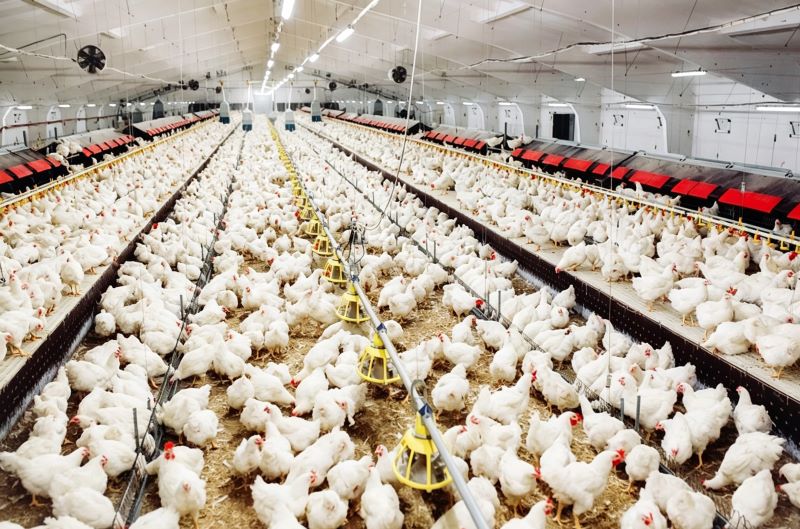
Smart monitoring systems are increasingly used in modern poultry farming to improve production efficiency, environmental stability, and overall flock performance. In commercial broiler production environments, integrated monitoring solutions have been associated with productivity improvements of approximately 20–34%, depending on farm scale, equipment configuration, and management practices. The main mechanism behind this improvement is real-time environmental…
Product Categories
Subscribe To Product News
Leave your email address and receive our latest product updates