Your cart is currently empty!
+86 15863276370

Litter moisture and microbial activity generate heat inside poultry houses, increasing bird heat stress and ammonia emissions. This study examines how adjusting litter depth and turning frequency can mitigate fermentation heat. Deep litter (over 15 cm) insulates and promotes anaerobic zones, raising core temperature. Shallow litter (below 5 cm) dries quickly but fails to absorb manure adequately. An optimal depth of 8–12 cm balances moisture absorption and heat dissipation.
Turning litter once daily releases trapped heat and oxygenates the top layer, slowing anaerobic fermentation. Increasing to twice daily during hot weather further reduces surface temperature by 2–3°C. Field trials on 20,000-bird houses showed that optimized depth (10 cm) plus twice-daily turning lowered litter core temperature by 4°C, reduced ammonia by 30%, and decreased pododermatitis incidence by 18%. This low-cost management strategy complements ventilation and feeding programs, improving bird welfare and litter quality without major investment.
Share this:
Other Posts
-
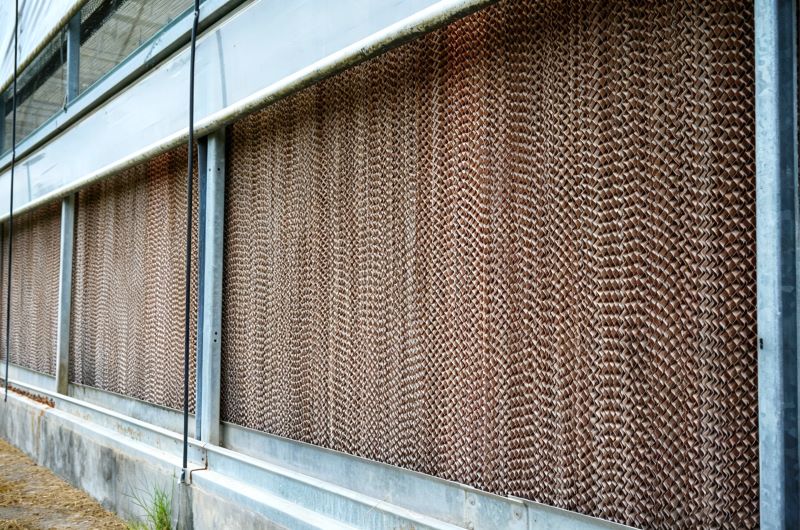
Why Poultry House Cooling Pads Underperform in Summer: Common Causes and Optimization Strategies for Better Heat Stress Control
Evaporative cooling pads are an important component of modern poultry house climate control systems, especially during high-temperature seasons. However, cooling performance may decline due to factors such as insufficient airflow, improper ventilation design, poor maintenance, water quality issues, and unsuitable house structures. This article analyzes the main causes affecting cooling pad efficiency and provides practical…
-
Indonesia, Vietnam, the Philippines: Opportunities and Entry Strategies for Floor Rearing Equipment in Southeast Asia’s Three Key Markets
Southeast Asia’s poultry sector is shifting from backyard farming to commercial production, creating strong demand for floor rearing equipment. Indonesia, Vietnam, and the Philippines represent the region’s most promising markets. Indonesia has the largest broiler population but faces fragmentation. Success requires affordable semi‑automated systems and local after‑sales support. Vietnam’s market is more structured, with growing…
-
Precision Feeding Mechanism Using Sensors to Monitor Pan Feed Levels
Precision feeding relies on real‑time monitoring of feed remaining in pans. Load cells or infrared sensors placed under each pan continuously measure feed weight or fill height. When the measured level drops below a preset threshold, the controller activates the auger or chain feeder to deliver a small, measured amount of feed. This closed‑loop mechanism…
-
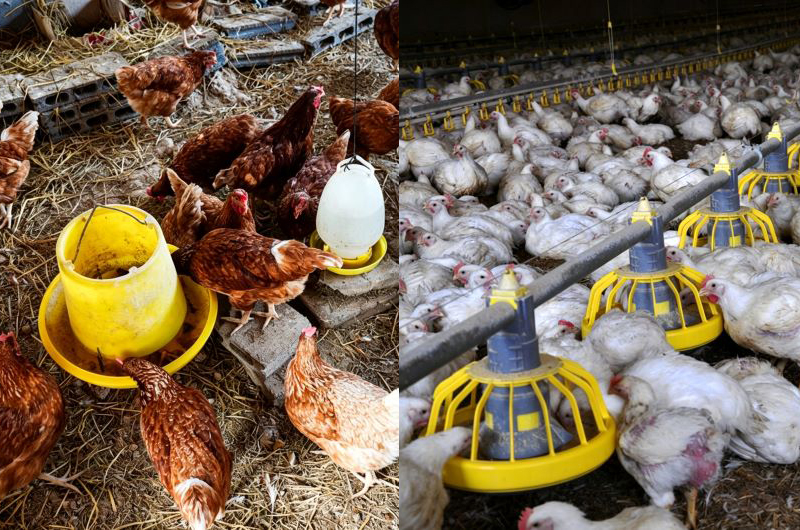
From Feed Waste to Precision Feeding: How Better Feed Management Can Improve Broiler FCR and ROI
Feed is one of the major operating costs in broiler production, making feed efficiency an important factor in farm profitability. Precision feeding and well-designed feeding equipment can help reduce unnecessary feed waste and improve feeding consistency. However, the return on investment depends on farm conditions and should be evaluated using actual production data.
Product Categories
Subscribe To Product News
Leave your email address and receive our latest product updates