Your cart is currently empty!
+86 15863276370

Heat stress is one of the major environmental challenges affecting broiler production in tropical and subtropical regions. During El Niño-related periods, some areas may experience prolonged high temperatures and increased climate variability, creating additional pressure on poultry house management. Effective heat stress control is essential for maintaining stable growth performance and production efficiency.
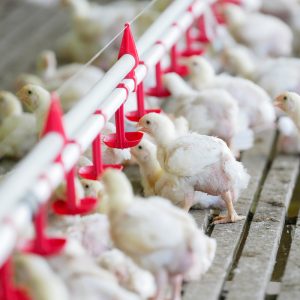
High temperatures can influence broiler feeding behavior, growth rate, and overall flock performance. When birds experience heat stress, they may reduce feed intake as a natural response to lower metabolic heat production. Reduced nutrient intake can affect weight gain and feed efficiency, while prolonged environmental stress may increase management challenges.
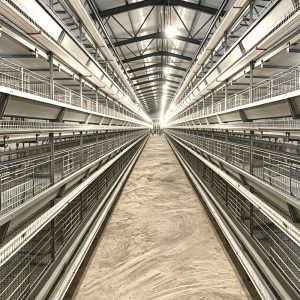
One important strategy is improving poultry house cooling performance. Evaporative cooling pads, ventilation fans, and optimized airflow systems can help reduce indoor temperature and improve air movement. In hot and humid environments, cooling solutions should be combined with proper ventilation management to achieve better environmental control.
Adjusting stocking density is another effective management approach. Lower stocking density during extreme heat periods can reduce total heat production inside the house and improve air circulation around birds. The suitable density level should be determined based on house design, ventilation capacity, and local climate conditions.
Feeding schedule adjustment can also support heat stress management. Providing feed during cooler periods, such as early morning or evening, may encourage feed intake and reduce the additional heat load caused by digestion during peak temperatures.
Overall, managing heat stress requires an integrated approach combining cooling equipment, ventilation systems, feeding strategies, and farm management practices. By implementing adaptive solutions based on local climate conditions, poultry producers can improve environmental stability and enhance production resilience during periods of high temperature.
Share this:
Other Posts
-

Automatic Manure Removal System ROI Analysis: Labor Cost, Ammonia Control, and Waste Management Comparison Before and After Installation
Automatic manure removal systems are becoming an important component of modern poultry farm automation. This article compares traditional manual manure handling and automated manure conveyor systems from three perspectives: labor requirements, ammonia management, and waste processing efficiency. Manual cleaning methods may increase labor dependency and create challenges in maintaining consistent environmental conditions. Automated manure removal…
-
Equipment-as-a-Service: Feasibility and Market Acceptance in Automated Poultry Farming
Equipment-as-a-Service (EaaS) is emerging as an innovative procurement model in the livestock industry, particularly in automated poultry farming. Instead of large upfront investments, farmers can access advanced equipment such as feeding systems, ventilation units, and water supply systems through subscription-based or pay-per-use models. This approach significantly reduces financial pressure and allows small and medium-sized farms…
-
Quantified Effect of Dynamic Feed Adjustment on Feed Conversion Ratio Optimization
This study quantifies how dynamic feed adjustment improves feed conversion ratio (FCR) in broiler production. Dynamic adjustment tailors daily feed amounts to match real-time bird weight and intake patterns, unlike fixed feeding schedules. A 35-day trial on 10,000 Ross 308 broilers compared dynamic adjustment (sensor‑based, every 2–4 hours) with conventional fixed feeding. Results showed that…
-
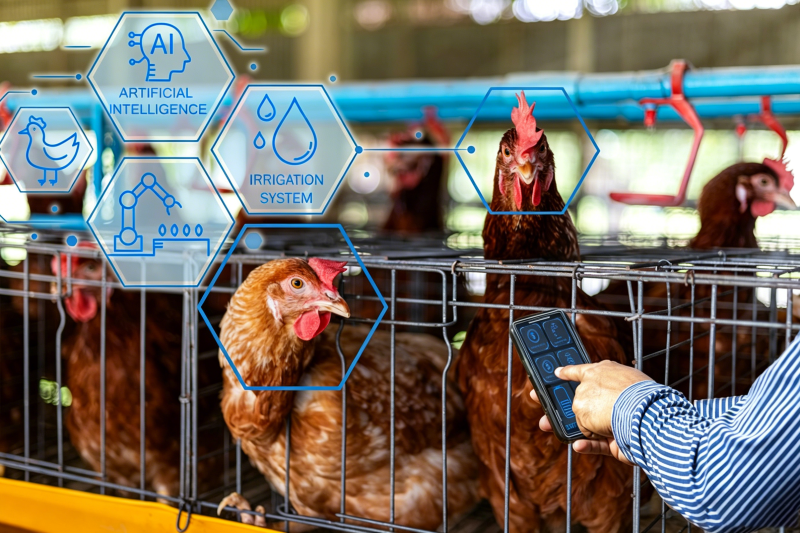
Top 10 Innovation Trends in Poultry Equipment for 2026: From Operational Tools to Strategic Assets
Poultry equipment is no longer just hardware—it is evolving into data-driven decision engines. Here are ten trends shaping the industry. 1. Digital Twins Go OperationalDigital twins move beyond pilot projects. They now simulate flock growth, test ventilation changes, and predict feed conversion before a single bird enters the house. Key shift: from visualization to actionable…
Product Categories
Subscribe To Product News
Leave your email address and receive our latest product updates