Your cart is currently empty!
+86 15863276370

As a poultry equipment manufacturer serving farms across multiple regions, we see a recurring pattern: farms with frequent gut disease outbreaks often have one thing in common—poor feed storage conditions.
Feed Mold Is More Common Than You Think
Mycotoxins—toxic compounds produced by mold fungi—are widespread in poultry feed. Global surveys show 24% to 66% of feed samples test positive for mycotoxin contamination. Aflatoxin B1 (AFB1) and deoxynivalenol (DON) are among the most common contaminants.
How Mold Damages Gut Health
AFB1 disrupts intestinal microbiota, triggers oxidative stress, impairs gut morphology, and reduces nutrient absorption—directly suppressing growth. DON reduces feed intake, damages gut barrier function, and weakens immune defense, making birds more vulnerable to infections like necrotic enteritis.
The Cost of Ignoring Feed Quality
For a medium‑scale broiler farm, mycotoxin‑related losses can exceed £150,000 annually—from reduced feed efficiency, higher mortality, and increased medication costs.
Where Equipment Makes the Difference
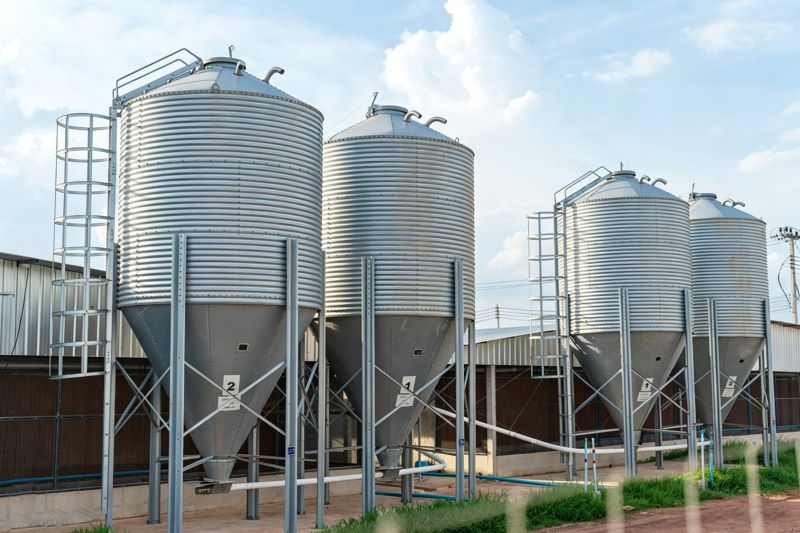
Feed storage is often the weakest link. Poorly sealed silos allow moisture ingress, creating ideal conditions for mold growth. At [Your Company Name], our sealed feed silos are designed to keep feed dry and protected—reducing mold risk before it reaches the birds.
What You Can Do
- Test feed regularly for mycotoxin levels
- Store feed in dry, well‑ventilated conditions
- Consider mycotoxin binders in feed formulation
- Monitor flock for early signs of gut issues
Feed quality starts with storage. We help farms protect it.
Learn more about our sealed feed storage solutions → [https://www.breedingmachinery.com/product-category/feed-line-system/]
Share this:
Other Posts
-
Poultry House Orientation and Heat Stress Reduction: East–West vs North–South Layout Impact on Solar Heat Gain
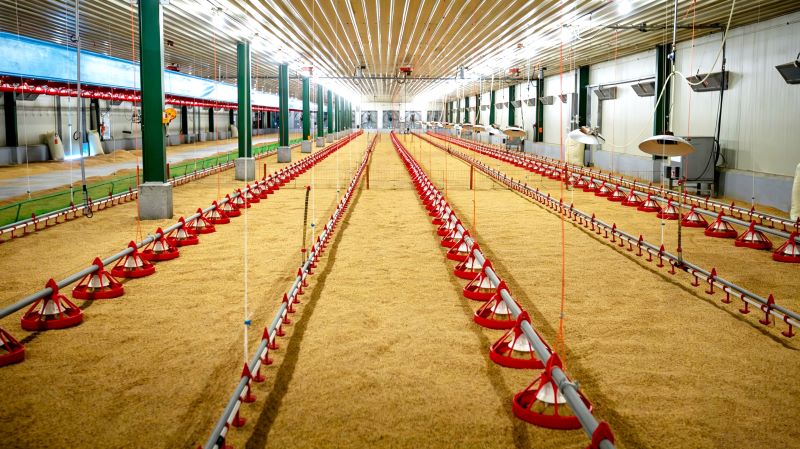
Poultry house orientation is a fundamental design parameter that directly affects thermal comfort, ventilation efficiency, and broiler performance. In commercial poultry production systems, improper building orientation can significantly increase solar heat gain and raise the risk of heat stress, especially in hot climate regions. An east–west oriented poultry house is typically more exposed to direct…
-
Top 10 Innovation Trends in Poultry Equipment for 2026: From Operational Tools to Strategic Assets
Poultry equipment is no longer just hardware—it is evolving into data-driven decision engines. Here are ten trends shaping the industry. 1. Digital Twins Go OperationalDigital twins move beyond pilot projects. They now simulate flock growth, test ventilation changes, and predict feed conversion before a single bird enters the house. Key shift: from visualization to actionable…
-
Global Poultry Industry Labor Shortage: Impact on Costs and Farm Operations Across Major Regions
Labor shortages have become a critical challenge in the global poultry industry, particularly across Europe, the Middle East, and Southeast Asia. The main drivers include population aging, declining interest among younger generations in agricultural work, and increasingly strict immigration policies that limit access to foreign labor. In Europe, many farms face difficulty replacing retiring workers,…
-
Hello world!
Welcome to WordPress. This is your first post. Edit or delete it, then start writing!
Product Categories
Subscribe To Product News
Leave your email address and receive our latest product updates