Your cart is currently empty!
+86 15863276370

Mold prevention should begin before feed reaches the poultry house. Moisture, poor ventilation, temperature fluctuations, and prolonged storage can create conditions that encourage mold growth and reduce feed quality.
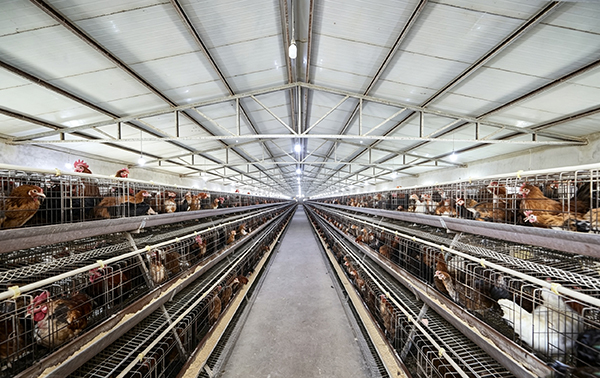
A practical feed quality management strategy includes keeping feed storage areas dry, checking storage equipment regularly, controlling moisture exposure, and using properly designed feed silos or sealed storage systems where appropriate. Feed lines and feeders should also be cleaned and inspected to prevent old feed from accumulating.
Poor-quality or contaminated feed may affect bird performance and can create additional management challenges. However, it is important not to assume that every health problem or mortality event is caused by mold. Flock health is influenced by nutrition, biosecurity, ventilation, stocking conditions, water quality, disease pressure, and management practices.
The economic benefit of mold prevention can therefore be evaluated through several indicators, including feed waste, flock performance, mortality, veterinary expenses, and treatment-related costs. Comparing these indicators across production cycles can help identify whether improvements in feed storage and distribution are producing measurable benefits.
The objective is not simply to reduce medication costs, but to establish a more stable feeding environment and prevent avoidable feed-quality problems.
For commercial poultry farms, combining proper feed storage, regular equipment maintenance, feed-quality monitoring, and professional flock health management provides a more reliable approach to controlling operating risks and improving long-term production efficiency.
Share this:
Other Posts
-
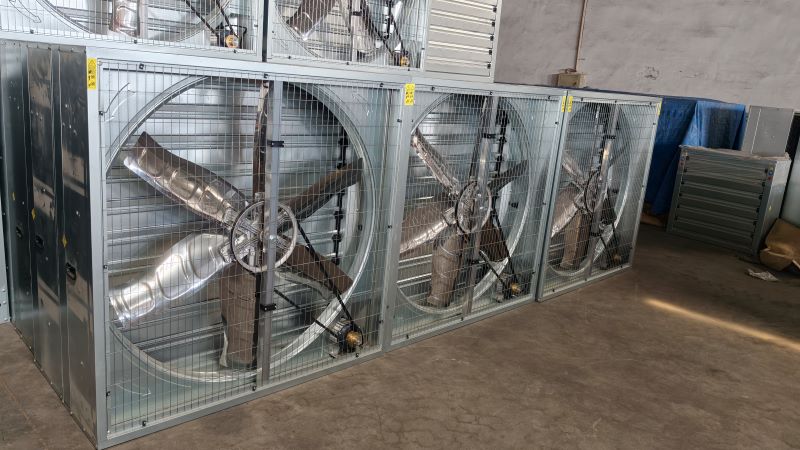
How Variable-Speed Poultry Fans Reduce Energy Use Without Compromising Cooling Performance
Variable-speed poultry fans can help farms balance cooling performance and electricity consumption by adjusting airflow according to environmental conditions. Instead of operating continuously at full speed, fans can run at lower speeds during moderate conditions and increase capacity when temperatures rise. When integrated with temperature sensors, evaporative cooling pads, and climate-control systems, variable-speed ventilation can…
-
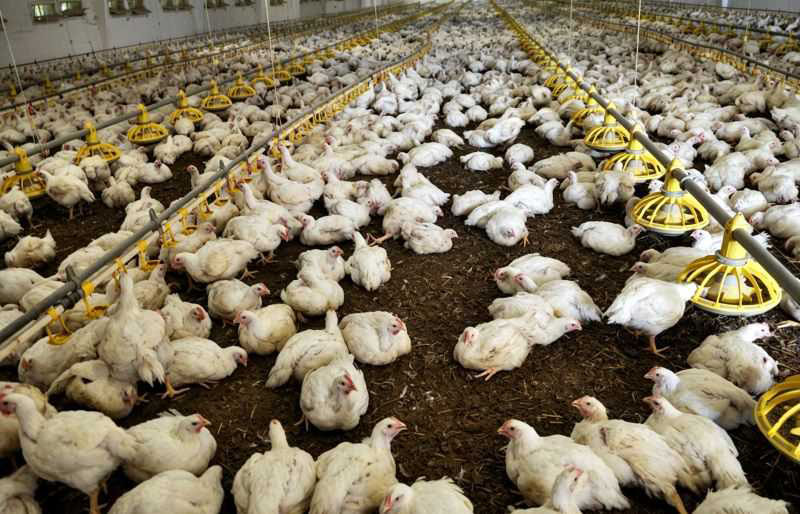
Poultry Farm Automation Trends: Why More Commercial Farms Are Adopting Automated Farming Systems
Poultry farm automation is becoming increasingly relevant as commercial farms seek greater efficiency, consistency, and better resource management. Automated feeding, drinking, ventilation, manure removal, and climate-control systems can reduce repetitive manual work and support more standardized daily operations. However, automation decisions should be based on farm scale, housing design, climate, production objectives, energy use, and…
-
Equipment Challenges in Hot and Humid Conditions: Technical Adaptations for Floor Rearing Systems in the Middle East
The Middle East challenges poultry farming with temperatures exceeding 50°C and high humidity. Standard floor rearing equipment requires significant adaptation. Ventilation demands oversized tunnel systems with high-capacity fans to maintain airspeed. Evaporative cooling pads need larger surface areas and regular maintenance to prevent mineral buildup. Drinking systems require higher-flow nipple drinkers for adequate hydration. Insulated…
-
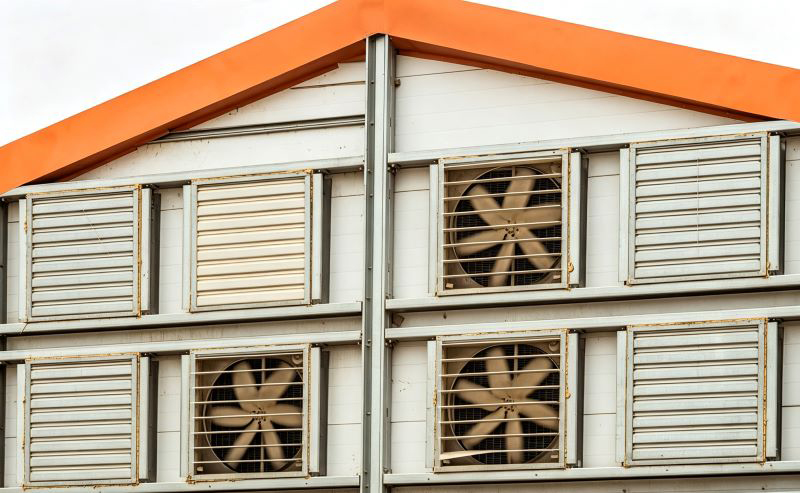
Integrated Poultry Cooling Systems: Combining Fans, Cooling Pads, Fogging and Smart Climate Control
An integrated poultry cooling system combines ventilation fans, evaporative cooling pads, fogging equipment, sensors, and climate controllers to improve environmental management. System configuration should be adapted to local climate conditions. Dry-hot regions may benefit more from evaporative cooling, while hot-humid environments require careful humidity management and sufficient ventilation. ROI evaluation should include equipment investment, energy…
Product Categories
Subscribe To Product News
Leave your email address and receive our latest product updates