Your cart is currently empty!
+86 15863276370

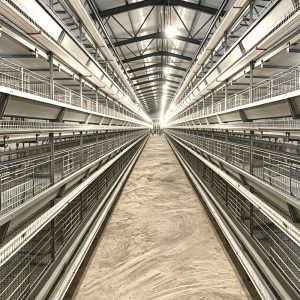
Automation is becoming an increasingly important part of modern poultry production. As farms grow in scale and labor availability becomes more challenging, automated feeding, drinking, ventilation, manure removal, and environmental control systems are being considered as ways to improve operational efficiency.
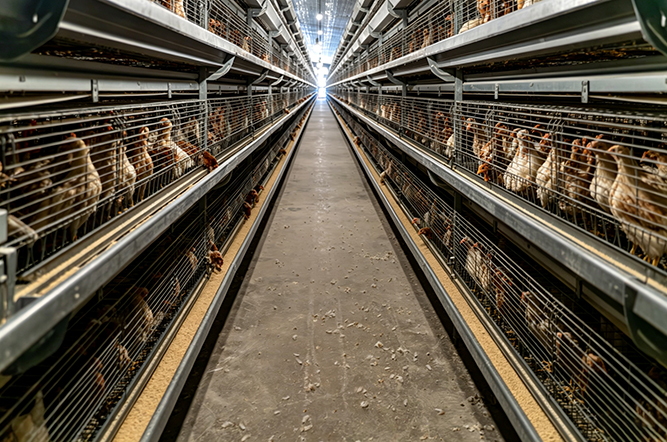
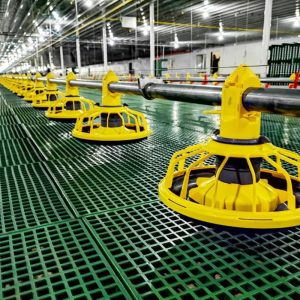
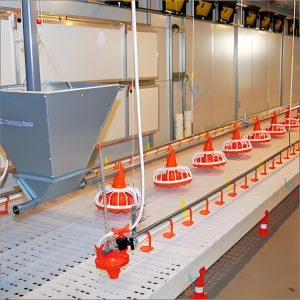
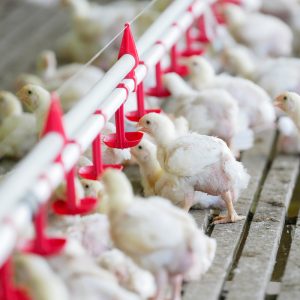
One major advantage of automation is reducing repetitive manual tasks. Automated feeding systems can deliver feed at scheduled intervals, while automatic drinking systems provide a more consistent water supply. Ventilation and climate-control equipment can also respond to environmental conditions, helping farmers manage temperature, humidity, and airflow more efficiently.
Automation can also improve operational consistency. Manual processes may vary between workers and working periods, whereas properly configured equipment can perform routine operations according to predefined settings. This can make daily management more predictable and easier to monitor.
However, automation should not be viewed simply as a way to replace workers. Equipment selection should consider farm size, housing design, climate, production goals, energy consumption, maintenance requirements, and available technical support.
For farms considering an upgrade, a gradual approach can be practical. Feeding, ventilation, drinking, and manure management can be automated according to operational priorities and investment capacity.
The growing interest in poultry automation reflects a broader shift toward more efficient and data-driven farm management. Rather than asking whether automation is necessary, farm operators can evaluate which processes offer the greatest potential for efficiency improvement and begin with the systems that best match their actual needs.
Share this:
Other Posts
-
Deconstructing the Payback Period of Automated Feeding Systems: A Quantitative Analysis of Feed Savings Contribution
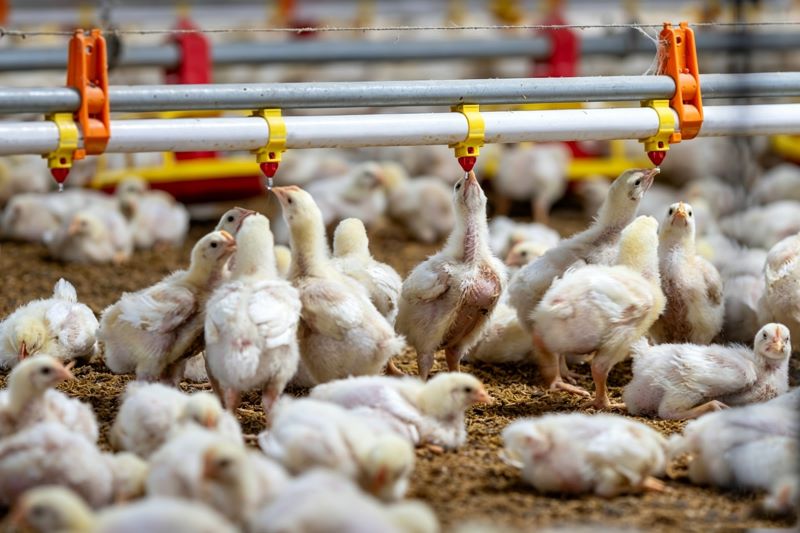
Automated feeding systems significantly shorten payback periods by reducing feed waste. This study quantifies how much feed savings contribute to overall return on investment in a 10,000‑bird broiler house. A typical automated feeding system costs $12,000–$15,000 installed. Annual savings come from three sources: labor (70% reduction, saving ~$10,000), feed waste reduction (5–10% saving, ~$2,700–$5,400), and…
-
Labor Cost Estimation in the US and EU: How Automated Feeding Replaces 2–3 Workers per 10,000-Bird Broiler Farm
In the US and EU, hourly wages for farm labor range from 15to15to20. Manual feeding of a 10,000-bird house requires two to three full‑time workers. Annual labor cost per worker (2,080 hours) is 31,200–31,200–41,600. Thus, total manual feeding labor costs 62,400–62,400–124,800 per year. Automated feeding systems (silo, auger, pan feeders) reduce this to one part‑time worker (approx. 500…
-
How to Choose Your Poultry System
How to Choose the Right Poultry Farming System and Equipment Selecting the right farming method and equipment starts with evaluating your farm scale, climate conditions, and target market. Floor rearing is suitable for welfare-focused farms, offering lower initial investment, easier all-in/all-out sanitation management, and relatively simple litter handling. Cage systems maximize stocking density but face…
-
Global Broiler Equipment Market to Reach $6.87 Billion by 2035
The global broiler farming equipment market is expanding steadily. Valued at $4.18 billion in 2025, it is projected to grow to $6.87 billion by 2035, driven by rising poultry consumption and farm automation. Key growth factors include labor shortages in developed regions, stricter animal welfare regulations favoring floor rearing systems, and climate‑resilient technologies such as…
Product Categories
Subscribe To Product News
Leave your email address and receive our latest product updates