Your cart is currently empty!
+86 15863276370

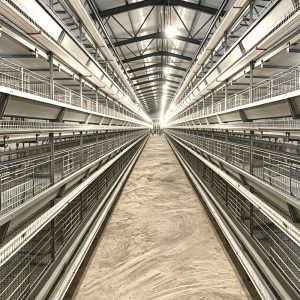
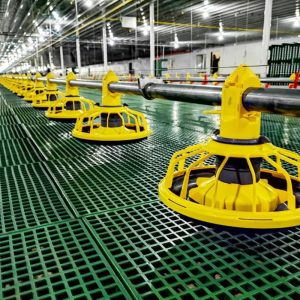
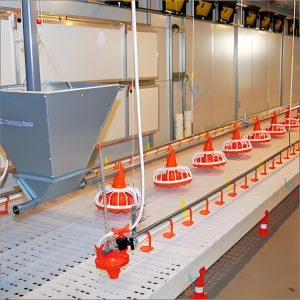
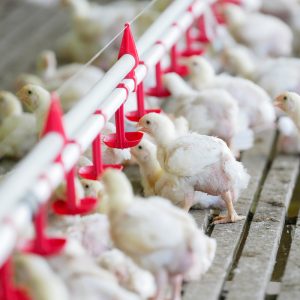
Modern poultry farming equipment has evolved far beyond traditional manual tools. Today’s integrated systems include automated feeders, tunnel ventilation with cooling pads, smart drinking lines, manure handling units, and AI‑driven health monitors. These technologies reduce labor dependence, improve biosecurity, and maximize bird welfare and productivity.
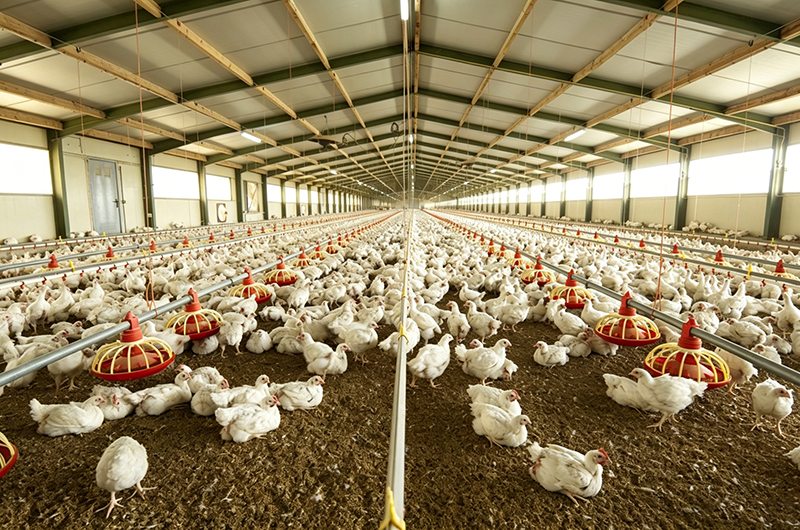
The global market for modern poultry farming equipment reflects this transformation. Valued at $5.03 billion in 2025, it is projected to reach $6.84 billion by 2030, growing at a 6.3% CAGR. Key drivers are rising protein demand, labor shortages, and precision livestock farming.
Several major trends shape the industry. First, automated feeding systems are becoming standard, cutting feed waste by 5–10% and improving feed conversion ratios, with payback within 12–18 months. Second, climate control equipment—tunnel ventilation and cooling pads—prevents heat stress, increasingly essential as extreme weather events become frequent.
Third, the EU’s 2027 cage ban and similar US state laws accelerate the shift to floor rearing and cage‑free systems, boosting demand for welfare‑friendly modern poultry farming equipment such as litter management systems. Fourth, AI and IoT enable real‑time flock monitoring and disease prediction; the AI in precision livestock market grows at 27.9% CAGR. Fifth, tighter environmental regulations drive demand for manure management systems that convert waste into compost or biogas. Sustainability trends also promote solar‑powered ventilation and rainwater harvesting.
For suppliers, investing in modern poultry farming equipment is no longer optional—it is essential to remain competitive. Automation, welfare compliance, and digitalization are redefining farm management worldwide.
Share this:
Other Posts
-
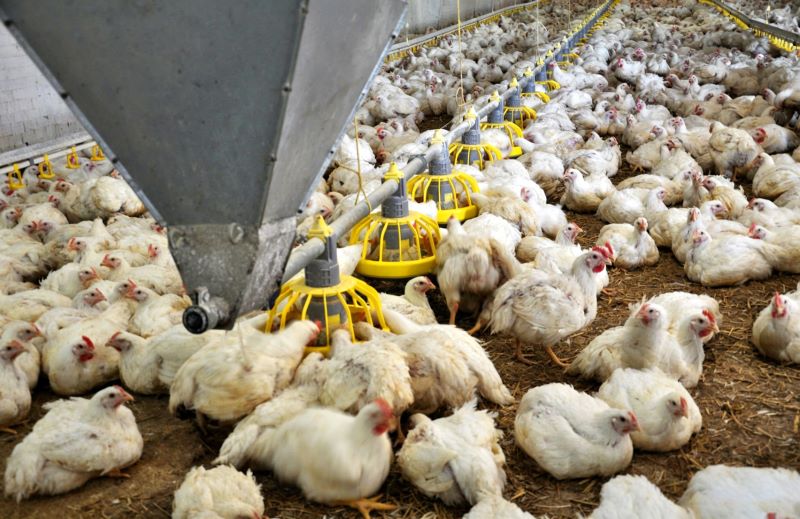
Quantifying Feed Waste in Manual Poultry Feeding: Spillage, Mold Contamination, and Feed Refusal Analysis
Feed efficiency is a critical factor in determining the profitability of commercial poultry production. In manual feeding systems, feed waste is often underestimated, yet it can significantly impact operational costs. This article provides a quantitative breakdown of three major feed loss channels: spillage, mold contamination, and feed refusal. Spillage is one of the most visible…
-
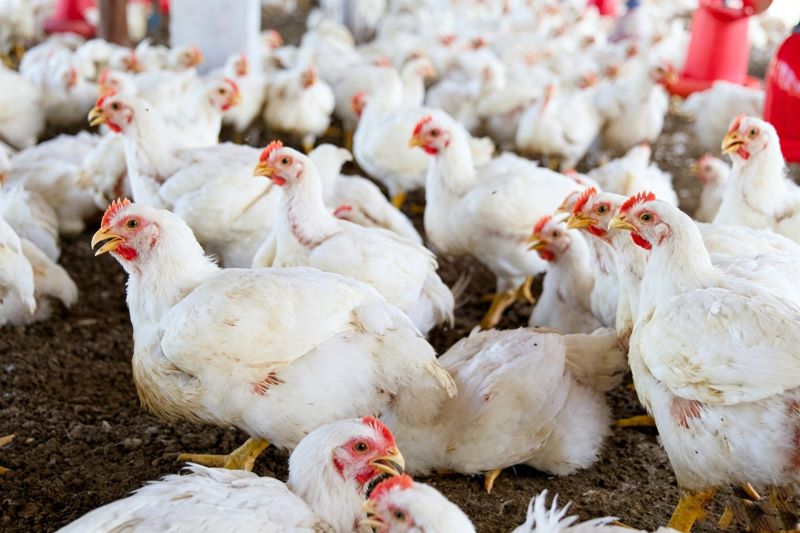
Precision Feeding Delivers 0.05 FCR Improvement – Saves 7.5 Tons of Feed per 10,000 Broilers
What if reducing your feed conversion ratio (FCR) by just 0.05 could save thousands of dollars every year? Our latest field data confirms that automated precision feeding systems consistently achieve this gain – with no extra labor or complex management. Here’s the math for a standard 10,000‑bird house: At today’s feed price of $450/ton, that’s…
-
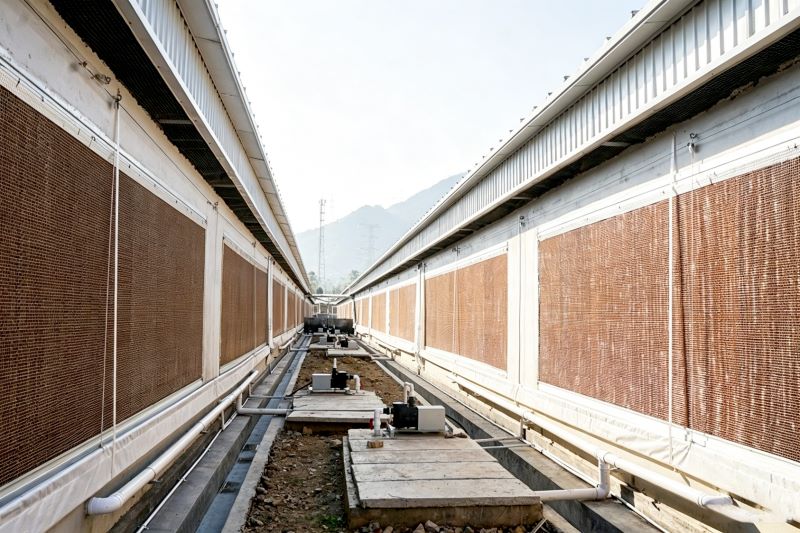
Synergistic Optimization of Cooling Pad Expansion and Water Quality Management: Strategies for Improving Evaporative Cooling Efficiency in Hot and Humid Regions
In tunnel-ventilated poultry houses, evaporative cooling pad performance directly impacts bird welfare and productivity during summer. Two critical factors determine system effectiveness: proper pad sizing and water quality management. Pad Sizing Principles Pad area should be determined by total tunnel fan capacity, not house dimensions. Industry standard recommends one square foot of six-inch pad for…
-
Empirical Estimation of 50% Labor Cost Reduction: A Cost-Saving Model for Automated Feeding in a 10,000-Bird Broiler Farm
This study quantifies labor cost savings from switching to automated feeding in a 10,000-bird broiler farm. Manual feeding requires two full-time workers for feed bag handling, transport, and daily distribution. Annual labor costs include wages (15/hour×8h/day×365days×2workers=15/hour×8h/day×365days×2workers=87,600), plus benefits, recruitment, and training overhead (estimated 25% of wages, 21,900)andmanagementsupervision(21,900)andmanagementsupervision(5,000). Total manual feeding cost: $114,500. Automated feeding uses a…
Product Categories
Subscribe To Product News
Leave your email address and receive our latest product updates