Your cart is currently empty!
+86 15863276370

Feed efficiency is an important factor in poultry production because feed represents a major operating cost. Pan and chain feeding systems are widely used in commercial farms, but their feed-saving performance depends on equipment design, adjustment, flock management, and operating conditions.
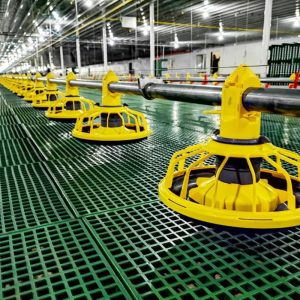
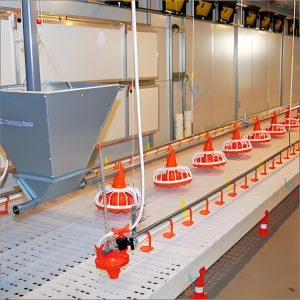
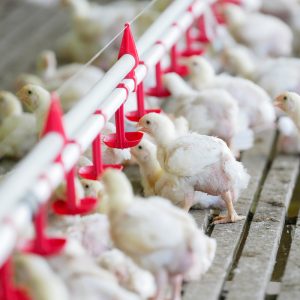
Pan feeding systems distribute feed through individual pans along the feeding line. Proper feed depth and pan adjustment can help control feed accumulation and reduce spillage caused by bird activity. Automated delivery also supports consistent feeding intervals and distribution.
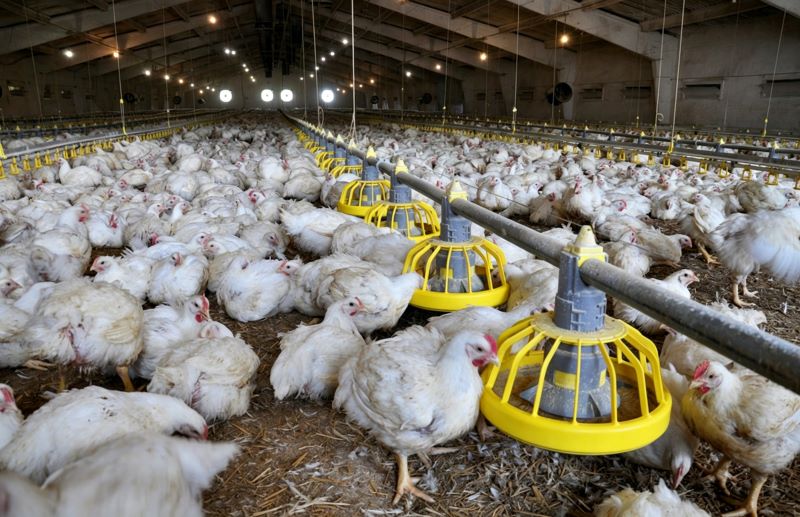
Chain feeding systems transport feed through a continuous trough. They can provide relatively uniform feed distribution along long feeding routes and are suitable for certain housing layouts. However, feed loss may increase if chain speed, feed quantity, or trough settings are not properly adjusted.
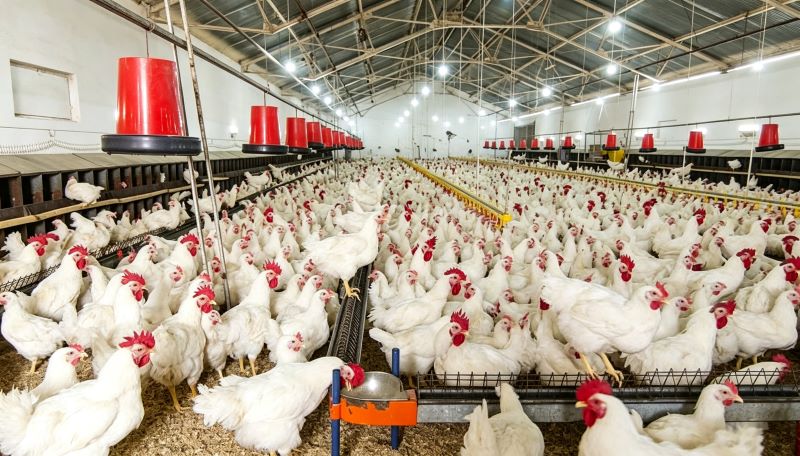
A meaningful comparison should consider more than the equipment type. Key indicators include feed spillage, residual feed, labor requirements, maintenance needs, and feed distribution consistency. Feed quality, bird age, stocking density, and house design can also influence the final results.
Therefore, neither system should be considered universally superior in feed savings. The better choice depends on farm scale, housing structure, feeding objectives, and management practices. Proper equipment selection and regular adjustment are essential for improving feed utilization and reducing avoidable waste.
Share this:
Other Posts
-
Optimizing Litter Depth and Turning Frequency: A Litter Management Strategy to Reduce Microbial Fermentation Heat
Litter moisture and microbial activity generate heat inside poultry houses, increasing bird heat stress and ammonia emissions. This study examines how adjusting litter depth and turning frequency can mitigate fermentation heat. Deep litter (over 15 cm) insulates and promotes anaerobic zones, raising core temperature. Shallow litter (below 5 cm) dries quickly but fails to absorb…
-
Global Broiler Equipment Market to Reach $6.87 Billion by 2035
The global broiler farming equipment market is expanding steadily. Valued at $4.18 billion in 2025, it is projected to grow to $6.87 billion by 2035, driven by rising poultry consumption and farm automation. Key growth factors include labor shortages in developed regions, stricter animal welfare regulations favoring floor rearing systems, and climate‑resilient technologies such as…
-
Semi-Automatic vs. Fully Automatic: Investment Payback and Decision Reference
Based on 2025-2026 international industry data, the choice between semi-automatic and fully automatic upgrades hinges on production scale and capital strategy.Semi-automatic lines offer a lower entry barrier, with initial investments typically 35-60% lower than fully automatic counterparts. For instance, in sectors like block making, semi-automatic machines cost $25,000-$50,000 versus $80,000-$150,000 for full automation. While requiring…
-
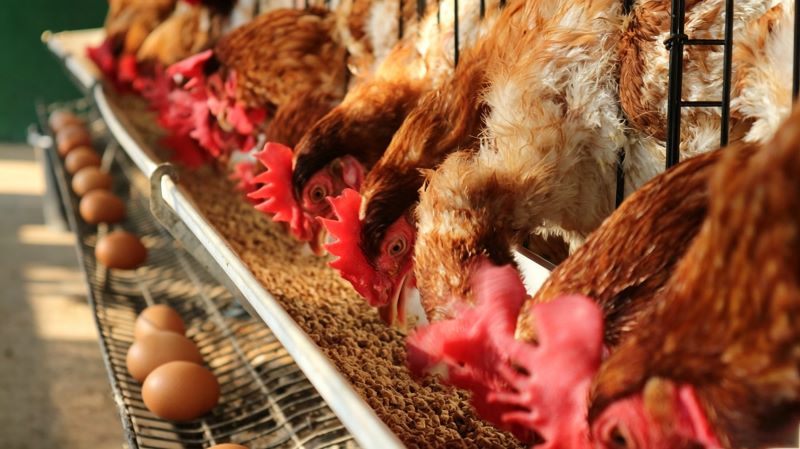
Manual Feeding vs Precision Feeding Systems in Poultry Farming: Efficiency, Cost, and Feed Conversion Comparison
Feed management is one of the most critical factors affecting productivity and cost efficiency in poultry farming. Traditionally, manual feeding has been widely used due to its simplicity and low initial investment. However, with the development of automation technology, precision feeding systems are increasingly replacing manual operations in modern poultry houses. Manual feeding relies heavily…
Product Categories
Subscribe To Product News
Leave your email address and receive our latest product updates