Your cart is currently empty!
+86 15863276370

Temperature management is one of the key challenges in commercial poultry production. Outdoor weather can change rapidly, while birds continuously generate heat and moisture. A single cooling device may therefore be insufficient under changing conditions.
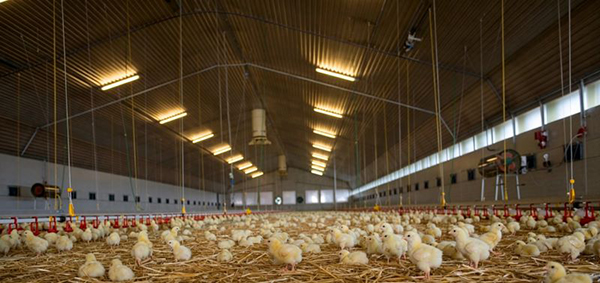
A smart poultry house climate control system can divide cooling into several operating stages. Temperature sensors continuously monitor house conditions, while the controller compares real-time data with predefined control parameters.
Under moderate conditions, the system may operate ventilation fans at an appropriate level to remove excess heat and moisture. As temperature rises, additional ventilation capacity can be activated. When conditions require evaporative cooling, the controller can activate cooling pads or other suitable equipment according to the configured control logic.
This multi-stage approach helps avoid running all equipment simultaneously when it is not necessary. It can also coordinate fans, cooling pads, inlets, and other environmental equipment to maintain more consistent airflow and temperature conditions.
However, temperature alone should not determine every control decision. Relative humidity, air velocity, bird age, stocking density, and outdoor conditions should also be considered. Evaporative cooling, in particular, depends strongly on ambient humidity and airflow.
A practical system should therefore combine sensors, control parameters, equipment response logic, alarms, and manual override functions. Historical temperature and humidity data can also be used to evaluate system performance and refine operating settings.
The goal of intelligent climate control is not simply to turn equipment on automatically, but to create a coordinated and measurable environmental management process.
Share this:
Other Posts
-
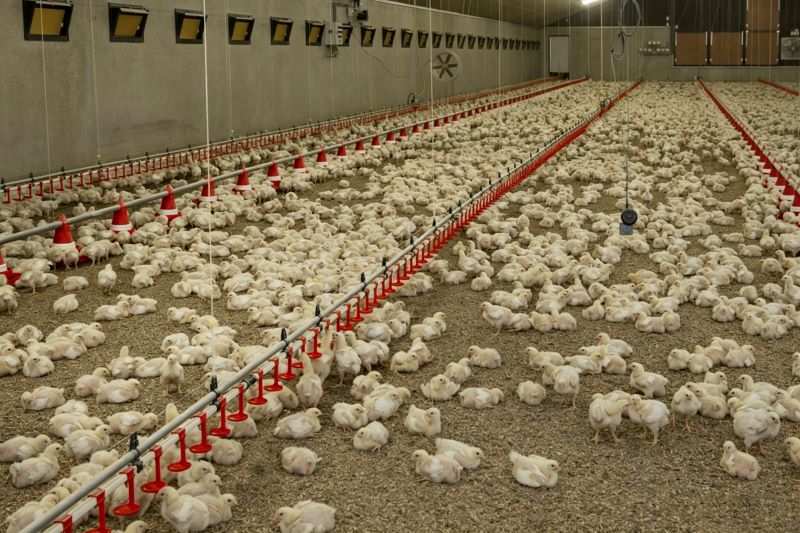
Adjusting Vaccination Programs in Hot Seasons – Timing and Stress Control Strategies Backed by Field Data
High temperatures don’t just affect bird comfort – they also impact vaccine effectiveness. Heat stress elevates corticosterone levels, which can suppress immune responses. Vaccinating during peak heat may add extra stress, reducing antibody production and increasing disease risk. Our field study on 50,000 broilers compared two vaccination schedules: morning (8–10 AM, temperature <26°C) vs. midday…
-
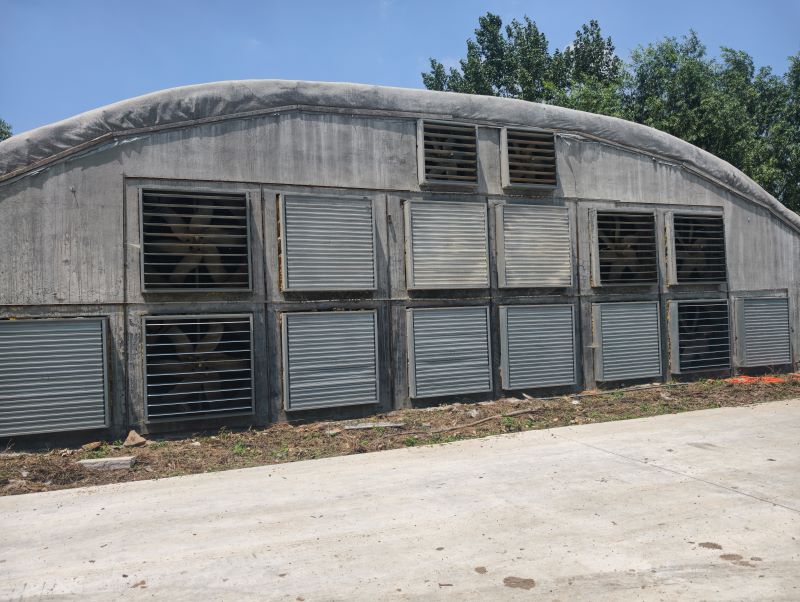
Poultry Fan Noise Suddenly Increases? 3-Step Troubleshooting Guide
A sudden increase in poultry fan noise can indicate problems with blades, bearings, motors, or mounting components. This article provides a three-step inspection method covering fan blades, moving components, and installation structures. Regular cleaning and maintenance can help identify abnormal vibration and mechanical problems early. Safe power isolation is essential before inspection, while electrical and…
-
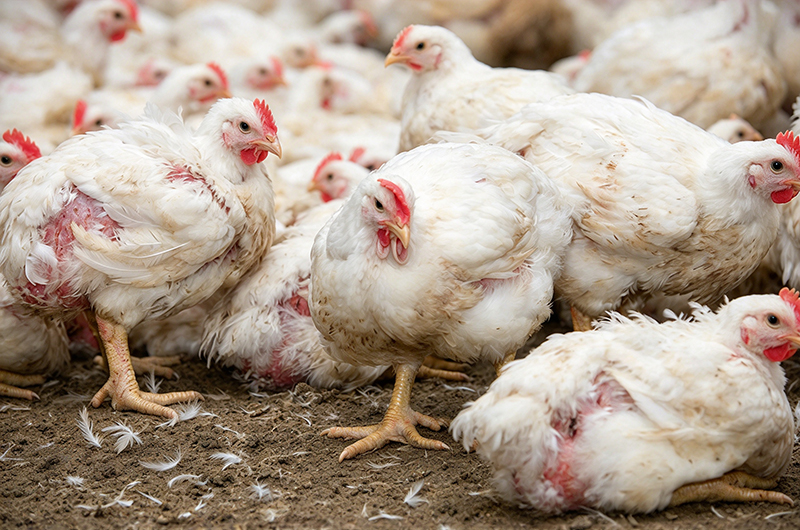
How Growth-Based Feeding Helps Reduce Feed Waste in Broiler Farming
Matching feeding programs to broiler growth stages can help improve feed utilization and reduce avoidable waste. By adjusting diets according to changing nutritional requirements, monitoring body weight and feed intake, and maintaining properly adjusted automatic feeding equipment, poultry farmers can support efficient production. Actual results depend on feed quality, flock health, housing conditions, and daily…
-
How Phase Feeding Affects Feed Conversion Ratio in Broiler Chickens
Feed conversion ratio (FCR) is a key measure of broiler production efficiency. Phase feeding adjusts dietary nutrient levels to match the changing needs of chickens as they grow. When supported by consistent feed delivery and effective flock management, it can help improve nutrient utilization. However, the actual impact on FCR depends on feed formulation, bird…
Product Categories
Subscribe To Product News
Leave your email address and receive our latest product updates