Your cart is currently empty!
+86 15863276370

Broiler chickens grow rapidly, and their nutritional requirements change throughout the production cycle. Matching feed formulation and feeding management to the birds’ growth stage can help farms use feed more efficiently while supporting healthy development. The goal is not simply to provide less feed, but to supply appropriate nutrients and reduce avoidable losses.
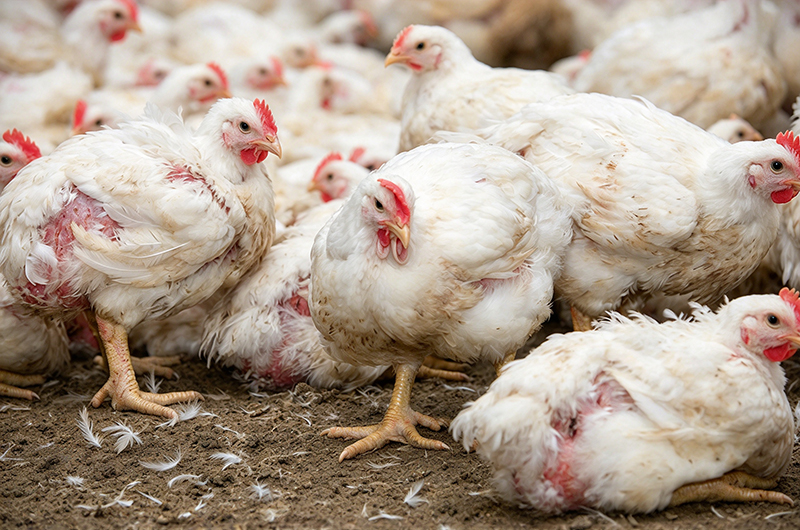
During early growth, broilers need diets formulated to support tissue development and efficient nutrient utilization. As birds become heavier, their energy, protein, and amino acid requirements change. Using suitable starter, grower, and finisher diets helps align nutrient supply with these changing needs. Feed programs should also consider genetics, target market weight, health status, and local production conditions.
Growth records provide a practical basis for adjusting a feeding program. By tracking body weight, feed intake, and flock uniformity, farm operators can identify whether birds are developing as expected. Unexpected changes may indicate problems with feed quality, water supply, temperature, disease, or feeder access. Adjustments should be based on these observations and professional nutrition guidance rather than growth targets alone.
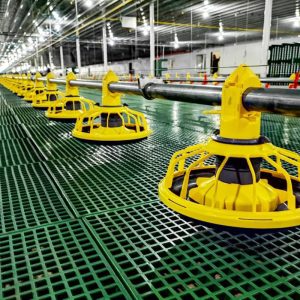
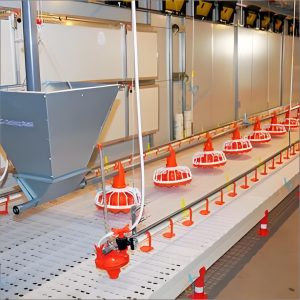
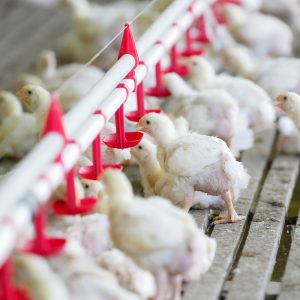
Feed waste also occurs when equipment is poorly adjusted. Feeders set too high or too low, excessive feed levels, damaged components, and uneven distribution can cause spillage. Regularly checking feeder height and feed flow helps limit these losses. Automatic feeding systems can support consistent feed delivery, but they still require correct setup, routine inspection, and maintenance.
Growth-based feeding works best as part of an integrated management approach. Matching diets to bird development, monitoring performance, and maintaining feeding equipment can help reduce avoidable waste without compromising bird welfare or growth. Each farm should evaluate feed intake, weight gain, and feed conversion ratio over successive production cycles to determine which adjustments deliver measurable improvements.
Share this:
Other Posts
-
Indonesia, Vietnam, the Philippines: Opportunities and Entry Strategies for Floor Rearing Equipment in Southeast Asia’s Three Key Markets
Southeast Asia’s poultry sector is shifting from backyard farming to commercial production, creating strong demand for floor rearing equipment. Indonesia, Vietnam, and the Philippines represent the region’s most promising markets. Indonesia has the largest broiler population but faces fragmentation. Success requires affordable semi‑automated systems and local after‑sales support. Vietnam’s market is more structured, with growing…
-
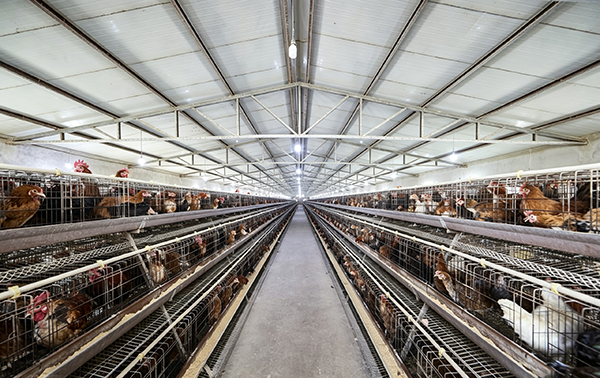
Mold Prevention in Poultry Feeding: How Feed Quality Management Can Reduce Health Risks and Operating Costs
Feed quality is closely related to poultry health and farm management costs. Poor storage conditions can increase moisture and mold risk, potentially affecting feed quality and flock performance. A preventive feeding strategy can help reduce avoidable losses, although the actual economic impact depends on farm conditions and disease management.
-
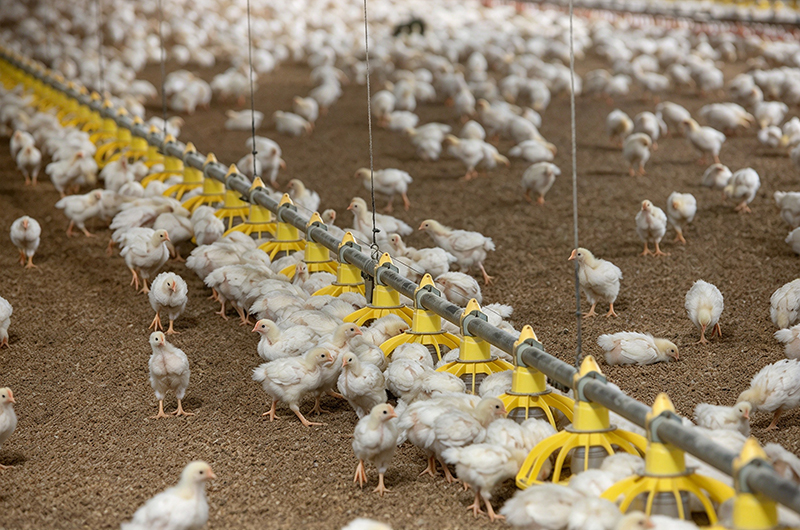
From Backyard to Commercial Broiler Farming in Southeast Asia: Key Equipment Needs for Floor-Raised Systems
As broiler production becomes more commercialized in parts of Southeast Asia, poultry farmers increasingly need equipment that supports consistent feeding, reliable ventilation, and efficient daily management. However, investment priorities vary with farm size, local climate, labor availability, and technical capacity.
-
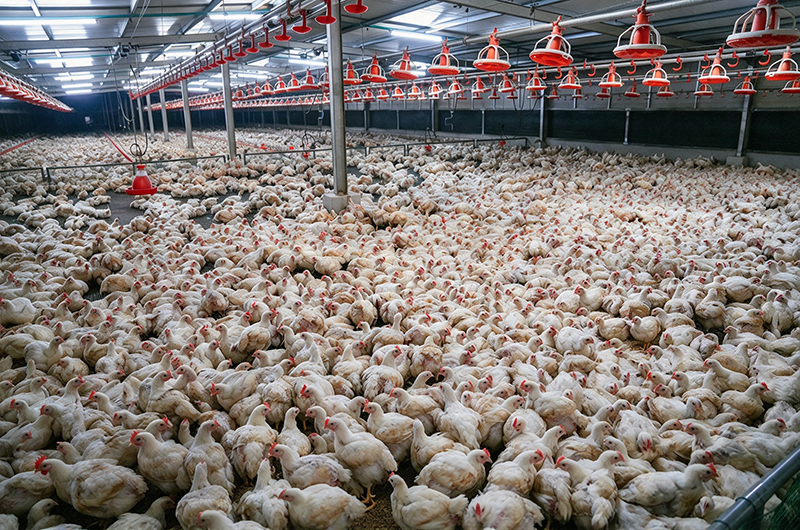
How Phase Feeding Affects Feed Conversion Ratio in Broiler Chickens
Feed conversion ratio (FCR) is a key measure of broiler production efficiency. Phase feeding adjusts dietary nutrient levels to match the changing needs of chickens as they grow. When supported by consistent feed delivery and effective flock management, it can help improve nutrient utilization. However, the actual impact on FCR depends on feed formulation, bird…
Product Categories
Subscribe To Product News
Leave your email address and receive our latest product updates