Your cart is currently empty!
+86 15863276370

Feed quality is an important factor in broiler health and production performance. When feed is exposed to excessive moisture, high temperatures, or unsuitable storage conditions, its nutritional quality may deteriorate. Mold growth and mycotoxin contamination can also become concerns, potentially affecting intestinal function and nutrient absorption.
Maintaining feed freshness starts with proper storage and handling. Feed should be kept in a clean, dry environment, protected from pests and moisture. Regular inventory rotation helps prevent prolonged storage, while routine inspections of silos, conveying pipes, and feeders can identify residual feed, blockages, or moisture accumulation.
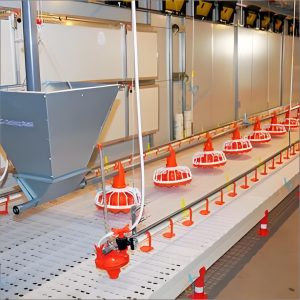
Automatic feeding systems help deliver feed throughout the poultry house, but equipment alone cannot guarantee feed quality. Proper storage, regular cleaning, and timely maintenance remain essential. Intestinal problems can also be associated with pathogens, water quality, nutrition, and environmental stress, so abnormal signs should be assessed comprehensively.
Good feed management is therefore not simply about keeping feed fresh. It involves protecting feed quality from storage to delivery and monitoring flock performance throughout the production cycle.
Share this:
Other Posts
-
Semi-Automatic vs. Fully Automatic Poultry Farming Systems: ROI Comparison and Investment Guide
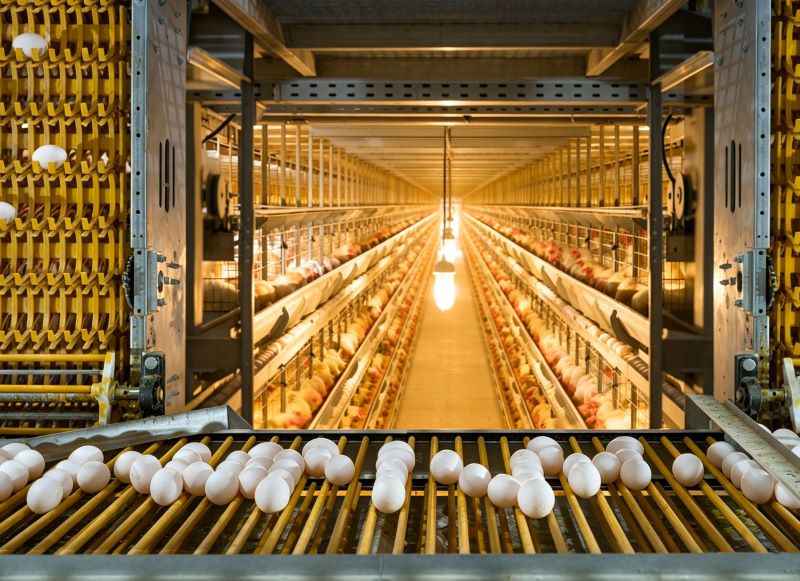
Choosing between a semi-automatic and fully automatic poultry farming system is an important investment decision. The right solution depends not only on equipment cost, but also on farm capacity, labor availability, management requirements, and long-term operating expenses.
-
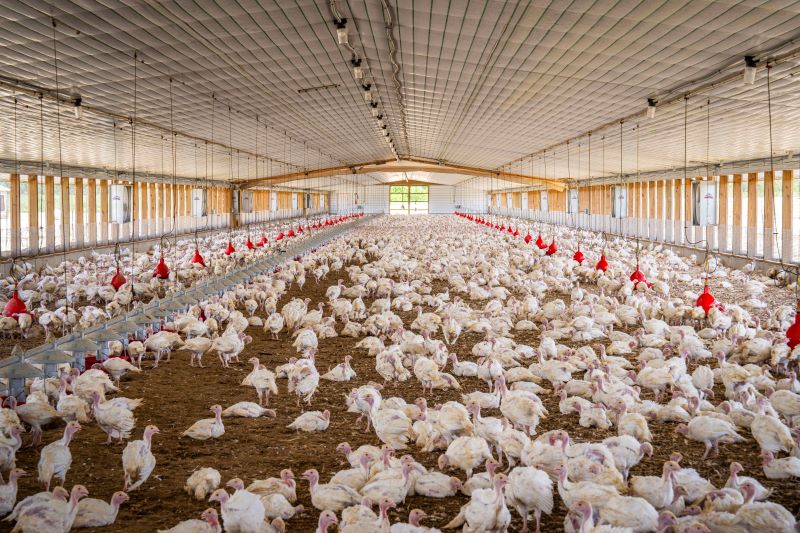
Comparative Cost Efficiency Model of Poultry Farm Labor Savings: Europe vs Middle East Market Analysis
Labor cost structure is one of the most critical variables influencing investment decisions in commercial poultry production systems. This study presents a comparative cost efficiency model for a 10,000-broiler farm, focusing on labor savings potential and automation adoption differences between Europe and the Middle East. In European poultry markets, labor costs are relatively high due…
-
Poultry Farming Equipment Industry Ushers in Intelligent Upgrade Wave, Market Size Expected to Exceed 20 Billion Yuan in 2025
With the deep application of technologies such as the Internet of Things and artificial intelligence, the poultry farming equipment industry is undergoing an unprecedented intelligent transformation. According to the latest market data, China’s poultry farming equipment market size is expected to exceed 20 billion yuan in 2025, with a compound annual growth rate of 12.26%.…
-
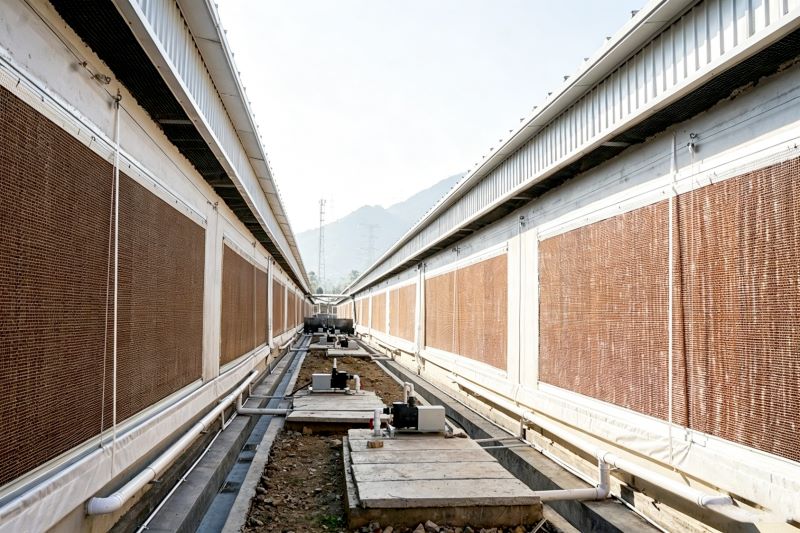
Synergistic Optimization of Cooling Pad Expansion and Water Quality Management: Strategies for Improving Evaporative Cooling Efficiency in Hot and Humid Regions
In tunnel-ventilated poultry houses, evaporative cooling pad performance directly impacts bird welfare and productivity during summer. Two critical factors determine system effectiveness: proper pad sizing and water quality management. Pad Sizing Principles Pad area should be determined by total tunnel fan capacity, not house dimensions. Industry standard recommends one square foot of six-inch pad for…
Product Categories
Subscribe To Product News
Leave your email address and receive our latest product updates