Your cart is currently empty!
+86 15863276370

Heat stress in poultry is closely linked to temperature-humidity index (THI). A THI-based early warning model enables farms to act before birds suffer.
The model defines four risk levels: THI < 74 (safe), 74–78 (caution), 79–83 (danger), and > 83 (emergency). Each threshold triggers specific actions—from increasing ventilation to activating cooling pads and adjusting feed schedules.
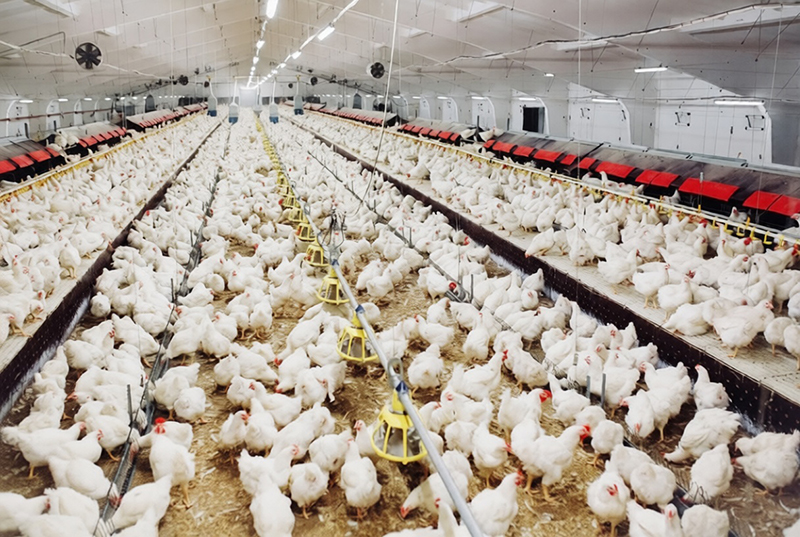
Field application on 20,000-bird houses showed that using graded alerts reduced heat-related mortality by 25–30% and improved feed intake during hot spells. The system integrates with standard environmental controllers and requires only temperature and humidity sensors.
This practical, low-cost tool turns climate data into actionable farm decisions, making it valuable for tropical and subtropical regions.
Share this:
Other Posts
-
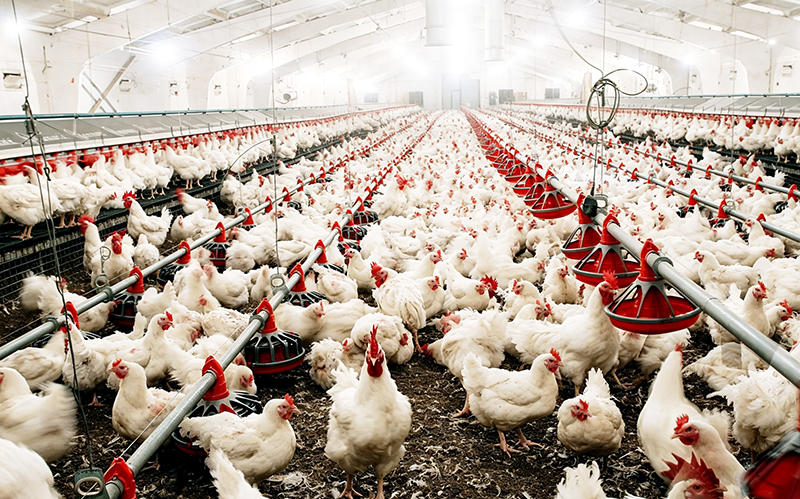
Flock Uniformity and Group Management in Poultry Farms: Improving Heat Distribution and Environmental Control
Flock uniformity is an important factor in poultry house management. Significant differences in body weight can create uneven feeding requirements and differences in individual heat production. Grouping birds by size or production stage can help farmers manage these variations and improve environmental control, although the actual effect depends on flock density, climate, ventilation, and management…
-
Equipment-as-a-Service: Feasibility and Market Acceptance in Automated Poultry Farming
Equipment-as-a-Service (EaaS) is emerging as an innovative procurement model in the livestock industry, particularly in automated poultry farming. Instead of large upfront investments, farmers can access advanced equipment such as feeding systems, ventilation units, and water supply systems through subscription-based or pay-per-use models. This approach significantly reduces financial pressure and allows small and medium-sized farms…
-
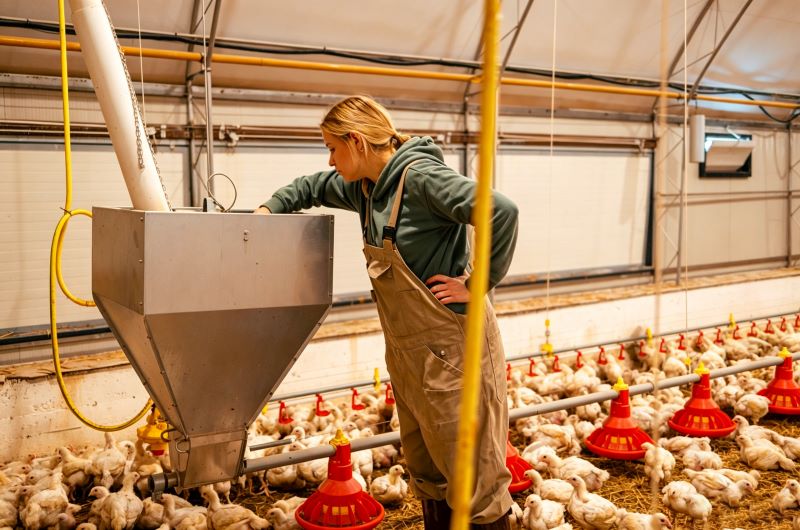
Automatic Poultry Feed Line Blocking Problems: 6 Common Causes and Troubleshooting Solutions
Automatic feeding systems are widely used in modern poultry farms to improve feeding efficiency and reduce labor dependency. However, feed line blockage can interrupt feeding operations and affect farm productivity. This article analyzes six common causes of automatic poultry feed line blockage, including feed quality issues, material accumulation, mechanical component wear, improper installation, electrical problems,…
-
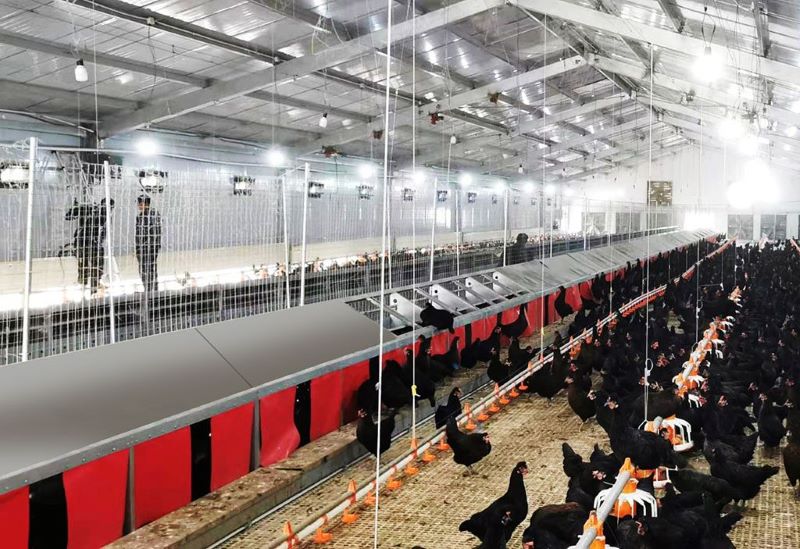
Reducing Floor Egg Rate in Poultry Farming: Nest Box Selection and Management Strategy for Performance Optimization
Floor egg rate is an important performance indicator in layer poultry production, directly affecting egg collection efficiency, hygiene control, and overall farm profitability. In commercial operations, reducing floor eggs from 8% to 2% requires both proper nest box selection and systematic management strategies. Nest box design is the first critical factor. Appropriate size, entrance height,…
Product Categories
Subscribe To Product News
Leave your email address and receive our latest product updates