Your cart is currently empty!
+86 15863276370

El Niño events alter temperature and humidity patterns, affecting energy use in poultry houses. In temperate zones, unexpected cold spells increase heating demand, raising carbon emissions. Subtropical farms face longer hot periods, intensifying ventilation and cooling pad operation, which spikes electricity consumption. Tropical regions experience extreme humidity, forcing fans and dehumidifiers to run longer.
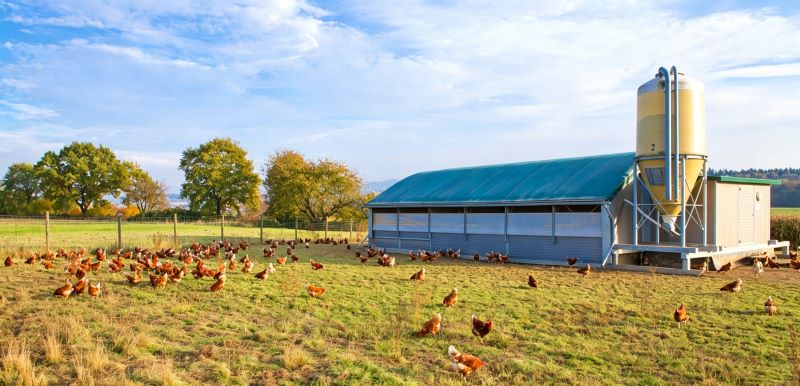
These shifts increase the carbon footprint by 15–30% during El Niño years compared to neutral years. To mitigate this, energy‑efficient climate control systems—such as variable‑speed fans and solar‑assisted cooling—can reduce grid dependency. Installing photovoltaic panels and biogas recovery from manure further lowers net emissions. Adaptive management, including real‑time energy monitoring and predictive control, helps farms maintain low carbon intensity despite climate variability.
Share this:
Other Posts
-
Reducing Floor Egg Rate in Poultry Farming: Nest Box Selection and Management Strategy for Performance Optimization
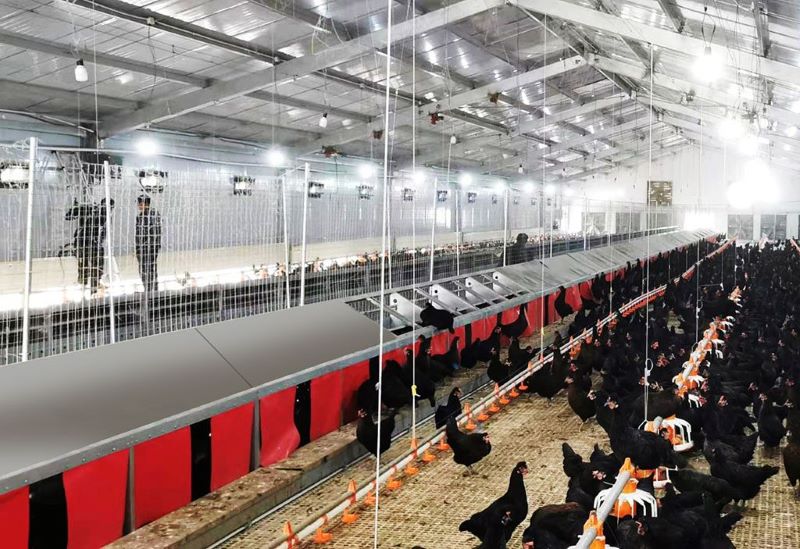
Floor egg rate is an important performance indicator in layer poultry production, directly affecting egg collection efficiency, hygiene control, and overall farm profitability. In commercial operations, reducing floor eggs from 8% to 2% requires both proper nest box selection and systematic management strategies. Nest box design is the first critical factor. Appropriate size, entrance height,…
-
Manual Feeding vs Precision Feeding Systems in Poultry Farming: Efficiency, Cost, and Feed Conversion Comparison
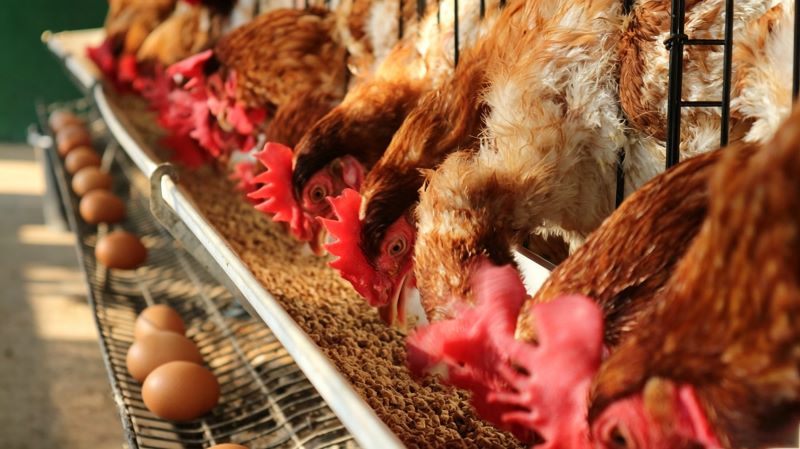
Feed management is one of the most critical factors affecting productivity and cost efficiency in poultry farming. Traditionally, manual feeding has been widely used due to its simplicity and low initial investment. However, with the development of automation technology, precision feeding systems are increasingly replacing manual operations in modern poultry houses. Manual feeding relies heavily…
-
Prevent Mold, Protect Health: How Automated Feeding Reduces Gut Disease and Veterinary Costs
Manual feeding often exposes feed to moisture, leading to mold growth and mycotoxins that damage gut health. Automated feeding systems paired with sealed silos keep feed dry and fresh from storage to delivery. This reduces the risk of intestinal diseases like necrotic enteritis, lowering mortality and veterinary expenses. For a 10,000-bird house, annual savings on…
-
Seasonal Stocking Density Management in Poultry Farming: Dynamic Matching of Bird Density and Heat Load Under Different Temperature Conditions
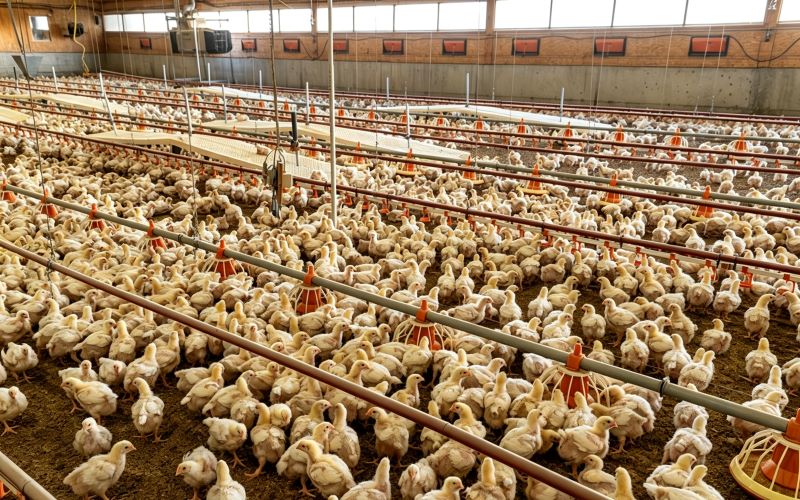
Stocking density is a critical management factor affecting animal welfare, environmental control efficiency, and production performance in commercial poultry farming. During seasonal temperature changes, maintaining the appropriate bird density becomes increasingly important because heat production from flocks directly influences the internal climate of poultry houses. A seasonal stocking density adjustment model evaluates the relationship between…
Product Categories
Subscribe To Product News
Leave your email address and receive our latest product updates