Your cart is currently empty!
+86 15863276370

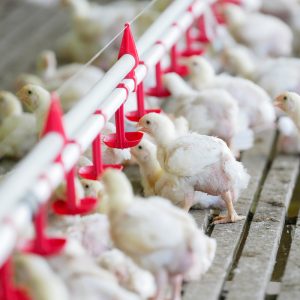
Birds of different body sizes do not necessarily have the same feed intake, metabolic activity, or heat production. When large variations in body weight occur within the same group, the distribution of heat and resource demand across the poultry house can become less uniform.
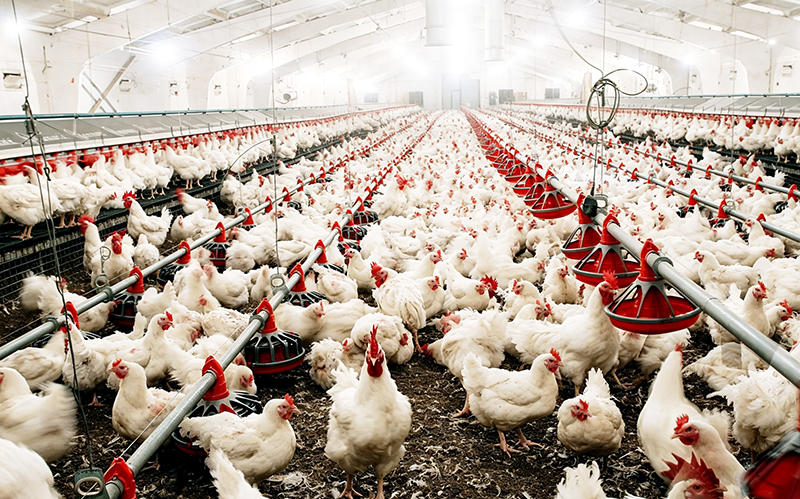
Flock grouping and uniformity management provide a practical way to address this variation. By separating birds according to body weight, age, production stage, or management requirements, farmers can create more consistent groups and adjust feeding, stocking, and environmental settings accordingly.
Better flock uniformity can also make ventilation management more predictable. Heat and moisture generated by birds must be removed through an appropriate air exchange system. When bird distribution and stocking conditions are more consistent, airflow planning and environmental monitoring can become easier to manage.
However, grouping should not be considered a standalone method for controlling heat stress. Poultry house temperature, relative humidity, ventilation rate, air velocity, stocking density, and bird health all influence thermal conditions.
A practical management strategy is to regularly monitor body weight, flock uniformity, feed intake, temperature, humidity, and ventilation performance. These data can help identify areas where management adjustments are needed.
For commercial poultry farms, combining flock uniformity monitoring with appropriate feeding equipment, ventilation systems, and environmental controls can support more stable flock management and more consistent house conditions.
Share this:
Other Posts
-
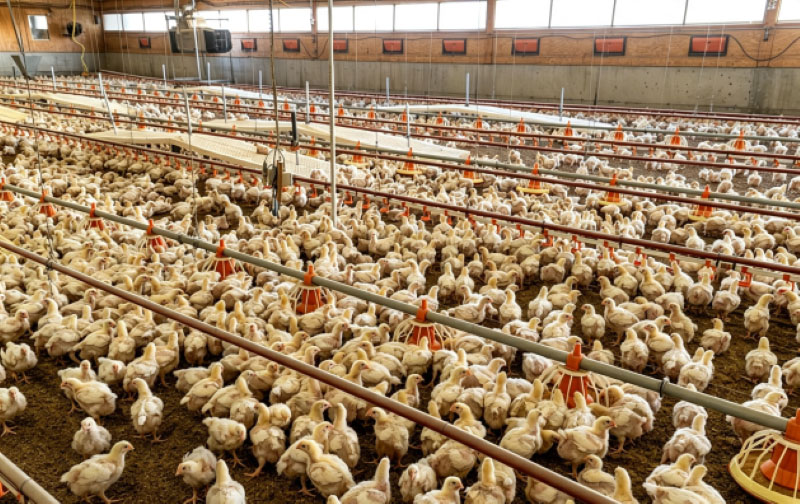
El Niño-Based Feed Storage Strategies for Poultry Farms: Preventing Mold Risk Through Climate-Adaptive Management
El Niño-related climate variations may create additional challenges for poultry feed storage, especially in humid regions where mold risk can increase. This article discusses climate-adaptive strategies including sealed feed silos, moisture control methods, and phased feed purchasing plans. By combining suitable storage equipment with scientific management practices, poultry farms can improve feed quality stability and…
-
Linking Payback Period to Feed Savings: A Model for Automated Feeding Systems
The payback period of automated feeding systems directly correlates with feed savings achieved. A simple model expresses payback (months) = equipment cost / (annual feed saving × feed price). For a 10,000-bird house, automated feeders typically cut waste by 5–10%, saving 6–12 tons of feed yearly. At $450/ton, that equals $2,700–$5,400 annual saving. With equipment…
-
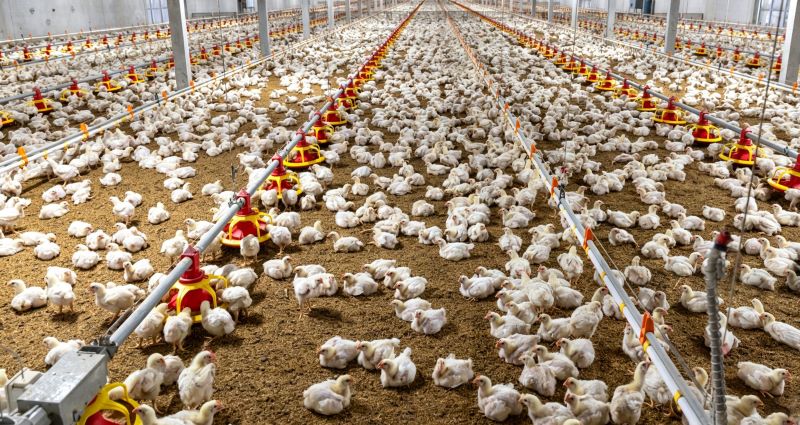
Feed Loss and Quality Degradation in Poultry Farming: A Comparative Analysis of Manual Feeding vs Automated Feeding Systems
Feed loss and quality degradation are key challenges affecting efficiency in poultry production. This article compares manual and automated feeding systems in terms of feed spillage and deterioration risks. Manual feeding is often associated with uneven distribution, higher spillage rates, and increased exposure to environmental factors that may affect feed quality. Automated systems improve feeding…
-
Equipment-as-a-Service: Feasibility and Market Acceptance in Automated Poultry Farming
Equipment-as-a-Service (EaaS) is emerging as an innovative procurement model in the livestock industry, particularly in automated poultry farming. Instead of large upfront investments, farmers can access advanced equipment such as feeding systems, ventilation units, and water supply systems through subscription-based or pay-per-use models. This approach significantly reduces financial pressure and allows small and medium-sized farms…
Product Categories
Subscribe To Product News
Leave your email address and receive our latest product updates